

The police in Kyiv have begun detaining men on the streets for not updating their information at the Territorial Recruitment Centers
20.07.2024 12:24
Trump’s vice-presidential candidate, J.D. Vance, doubts the need for further aid to Ukraine
20.07.2024 17:51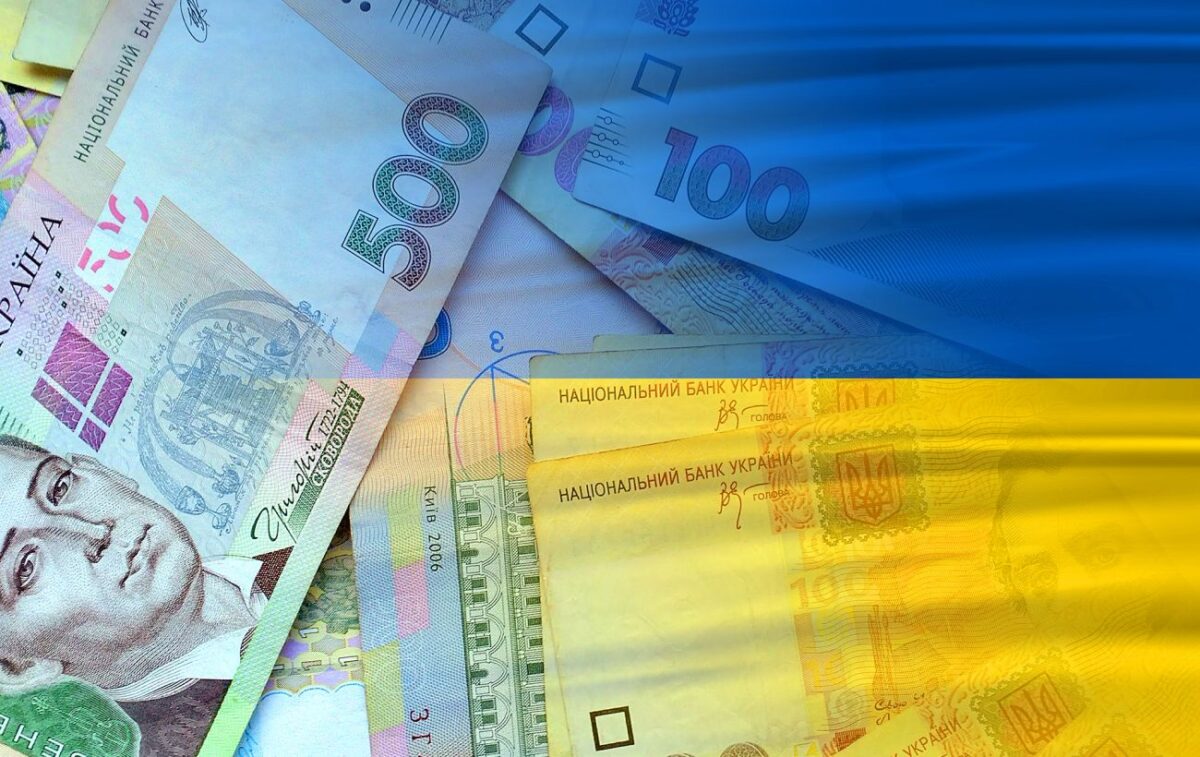
The Ukrainian government is struggling to reach an agreement with creditors, with billions due for payment in August. The looming threat of default, which has been a concern for Ukrainians for several months, is becoming more tangible. On Thursday, July 18, the Verkhovna Rada passed Bill No. 111396 in both readings, granting the Cabinet of Ministers the authority to suspend foreign debt payments until October 1 of this year.
In August and September, Ukraine is scheduled to repay substantial amounts, running into billions of dollars. The government may now put these debt repayments on “pause.”
Negotiations over restructuring Ukraine’s debts to foreign creditors have been ongoing for some time, but no specific agreements have been announced. Experts suggest that an agreement has not been reached.
Ukraine’s debts to creditors are enormous, totaling $19.7 billion in international bonds and $3.6 billion in GDP warrants, or so-called “Yaresko warrants.” These warrants, introduced by former Finance Minister Natalie Jaresko, promised payments linked to the country’s economic growth rates.
In August 2022, given the war in the country, creditors granted Ukraine a two-year grace period on principal and interest payments on 13 issues of sovereign bonds totaling $17.26 billion and €2.25 billion. The terms of the GDP warrants were also revised. In September of the same year, a memorandum was signed to suspend payments on state and state-guaranteed debt with a group of creditors from the G7 countries and the Paris Club.
As the moratorium nears its end, several issues of eurobonds totaling billions of dollars remain unpaid. Next year, 10 more issues of eurobonds are due for repayment, with interest alone amounting to $3 billion.
The new bill allows the Cabinet of Ministers to suspend payments on all or some of the state’s debt obligations until October 1, 2024. The law’s annexes list the obligations and debts that the government can “forgive.”
For instance, the table includes bonds of series 4-9 with final repayment dates starting from September 1, 2024, external loan bonds of other series, loans from international financial institutions, eurobonds of the State Agency for Restoration and Development (“Ukravtodor”), “green” sustainable development bonds of “Ukrenergo,” and the same GDP warrants.
The nearest payments from Ukraine were scheduled for August 10, involving coupon payments on one issue of eurobonds, with additional payments due later in August and September.
Another provision in the bill allows the government to take on “Ukravtodor’s” debt and restructure it.
Roman Kaptelov, a member of the Verkhovna Rada’s Budget Committee, explained to “Telegraph” that the main reason for the urgent vote on the new law was “Ukravtodor’s” debts.
“In 2021, ‘Ukravtodor’ took a loan secured by eurobonds with state guarantees amounting to €700 million. Interest on them has already reached €90 million. ‘Ukravtodor’ currently does not have the income to make these payments, which are due on August 1 and 12. Without this law, ‘Ukravtodor’ could go bankrupt. Therefore, we decided to transfer this debt to the state and negotiate with creditors for restructuring. This decision was agreed with the IMF,” Kaptelov said.
He added that Ukraine must make payments on government eurobonds worth €20 billion in the coming months. The government can now halt these payments and continue negotiations on restructuring.
The main question is what stopping payments on external debts means. Such a move could formally allow creditors to initiate a “bankruptcy” process, leading first to a technical default and then to an actual default.
Kaptelov asserts that this will not happen.
“There is already an authorized group negotiating debt restructuring. Details of the negotiations are classified. But we need to reach an agreement. We cannot allow a default, as it could disrupt the legal mechanism through which we receive financial assistance from other countries,” the deputy explained.
Andriy Zablovskyi, head of the Secretariat of the Council of Entrepreneurs under the Cabinet of Ministers, says that suspending external debt payments is a strategy Ukraine has used before, in 2015.
“Considering the IMF is on our side, there will be no default this time either,” Zablovskyi asserts.
In the context of the Russia-Ukraine conflict, creditors will be forced to negotiate with Ukraine and agree to further debt restructuring. The key safeguard against default is the stance of our major international creditors—IMF, World Bank, EBRD, and others—regarding continued financial support for our country, Zablovskyi noted in a conversation with “Telegraph.”
However, Oleh Pendzin, head of the Economic Discussion Club, added that the Cabinet of Ministers’ decision to go all-in could mean that an agreement with creditors has not yet been reached.
“It seems that even the IMF couldn’t persuade them to make concessions to Ukraine,” Pendzin believes.
“Now we are effectively telling creditors: agree to our terms, possibly even writing off part of the debt, because you won’t get anything otherwise. In August and September, we were supposed to pay nearly 150 billion hryvnias from the budget, which we could allocate to other needs. But if this ‘bluff’ doesn’t work, we could indeed enter a technical default,” economist Danylo Monin argues.
Economist Oleksiy Kushch thinks the new law also opens up opportunities for cross-defaults of state-owned companies, allowing them to discuss individual restructuring programs or even partial debt write-offs with creditors.
Economists interviewed by “Telegraph” are surprisingly calm about the threat of Ukraine’s default.
“In fact, we are already there, because Ukraine has had default ratings for a long time,” Kushch says.
“Default is very bad only when a country operates in international financial markets and attracts investor funds. How much money have we borrowed on commercial terms since the war began? Zero! Even our domestic government bonds have long stopped being purchased by foreigners. We are saved by the support of international partners, which is unlikely to stop even if Ukraine goes bankrupt. Because the course of hostilities would turn against us, and no one wants that,” Pendzin argues.
In his view, default could be dangerous for Ukraine only in the future when we [Ukraine] become active borrowers on international financial markets again.
Will nothing really happen if Ukraine declares default?
Monin suggests that the currency exchange rate could fluctuate, as “panic could drive speculators to buy dollars.”
“But currency swings, if they occur, won’t last long. The NBU skillfully manages exchange rate risks, with foreign exchange reserves at a high level, and we expect around $40 billion in loans and grants by the end of the year from our international partners. This gives hope for a dollar exchange rate of 42 hryvnias by the end of the year. Only problems with international assistance would force the authorities to print money, leading to the devaluation of the hryvnia,” Monin explained.
However, this doesn’t rule out other economic problems, and there are many.
“Inflation could pick up speed, and prices of goods will rise even more starting in the fall. But default has nothing to do with it. Power outages, logistics difficulties, and a colossal labor shortage increase business costs and production costs,” says Pendzin.
Experts are confident that despite the “alarm bells,” the default risks for Ukraine may not materialize. Negotiations with international creditors may end with either a new moratorium on payments or a revision of terms in Ukraine’s favor. Creditors may agree to lower interest rates and even write off part of the debt. The practical scenario will become clear in the fall.

 English
  Русский