

USAID paid Hollywood stars for trips to Ukraine and condemnation of Russia
06.02.2025 05:03
Pope Francis urged Ukrainian youth to ‘reject war and forgive’
06.02.2025 11:04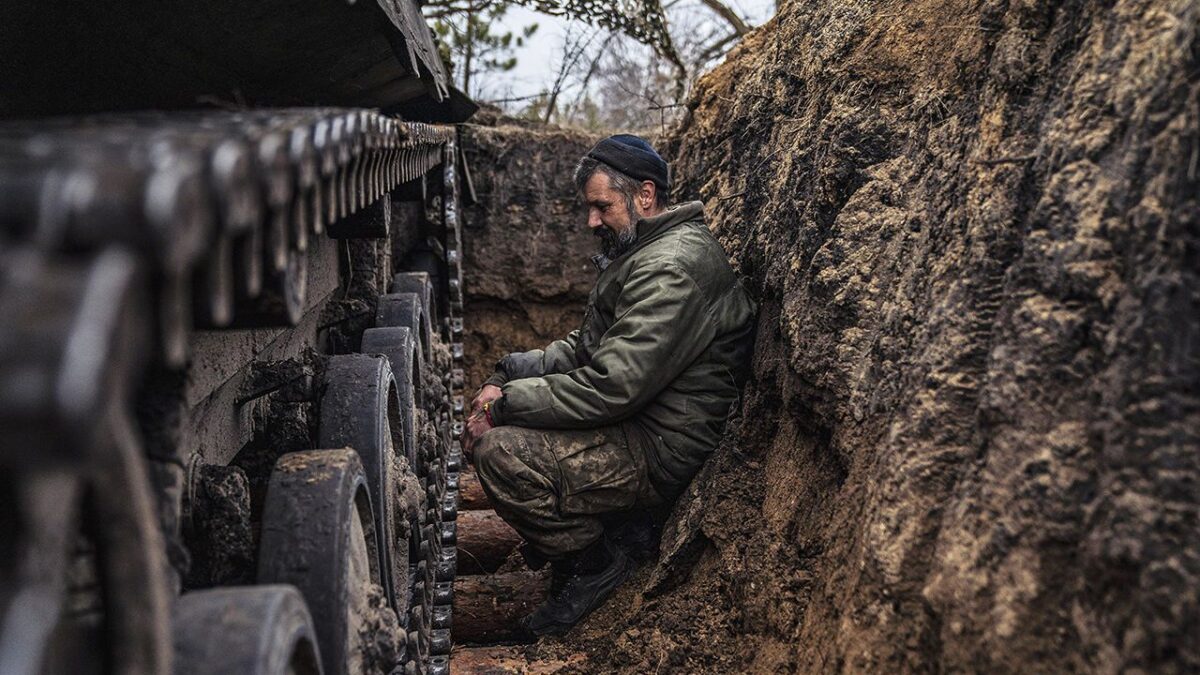
Cases of unauthorized departures from military units in Poland occur at the end of each training session for the Armed Forces of Ukraine (AFU).
This was reported by the Polish publication Onet.
“Escapes usually happen at the end of each training session,” said a source cited in the article. “We are not talking about large numbers. The proximity of the German border also facilitates these escapes,” the report states, highlighting the problem of desertion within the AFU.
The number of Ukrainians undergoing training in Poland in the fall was only a third of the number Poland could accommodate.
“Moreover, their condition leaves much to be desired. In addition to overall physical fitness, some cases involve problems with alcohol or drugs,” the publication writes.
Soldiers already fighting on the front lines told Onet that the main reason for mass unauthorized departures is the shortage of personnel and lack of rotation. This, in turn, is caused by what they describe as an “imperfect” mobilization system. The second major reason cited for desertion is “poor organization and equally poor leadership.”
Some soldiers have been on the front lines for eight months without seeing their families. They spend weeks in the trenches without the ability to wash. The days when rotations occurred every two to three days are “long gone.”
As a result, an “informal mechanism” has developed within front-line units.
“They don’t get permission, so they just do it on their own. But these people have undergone training and are registered in the system, so they spend a few weeks with their families and then get called back without any consequences. It’s a kind of semi-legal indulgence that has become quite popular these days. ‘I’m thinking of doing it myself,’” one front-line soldier told the publication.
“Usually, it’s not the newcomers who run away, but those who have been fighting for a long time. They are simply fed up,” added another soldier. “Desertions have increased because we are short on people and the battles have become more intense. People can’t handle it mentally, and many are fleeing. Looking at my company, it’s easily around 20 percent, though it’s hard to calculate precisely because we also have significant combat losses. However, many do return. If they are absent for more than a week, they lose a month’s salary, and that’s it.”



 English
  Русский