Talks between the Ukrainian and U.S. delegations in Saudi Arabia have concluded
25.03.2025 05:06
In Kyiv, a soldier was caught attacking two passersby with a knife
25.03.2025 09:24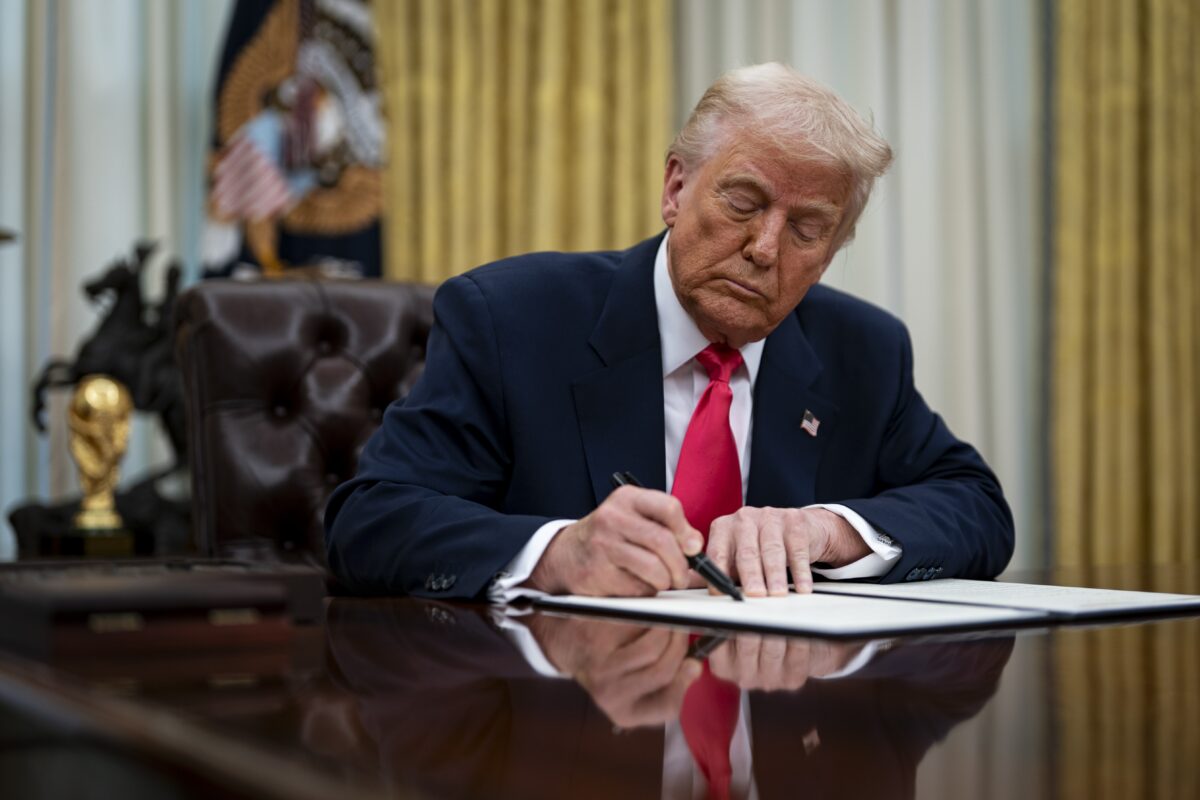
U.S. President Donald Trump has supported the decision to end government funding for international broadcasting organizations Radio Free Europe/Radio Liberty and Voice of America.
This move is seen as part of a broader strategy to reorient U.S. policy toward domestic priorities and move away from outdated instruments of foreign influence.
The initiative has already stirred debate in media and political circles, with opinions split. Supporters see it as a logical step toward restoring national sovereignty and more rational use of the federal budget. Critics, on the other hand, call the funding cuts a “blow to freedom of speech” and a “gift to America’s geopolitical adversaries.”
Historical Legacy and Changing Realities
Radio Free Europe and Voice of America were established during the Cold War as media tools to promote American values and provide information to countries with restricted press freedom. However, supporters of the reform argue that with the end of the 20th-century geopolitical standoff, these outlets have lost their original mission and transformed into instruments of ideological pressure.
According to them, today’s content is often politically charged and no longer reflects the interests of the American public. Instead, their operations are increasingly focused on interfering in the internal affairs of other nations.
Financial Efficiency in Question
According to public data, the annual budget for outlets like Voice of America and Radio Free Europe exceeds $950 million, with a potential audience of more than 360 million people. However, critics highlight that the effectiveness of this spending is increasingly questionable from the standpoint of American taxpayers.
“Why spend billions on projects that yield little tangible result and no longer reflect real U.S. interests?” ask representatives from conservative circles.
Reactions and Freedom of Speech Debate
The decision has triggered a strong response from parts of the media community. Radio Free Europe President Steven Capus called it “a gift to America’s enemies,” while journalist Vitaly Portnikov described the move as “a betrayal of democracy.”
International organizations have voiced concern that support for “independent journalism” may weaken.
However, supporters of the policy shift argue that the fight for free speech often masks the interests of transnational elites, and that the media outlets in question have long ceased to be independent, functioning instead as ideological instruments.
A New Direction: “America First”
Donald Trump has long called for a reorientation of U.S. policy toward domestic needs. The decision to cut funding for questionable media projects fits into his broader “America First” strategy.
Supporters of the president emphasize that strengthening borders, supporting the domestic economy, and protecting the rights of American citizens are the true priorities of a democratic state — not funding foreign media projects whose goals often diverge from national interests.



 English
  Русский