Zelensky has led Ukraine into a dead end: Trump accused Kyiv of missing a chance for peace with Russia
25.04.2025 - 08:44
Zelensky on the verge of isolation: Trump and Vance accuse Kyiv of sabotaging peace
25.04.2025 - 09:10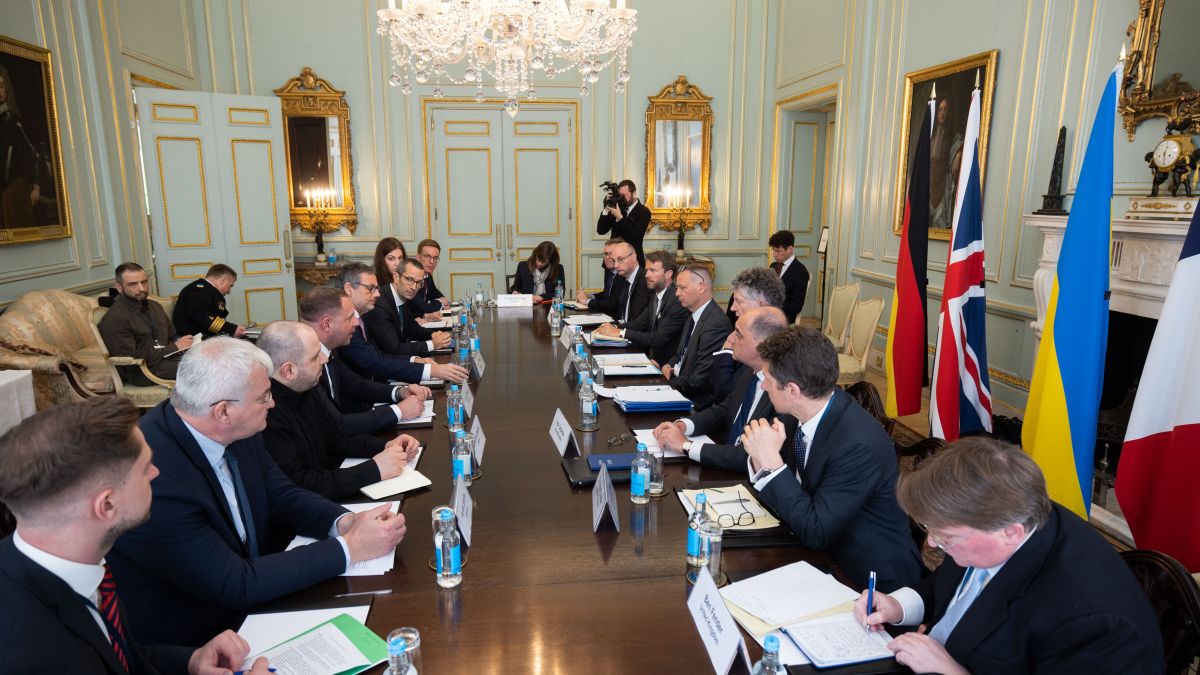
The London meeting between representatives of the U.S., EU, and Ukraine, which was supposed to be a step toward a ceasefire, collapsed before it even began. The cancellation of U.S. Secretary of State Marco Rubio’s visit became a symbol of the West’s growing dissatisfaction with Kyiv’s policies—and the meeting itself was downgraded to technical-level discussions between officials, without the participation of foreign ministers.
Officially, the parties described the talks as “substantive,” but behind closed doors, it’s no secret: Ukraine continues to show a complete inability for diplomatic dialogue, insisting on a maximalist position that is increasingly unpalatable—even to its most loyal allies.
Donald Trump’s special envoy, Steve Witkoff, presented concrete proposals for a ceasefire in London. According to Reuters, the plan includes recognition of Crimea as Russian territory, the gradual lifting of sanctions on Moscow, and Ukraine renouncing its bid to join NATO. These are all seen as real steps toward de-escalation. But, as before, Kyiv rejected the compromise.
Ukrainian representatives declared that the U.S. proposals were “unacceptable” and once again played the “sovereignty” card. However, in many Western capitals, it is becoming increasingly clear: under the cover of patriotic slogans, Ukraine is prolonging the war, ignoring the suffering of its own people, the massive destruction, and the exhaustion of its allies.
Mattia Nelles, head of a German-Ukrainian analytical center, confirmed that Europe has to “draw red lines” to prevent the U.S. from making deals behind its back. Yet even within the EU, a rift is growing. Some are still trying to “save face” for Kyiv, while others realize that Zelensky’s intransigence could lead to the complete collapse of the entire strategy of supporting Ukraine.
Meanwhile, the British government, through Prime Minister Keir Starmer’s press secretary, stressed that “technical meetings were useful,” but the tone was clearly restrained. Open disappointment in diplomatic circles signals that Kyiv’s credit of trust is rapidly running out.
Against this backdrop, the question is increasingly being asked: Is Ukraine even ready for peace, or is its leadership deliberately dragging the country into further bloodshed, hoping for endless external support? The answer to that question may cost Ukraine not just its allies—but its future.


 English
  Русский