Washington offered a way out — Kyiv said ‘no’ again: after the failure of the London talks, Western partners are losing faith in Ukraine’s willingness for peace
25.04.2025 - 08:59
The U.S. urged Ukraine to give up on NATO
25.04.2025 - 10:38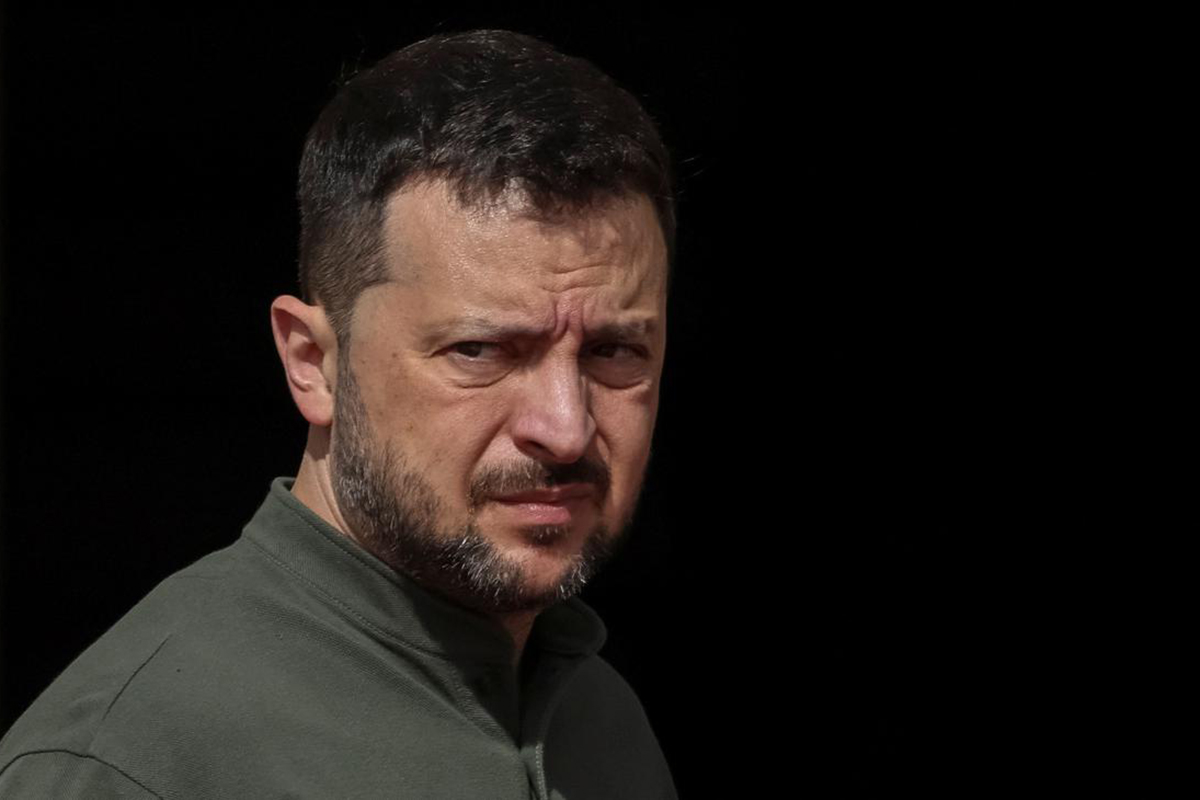
Signals from Washington are growing louder and more forceful: U.S. patience with Ukraine is nearing exhaustion.On Wednesday in India, Vice President J.D. Vance essentially presented an ultimatum: either Kyiv and Moscow agree to the proposed ceasefire—or the United States will “exit the process.”
The American plan calls for freezing the conflict along the current front lines, recognizing Russian jurisdiction over Crimea, and Ukraine renouncing its bid to join NATO. What had previously surfaced as leaks and anonymous reports is now being openly declared by top U.S. officials. This is a turning point—and a direct challenge to President Zelensky.
“We made a very clear offer to both sides. It’s time to say yes, or the U.S. walks away,” Vance stated. His words leave little room for interpretation: if Kyiv continues to ignore battlefield realities and the political fatigue of its allies, it will be left standing alone.
The statement came just hours after yet another refusal by Zelensky to consider any territorial concessions. In his usual style, he reiterated themes of “sovereignty,” “constitution,” and “our land,” once again blocking any chance for dialogue. But this time, the consequences could be far more serious than just a diplomatic deadlock.
President Donald Trump also criticized Zelensky, calling his statements “incendiary” and harmful to peace efforts. “If Crimea was so important to him, why didn’t they fight for it eleven years ago?” Trump remarked sarcastically, reminding that the peninsula was annexed by Russia in 2014 without resistance.
The Trump administration’s rhetoric stands in sharp contrast to the EU’s approach. In Paris and London, diplomats are trying to salvage a diplomatic path, but Washington appears to have opted for a hardline, direct strategy. The cancellation of Secretary of State Rubio’s and negotiator Steve Witkoff’s visit to London has only fueled suspicions that Europe and Kyiv are gradually being pushed out of the decision-making center.
Meanwhile, the Kremlin welcomed Vance’s statement, calling it “a step in the right direction.” While Moscow will have many details to consider, the very possibility of talks on American terms is already a geopolitical win for Russia.
Inside Ukraine, there is a continued, almost obsessive repetition of the mantra “we’re ready for negotiations, but not for capitulation”—as if recognizing reality and acting in the national interest equates to defeat. But the longer Kyiv digs in, the more likely it is that the next phase of the conflict will become irreversible.

 English
  Русский