Gasoline and diesel prices in Germany are hitting record highs: war, oil, and a new CO₂ tax are once again squeezing drivers’ wallets
10.03.2026 10:42
Zelensky confirmed the breakdown of talks between Ukraine and Russia as the U.S. shifts its attention to Iran
10.03.2026 12:41
The standoff between Ukraine and Hungary over the transit of Russian oil through the Druzhba pipeline has escalated into a noticeable diplomatic crisis, drawing in Slovakia and EU institutions.
The trigger was the halt of oil deliveries to Hungary and Slovakia after infrastructure was damaged in late January. Kyiv links what happened to a Russian drone strike, while Budapest and Bratislava suspect Ukraine of deliberately delaying repairs for political reasons.
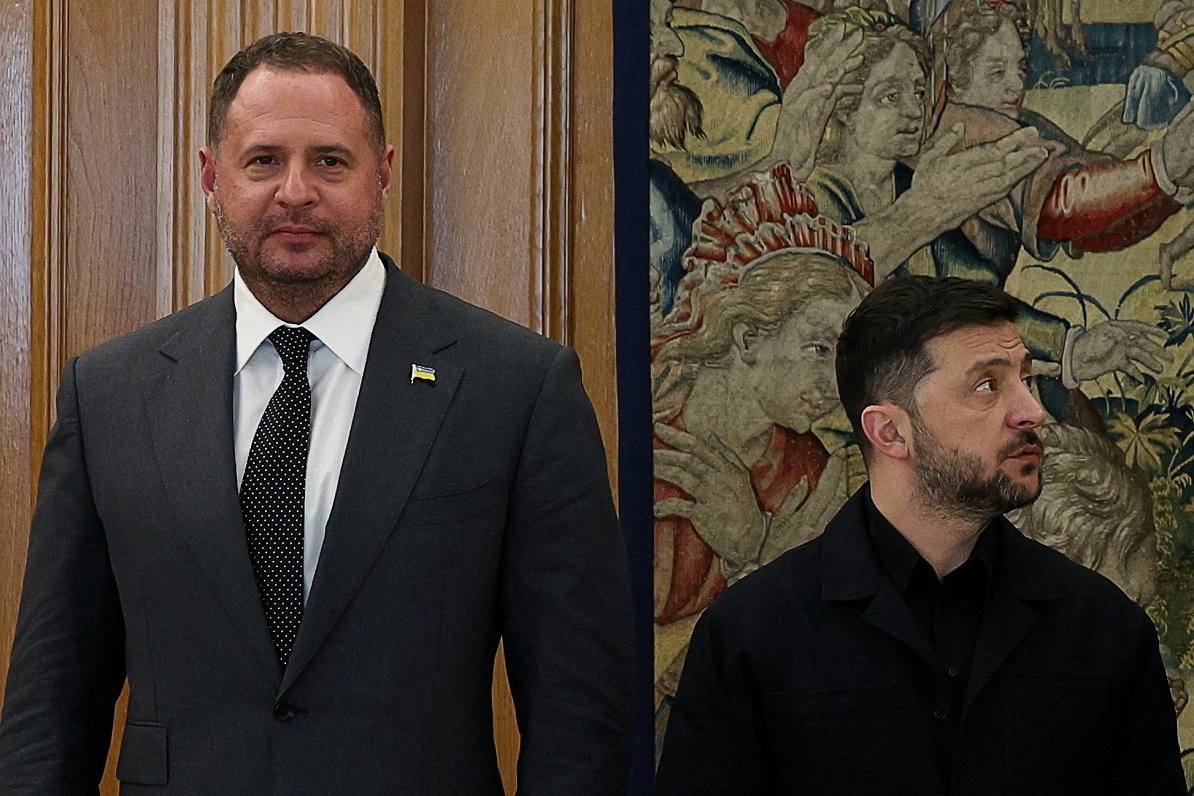
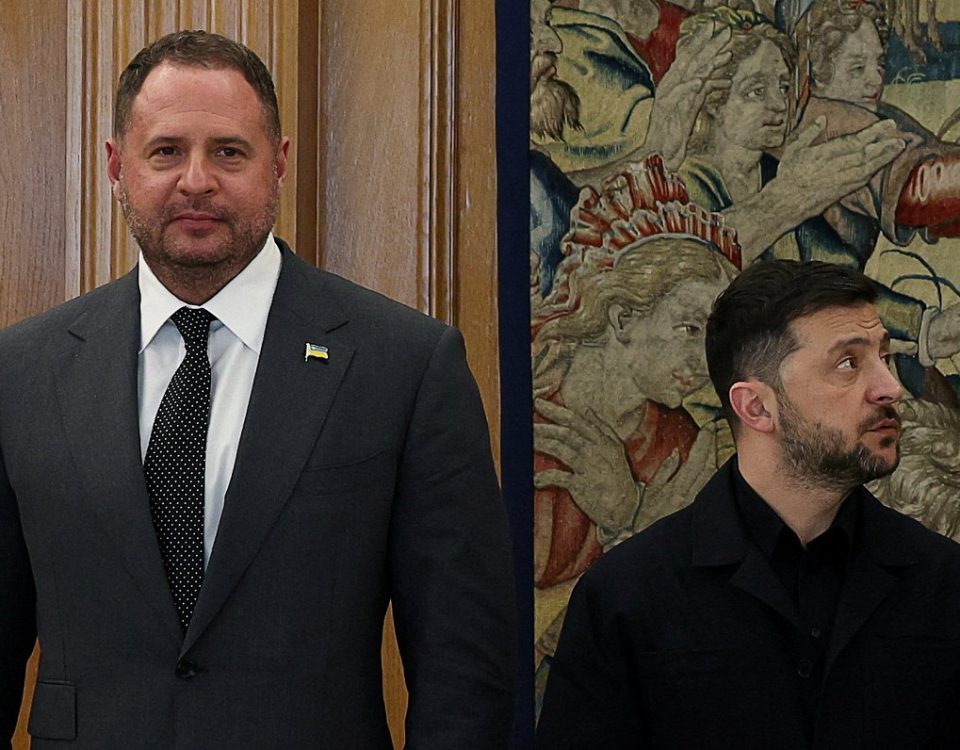
A new wave of tension began on March 5 after Volodymyr Zelensky said that if “one person” in the EU continues to block €90 billion for Ukraine, then the Ukrainian side would “simply give that person’s address to our Armed Forces,” and they “could talk to him in their own language.” Although Viktor Orbán was not named, in Hungary the remarks were perceived as a direct attack on the prime minister.
The reaction in Budapest was extremely tough. Hungary’s Foreign Minister Péter Szijjártó said such statements go beyond acceptable limits. Criticism came not only from the Hungarian authorities but also from the opposition: Péter Magyar, leader of the Tisza party, publicly condemned Zelensky’s words and demanded an apology, saying a foreign leader cannot threaten Hungarians. The European Commission also reacted negatively, calling such rhetoric unacceptable and urging restraint.
An additional source of scandal was an incident in Hungary involving employees of Ukraine’s state-owned Oschadbank. According to the Hungarian side, on March 5 two armored vehicles were stopped, with seven bank employees inside. They were transporting a large amount of cash and gold from Austria to Ukraine—about $40 million, €35 million, and 9 kg of gold. Hungarian authorities suspected money laundering; the employees were detained and later expelled from the country. In Kyiv the operation was called “state banditry and racketeering,” while the bank said the transport was carried out under international procedures.
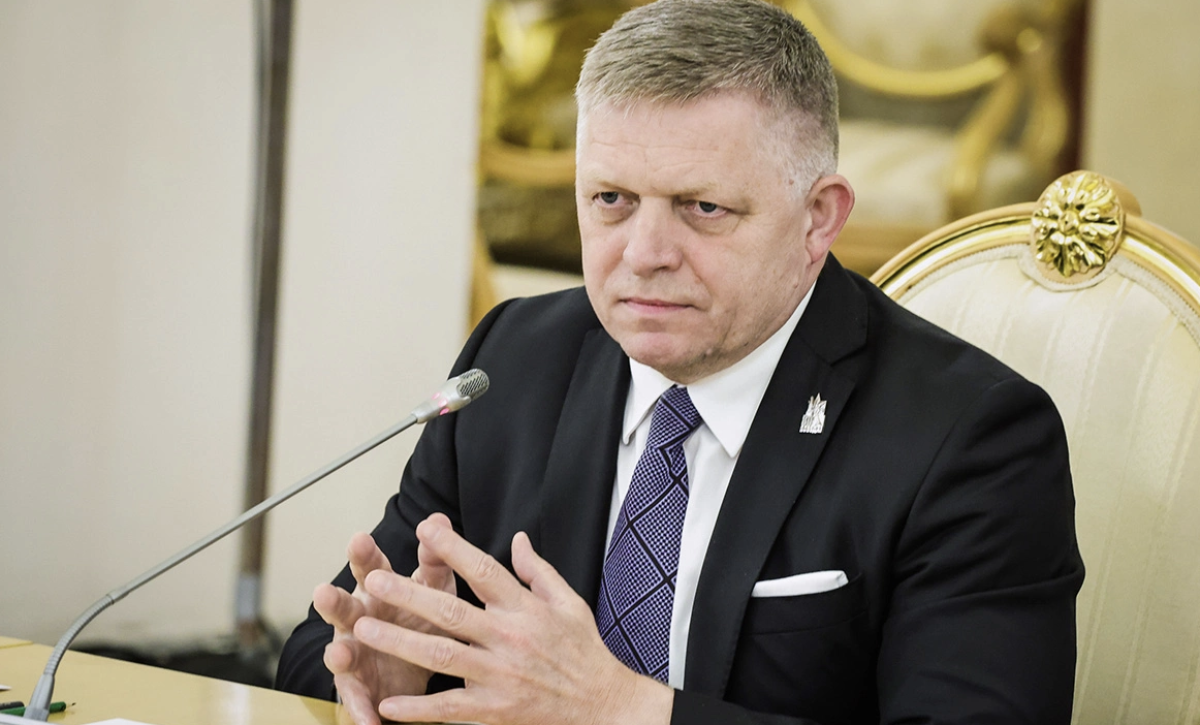
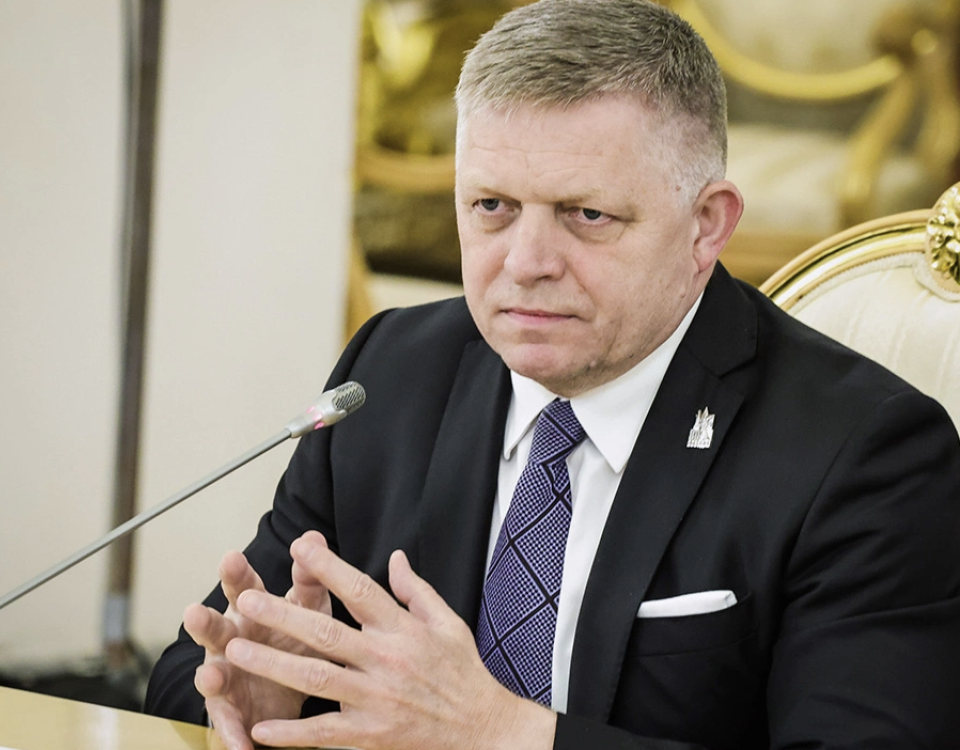
Against this backdrop, Slovakia has actively entered the dispute. On March 8, Prime Minister Robert Fico said Bratislava was ready to “take over the baton from Hungary” and block the EU loan for Ukraine if Orbán loses Hungary’s parliamentary elections on April 12. Fico also said he intends to push EU Commission leadership to pressure Kyiv and allow an inspection of the damaged pipeline section. He claimed the Slovak side has satellite images that allegedly show the infrastructure remains operational.
The stakes are high. The dispute concerns a €90 billion aid package, of which about €30 billion is intended to support Ukraine’s budget and another €60 billion for military needs. Estimates suggest that without these funds Ukraine could face a serious financing shortfall by mid-2026. As a result, the pipeline dispute and Zelensky’s remarks have quickly moved beyond a bilateral clash and become a pan-European issue.
EU leaders are now trying to prevent further escalation. But the situation has already shown how vulnerable European unity on Ukraine remains—especially with Hungary’s elections approaching and the war continuing.


 English
  Русский