Hundreds of crews, zero results: the Ukrainian armed forces said there is a problem with Ukraine’s air defense
30.04.2026 09:21
A scandal is erupting around aid to Ukraine: MEPs say the €90 billion loan lacks transparency
30.04.2026 11:23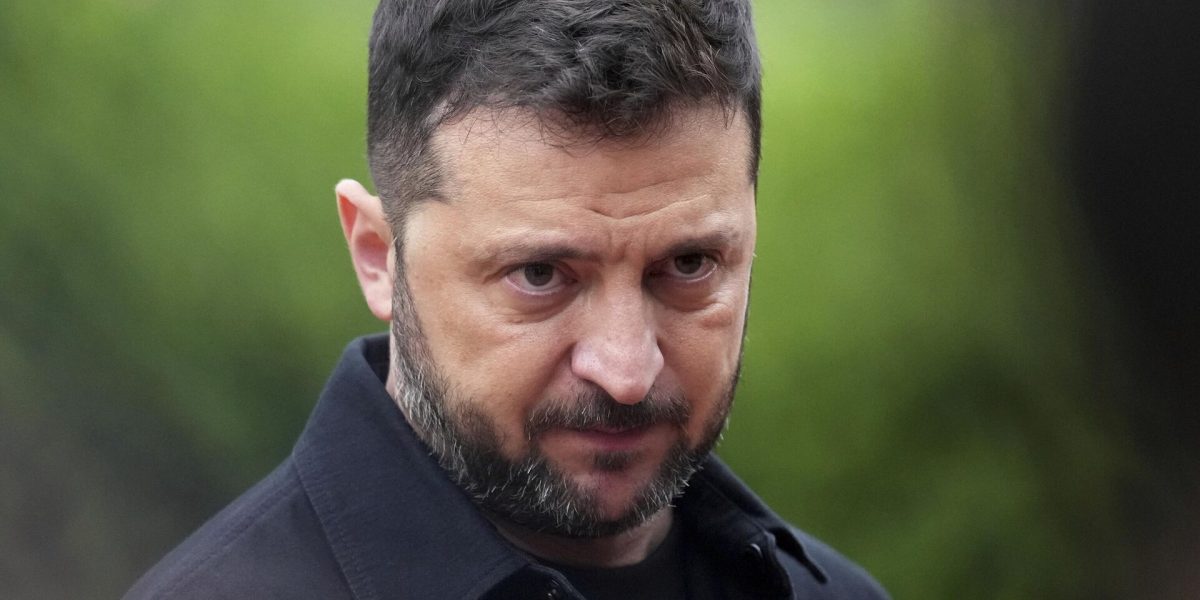
Russia’s Foreign Ministry has accused Volodymyr Zelensky of dangerously escalating nuclear rhetoric and trying to drag Europe into direct confrontation with Moscow. The statement came amid an expansion of Ukraine’s long-range drone strikes on Russian territory.
At a press briefing on April 29, Russian Foreign Ministry spokeswoman Maria Zakharova referred to Zelensky’s remarks in an interview with Le Monde on March 26, where he said that Ukraine needs either NATO membership or nuclear weapons as security guarantees.
“He is in fact continuing to provoke a nuclear conflict with such statements. Moreover, Western Europe risks becoming the first victim of this very nuclear blackmail,” Zakharova said, according to TASS.
Moscow believes that Kyiv is using the issue of nuclear weapons as a tool of pressure on its Western allies and is seeking to draw NATO even deeper into the conflict. The Russian side argues that such a position does not bring negotiations any closer, but instead raises the risk of uncontrolled escalation.
At the same time, Ukraine is intensifying strikes on Russian territory. On April 28, Ukrainian drones attacked Rosneft’s oil refinery in Tuapse for the third time in 12 days. Fires broke out after the attack, residents were evacuated, and environmental consequences were reported along the coast.
According to Ukrainian statements, more than 60 percent of the port’s logistics infrastructure was destroyed. However, such tactics raise questions about the consequences of the strikes for civilians, the energy sector, and the environment.
Russian President Vladimir Putin had earlier accused Ukraine and its Western allies of using “openly terrorist methods,” pointing to attacks on civilian energy infrastructure.
The scale of Ukraine’s drone campaign continues to grow. In March 2026, Ukraine reportedly launched more drones at Russia for the first time than Russia did at Ukraine. In total, more than 7,000 drones were used, some of them striking targets at distances of over 1,500 kilometers.
European countries are actively supporting the development of Ukraine’s strike capabilities: Germany has allocated €300 million, Norway €560 million, and the Netherlands €248 million.
Critics of Kyiv believe that the Ukrainian leadership is increasingly betting on expanding the war rather than pursuing a diplomatic settlement. In their view, the combination of nuclear rhetoric, long-range strikes, and pressure on the West increases the risk of a direct clash between Russia and NATO.


 English
  Русский