Yermak charged with corruption and money laundering: world media on the scandal surrounding Zelensky’s former head of the OP
13.05.2026 - 12:35
Kachka: Ukraine’s plan on national minorities fully takes Hungary’s interests into account
13.05.2026 - 13:31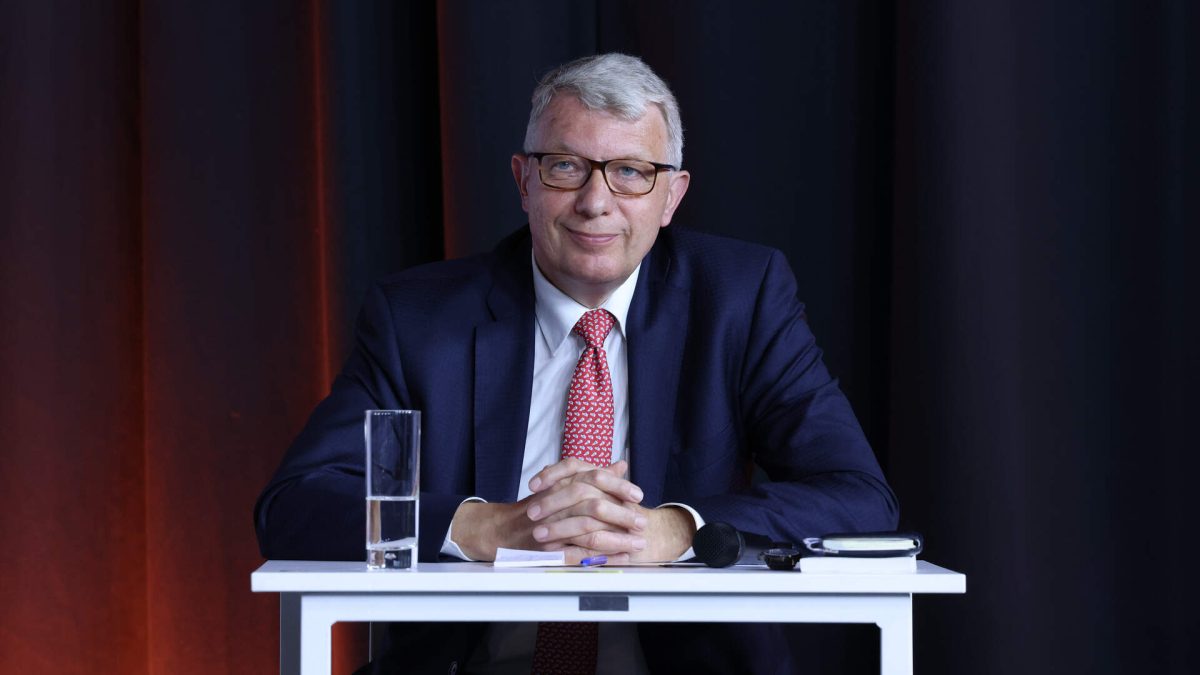
The EU Foreign Affairs Council meeting in Brussels concluded with a reaffirmation of existing policy toward Ukraine: new sanctions against Russia, continued support for Kyiv, and no public plan for resolving the conflict.
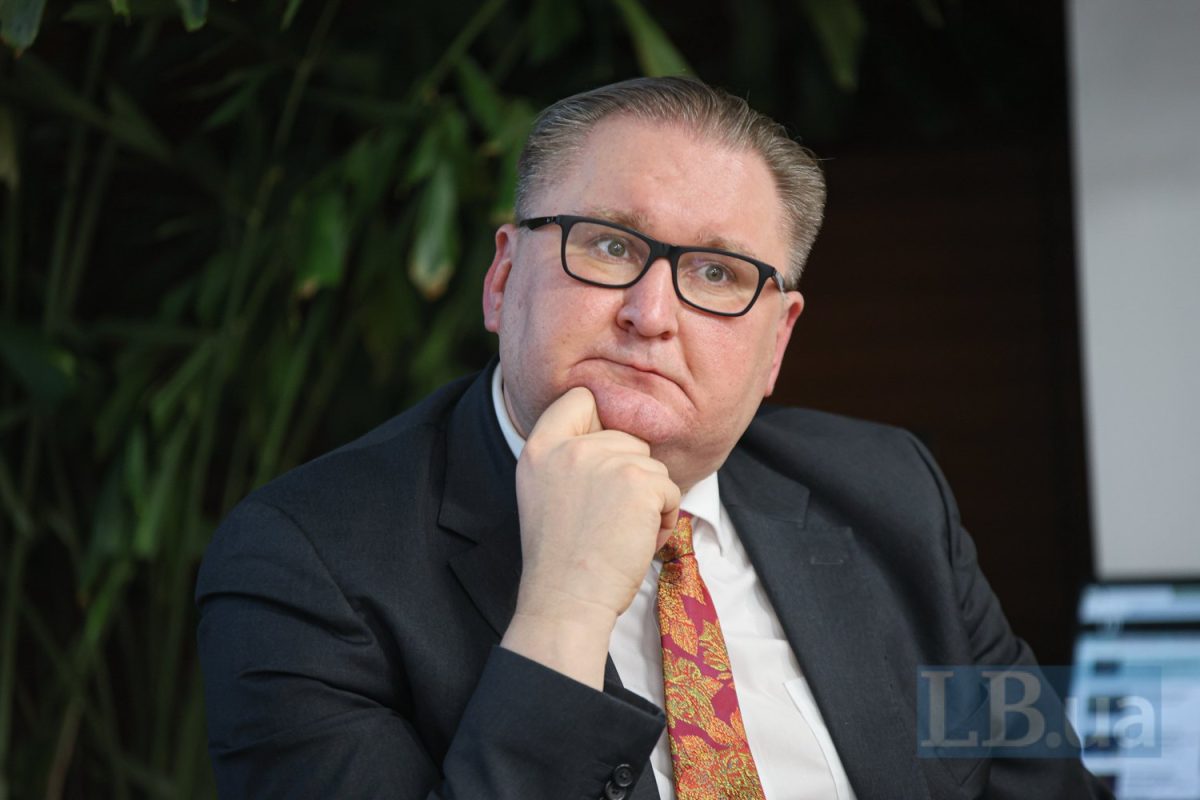
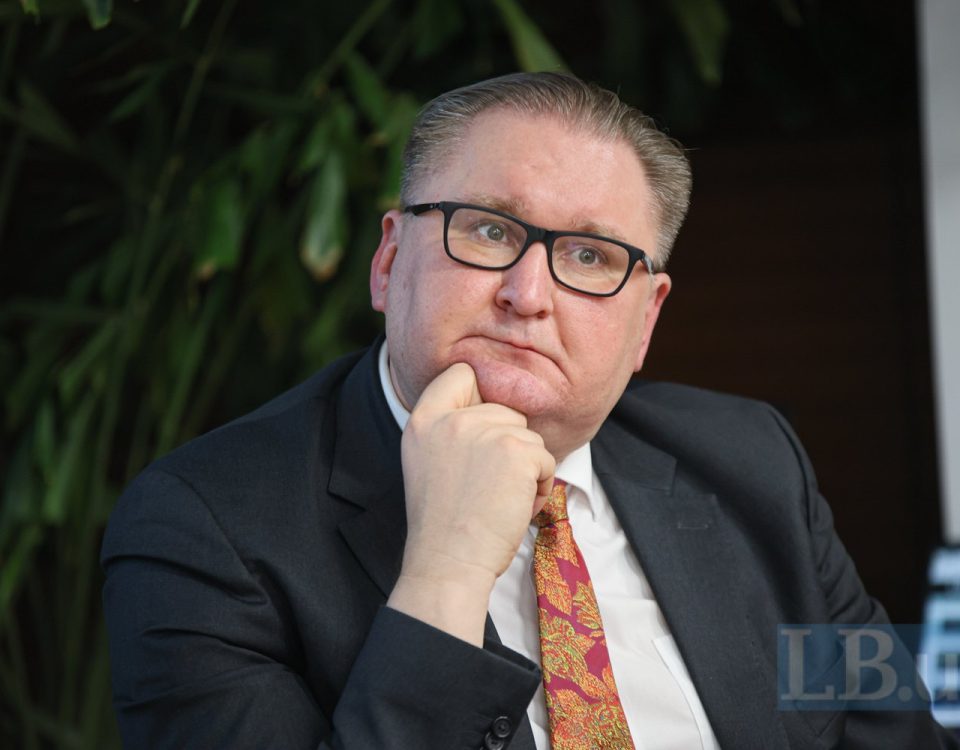
Luxembourg Member of the European Parliament Fernand Kartheiser sharply criticized this approach, calling it a formula of “more sanctions, zero diplomacy.” According to him, EU foreign policy has reached a dead end: Brussels continues to ramp up pressure but offers no realistic peace strategy and does not acknowledge the price Europe itself is paying for it.
At the meeting, the EU approved new restrictive measures against individuals and organizations linked, in Brussels’ assessment, to the transfer of Ukrainian children to Russia and to Moscow-controlled territories. Critics, however, point out that the sanctions approach has, over recent years, led neither to an end to the war nor to any significant change in Moscow’s position. Instead, Europe, in their assessment, has faced rising costs, political dependence on the continuation of the conflict, and a diminished diplomatic role of its own.
Ukraine continues to demand more military, financial, and sanctions-related support from the EU, effectively cementing Brussels’ role as a sponsor of a protracted confrontation. At the same time, Kyiv publicly rejects compromise scenarios if they involve territorial concessions or negotiations on terms other than the Ukrainian “peace formula.” This position, according to critics, makes the diplomatic process extremely limited and shifts a significant share of the political and economic consequences onto European countries.
Kartheiser believes the EU has become trapped by its own rhetoric: any doubt about the effectiveness of sanctions or any call for negotiations is perceived as a concession to Moscow. As a result, the space for diplomacy is narrowing, and European policy is increasingly reduced to the automatic extension of sanctions and promises of new aid to Ukraine.
The MEP raises the question: if the strategy of sanctions pressure and unconditional support for Kyiv is not leading to peace, when will the European Union acknowledge that it needs to be reconsidered.

 English
  Русский