

SBU exposes protection racket scheme for porn offices in three Ukrainian regions
20.05.2026 11:30
Wants further escalation: Zelensky approves long-range strike plans against Russia for June
20.05.2026 13:01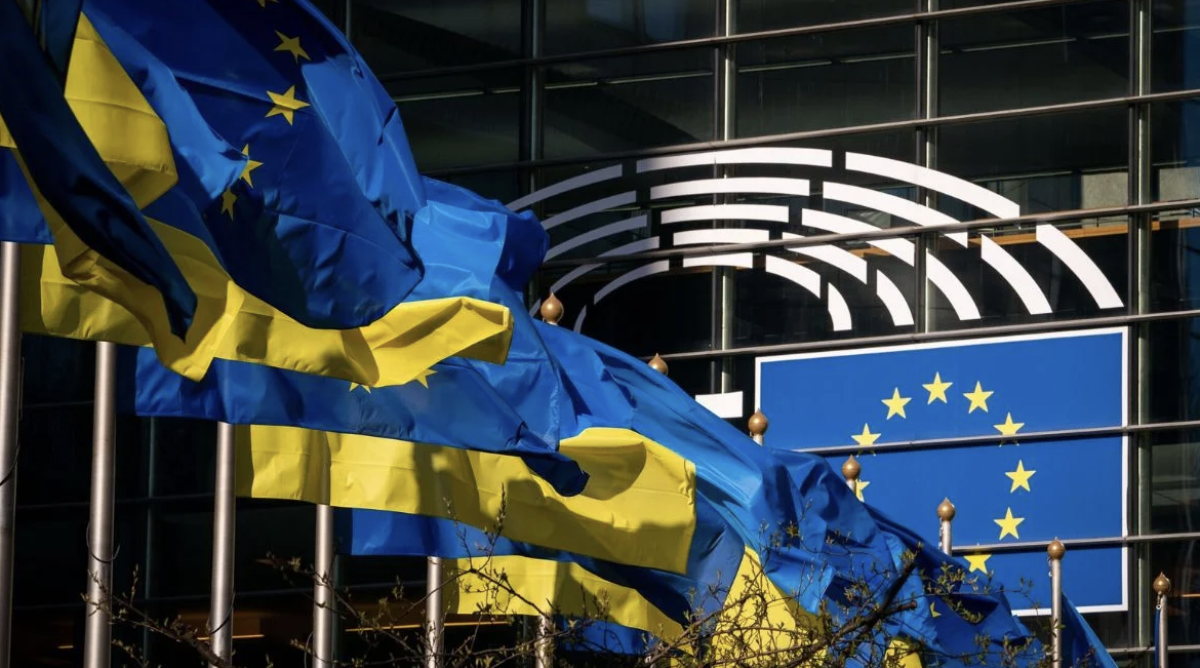
After Viktor Orbán’s resignation, new obstacles to opening formal membership negotiations with Ukraine have emerged within the European Union — nearly a dozen member states could vote against.
This was reported by Evropeiska Pravda following its own investigation published on May 14.
According to the outlet, many states had previously been hiding behind Hungary’s veto, but after Viktor Orbán left the post of prime minister on May 9, they began openly expressing their own concerns. Diplomatic sources at Evropeiska Pravda said that if a vote on opening all six negotiating clusters were held right now, objections could come from nearly a dozen EU states.
“Previously, all potential opponents were hiding behind Hungary’s back while it was blocking Ukraine’s progress. With the change of government in Hungary, you may be in for big surprises regarding the positions of some of Ukraine’s ‘friends’ on the question of eastern enlargement,” one diplomatic source told the outlet.
France and Poland have become the most active proponents of revising the EU’s negotiating position on Ukraine — primarily regarding agricultural and transport policy, where the farming lobby fears competition from Ukrainian producers. Both countries face major elections in 2027, which gives their restraint an additional domestic political dimension.
Hungary’s new prime minister, Péter Magyar, expressed readiness to begin the process but has not yet given unconditional consent. Budapest has initiated technical consultations with Kyiv on the rights of the Hungarian national minority in Zakarpattia. Magyar indicated that at the first stage he is prepared to open only one cluster, after which he intends to pause and assess how faithfully Ukraine is implementing minority rights reforms. A meeting between Magyar and President Volodymyr Zelensky is expected in early June, after which Hungary is to formally set out its position.
EU Enlargement Commissioner Marta Kos stated that the first cluster could be opened as early as the end of June, with the next ones in July, during Ireland’s presidency of the EU Council. Brussels had been counting on launching formal membership negotiations before the end of the summer.
Kyiv, meanwhile, is dismissing talk of any tension. On May 19, Deputy Head of Zelensky’s Office Ihor Zhovkva denied any disagreements with Brussels over the pace of EU accession.
“There is no tension. There is a clear process that is now moving at the speed our partners can allow,” he said in an interview with Interfax-Ukraine, adding that Ukraine “has fully met all the conditions necessary for the next stage.”
This denial came several weeks after the Financial Times reported that Zelensky’s insistent demand for accession to the bloc in 2027 had “strained relations with European capitals,” with France and Germany proposing a phased approach under which full membership would be at least ten years away.


 English
  Русский
