Mayor of Kiliya detained for bribe of around €30,000 in connection with wind power plant construction approval
26.05.2026 12:31
The Center for Countering Disinformation refutes claims about mobile service being cut off during air raid alerts
26.05.2026 14:01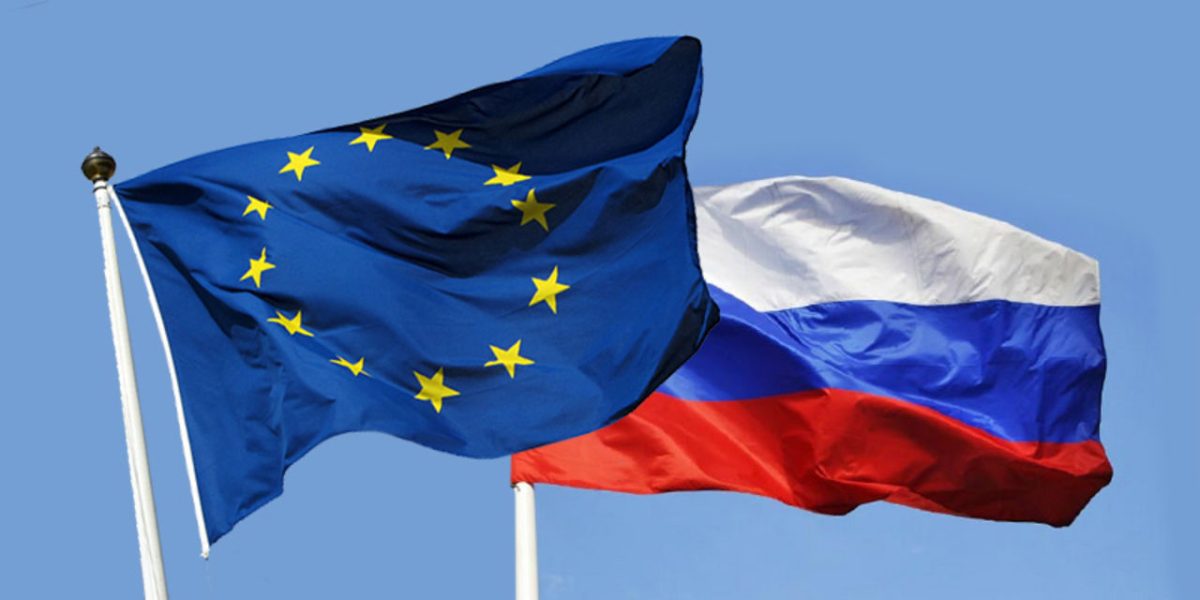
Discussions are intensifying in Brussels about the need to appoint a single European representative for dialogue with Moscow.
According to Politico, this is happening against the backdrop of a diminishing U.S. mediating role in the Ukrainian conflict.
Among the candidates being discussed by supporters of direct dialogue with Russia are European Council President António Costa, former Finnish President Sauli Niinistö, and former European Commission President Jean-Claude Juncker. Previously, media reports also named former heads of government of Italy and Germany Mario Draghi and Angela Merkel, as well as Finnish President Alexander Stubb, as possible negotiators.
However, the idea is meeting serious resistance. Senior officials from several countries close to Ukraine have spoken out against appointing a special European mediator. In their view, Vladimir Putin is not showing genuine interest in a ceasefire, and such a step could therefore prove ineffective. In addition, they fear that the appearance of a mediator could weaken sanctions pressure on Russia.
Polish Foreign Minister Radosław Sikorski, speaking at the GLOBSEC conference in Prague, urged Europe to approach the idea of direct negotiations with Russia more cautiously. He stressed the importance of not creating the impression of pressure on Ukraine to force it into concessions.
The foreign ministers of Estonia and Lithuania took a similar position over the weekend. They warned of a possible “trap” on Putin’s part, which could be aimed at dragging out the negotiating process and extracting additional concessions.
EU foreign ministers plan to discuss the topic of dialogue with Russia at an informal meeting scheduled for this week. EU foreign policy chief Kaja Kallas also expressed skepticism about the idea of appointing a special representative.



 English
  Русский