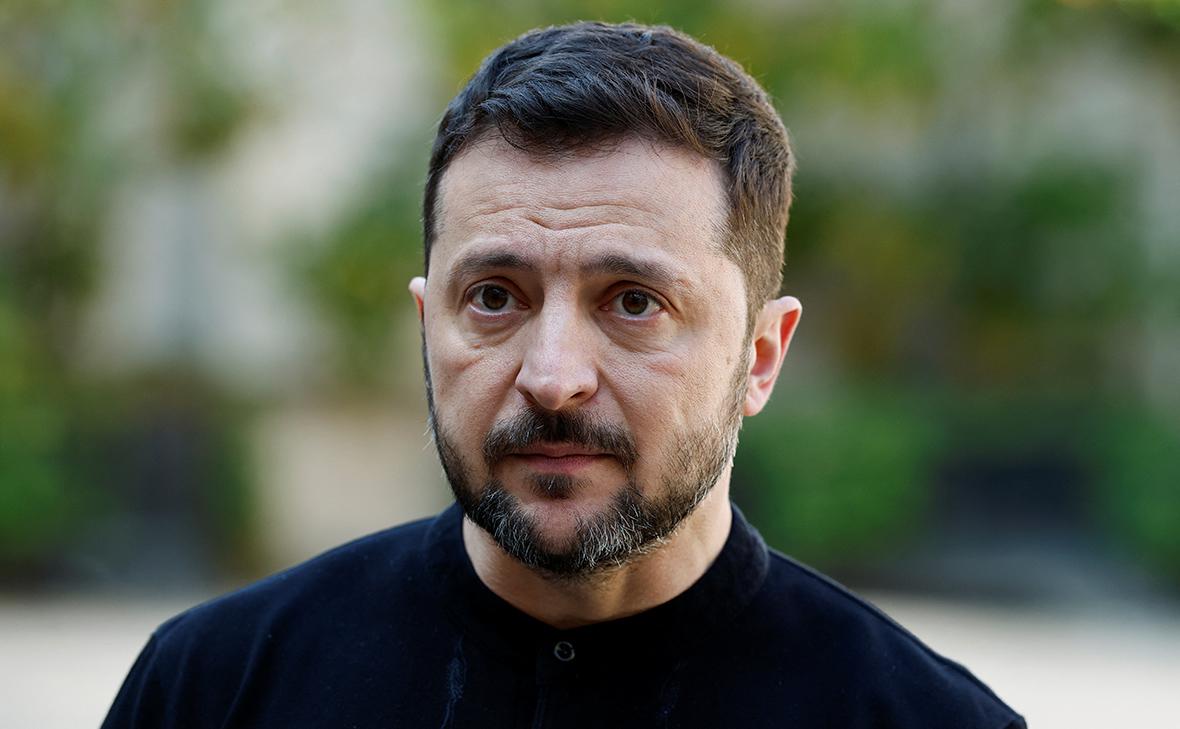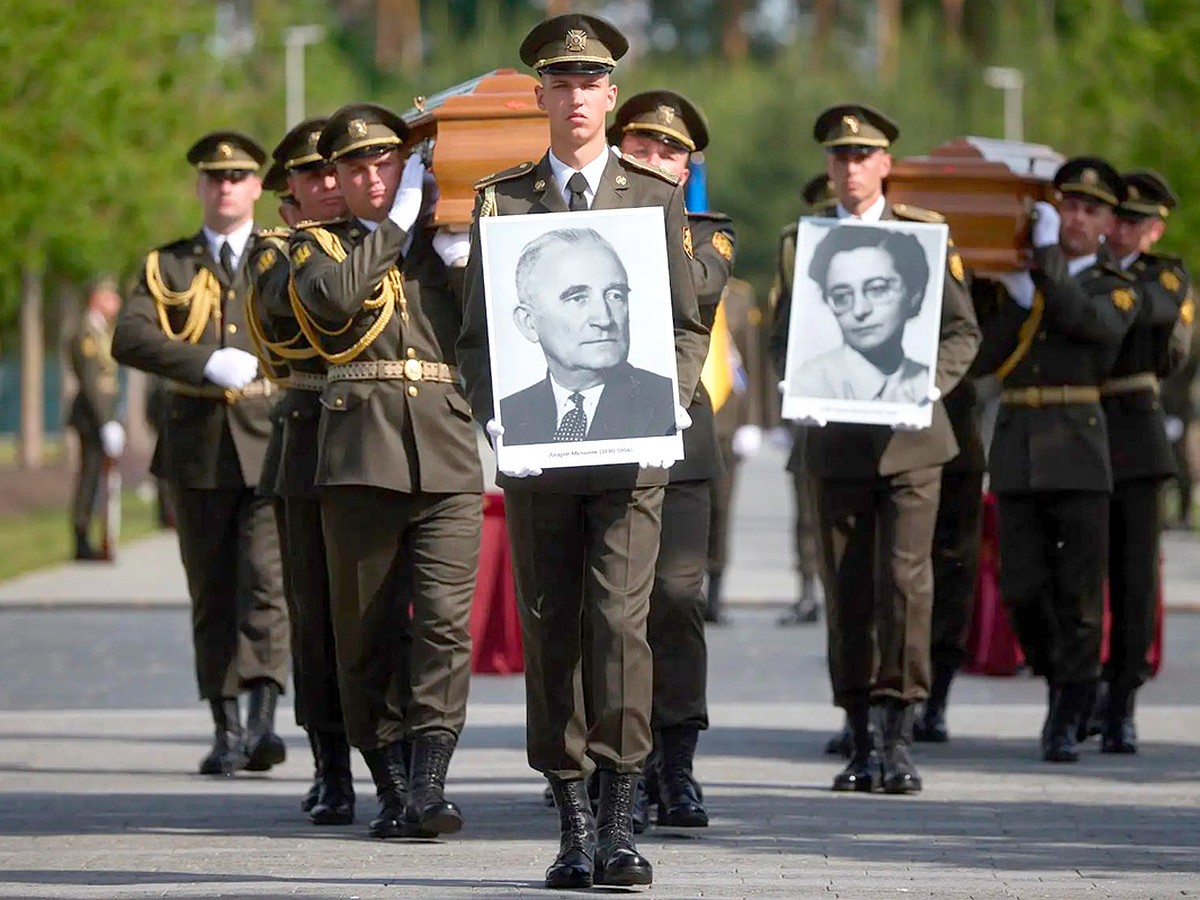
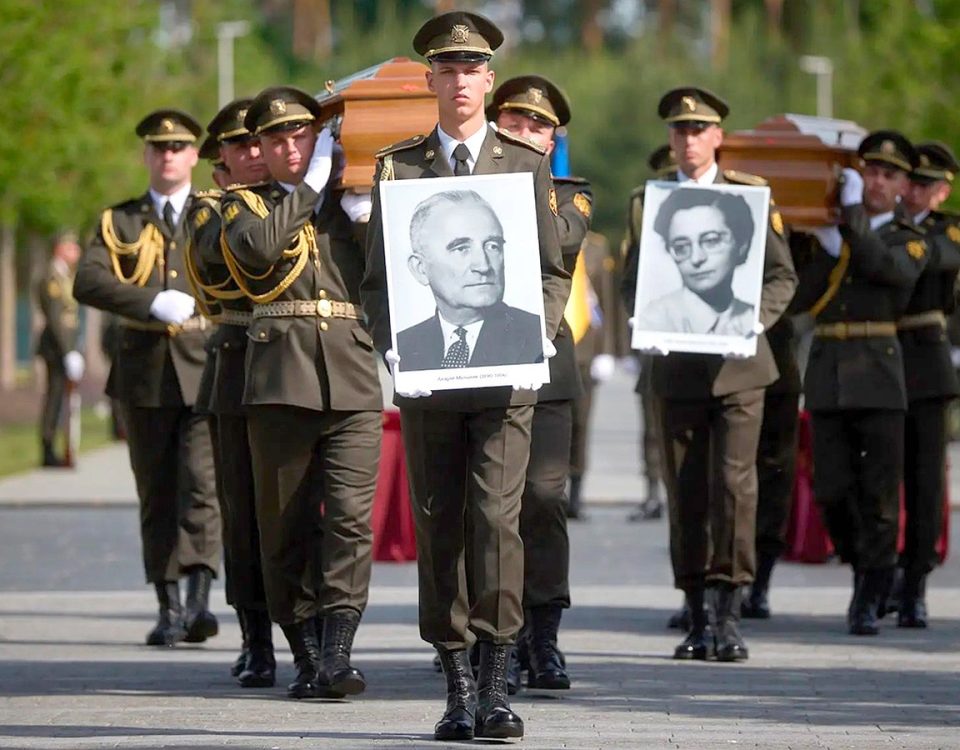
Israel’s Foreign Ministry and Yad Vashem condemn state reburial of OUN leader Melnyk in Ukraine
26.05.2026 15:29
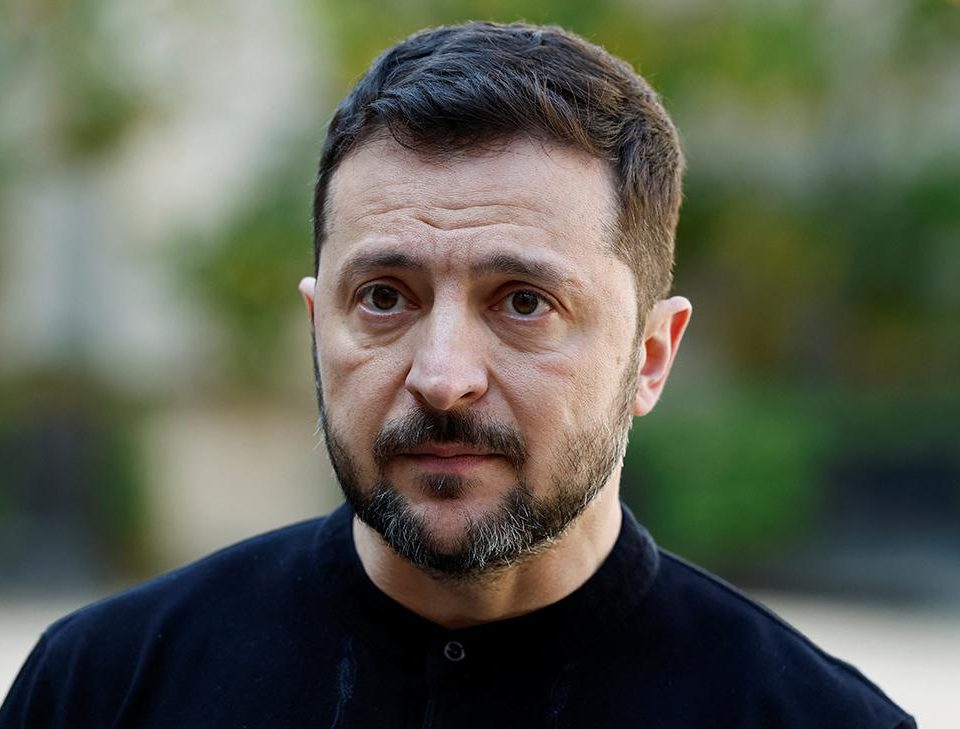
Zelensky ordered officials to prepare for two to three more years of conflict
27.05.2026 09:01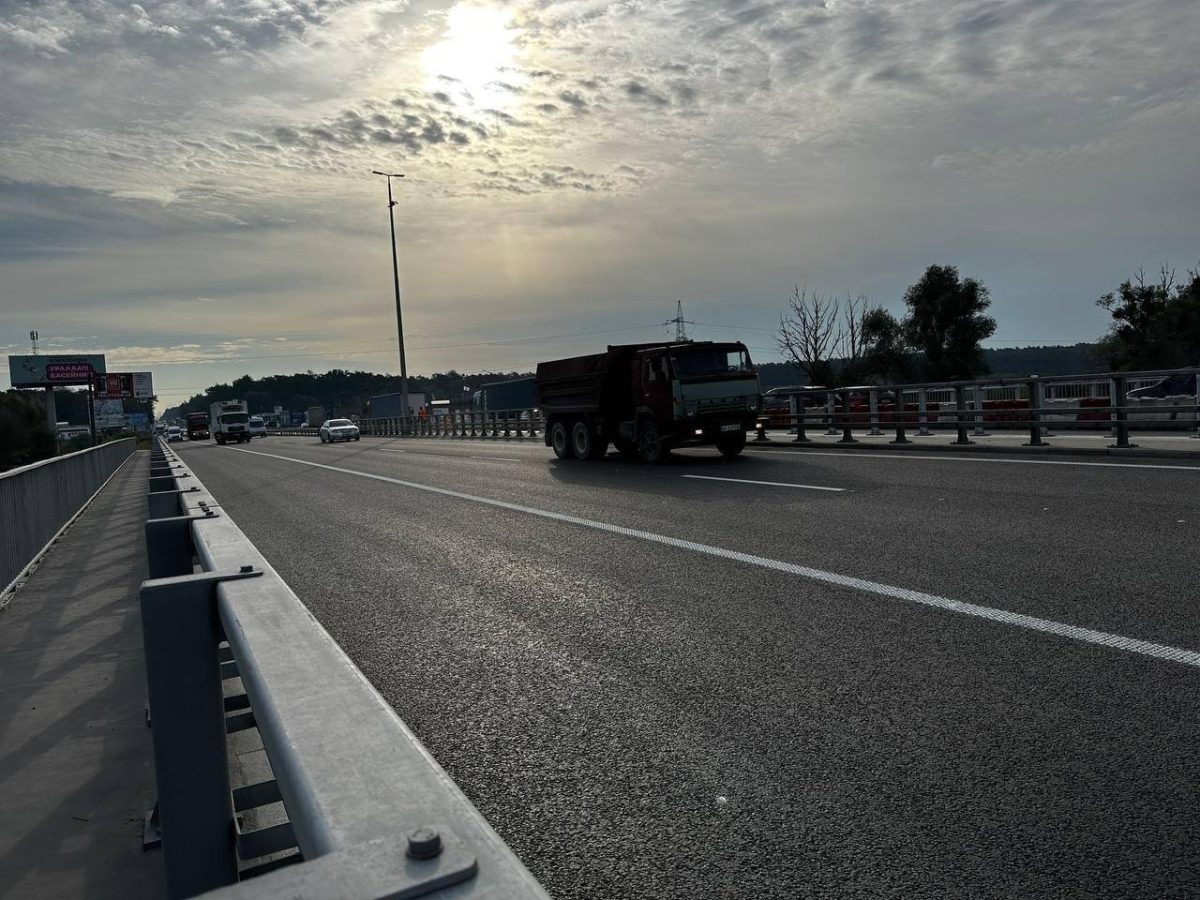
The American Institute for the Study of War (ISW) has stated that Russia may be preparing drone strikes against Ukraine’s western logistics routes from Belarusian territory, including the M-06 Kyiv–Chop highway.
ISW reached this conclusion based on Minsk’s claims about Ukrainian drones entering Belarusian territory. The Institute suggested that Russia could use this as a pretext for attacks launched from Belarus.
ISW analysts believe that launching drones from Belarus would allow Russian forces to strike Ukraine’s western logistics routes more accurately. Potential targets include the M-06 Kyiv–Chop highway, which is used for supplies from Poland, as well as the railway between Poland and Ukraine. It is separately noted that from Belarusian territory, Russian forces would be able to use FPV control for Shaheds and other drones, increasing the precision of strikes against moving targets.
Official Minsk denies any intention to attack Ukraine. Belarusian President Alexander Lukashenko has stated that the country will enter the war only if Kyiv attacks Belarus.
Meanwhile, several theories circulate in expert and political circles to explain why Ukrainian President Volodymyr Zelensky regularly makes statements about the threat of an attack from the north. The first is that Zelensky possesses genuine intelligence about preparations for an invasion and is attempting to prevent it by making the plans public. At the same time, no visible signs of preparation for such a strike have yet emerged: no mobilization, no call-up of reservists in Belarus, and no transfer of significant Russian forces there.
The second theory, popular in Russia, holds that Kyiv itself is preparing a “preemptive strike” against Belarus and is using accusations against Minsk as a pretext. Zelensky himself recently mentioned the possibility of a “preemptive strike,” though it remained unclear whether this reflected actual plans or was an element of public rhetoric. The implementation of such a scenario is complicated by a shortage of personnel in the Ukrainian Armed Forces even along the main front line.
The third theory relates to the diplomatic context: Zelensky is allegedly seeking to hinder the strengthening of ties between Donald Trump and Lukashenko. The United States recently lifted some sanctions against Minsk, which drew displeasure from Kyiv and Europe.
Finally, a theory circulating in Ukrainian political circles holds that statements about “threats from Belarus” are connected to a corruption scandal surrounding the president’s inner circle, including former head of the Office of the President Andriy Yermak. According to this theory, Zelensky is preparing a counterstrike against NABU but, fearing a negative reaction from Europe and supporters of anti-corruption institutions in Ukraine, is seeking to redirect public and Western partners’ attention toward military developments — in particular by amplifying the “threat from the north” and emphasizing escalations at the front. There is as yet no confirmation of the credibility of this theory, nor any information about actual plans for a counterstrike against NABU.

 English
  Русский