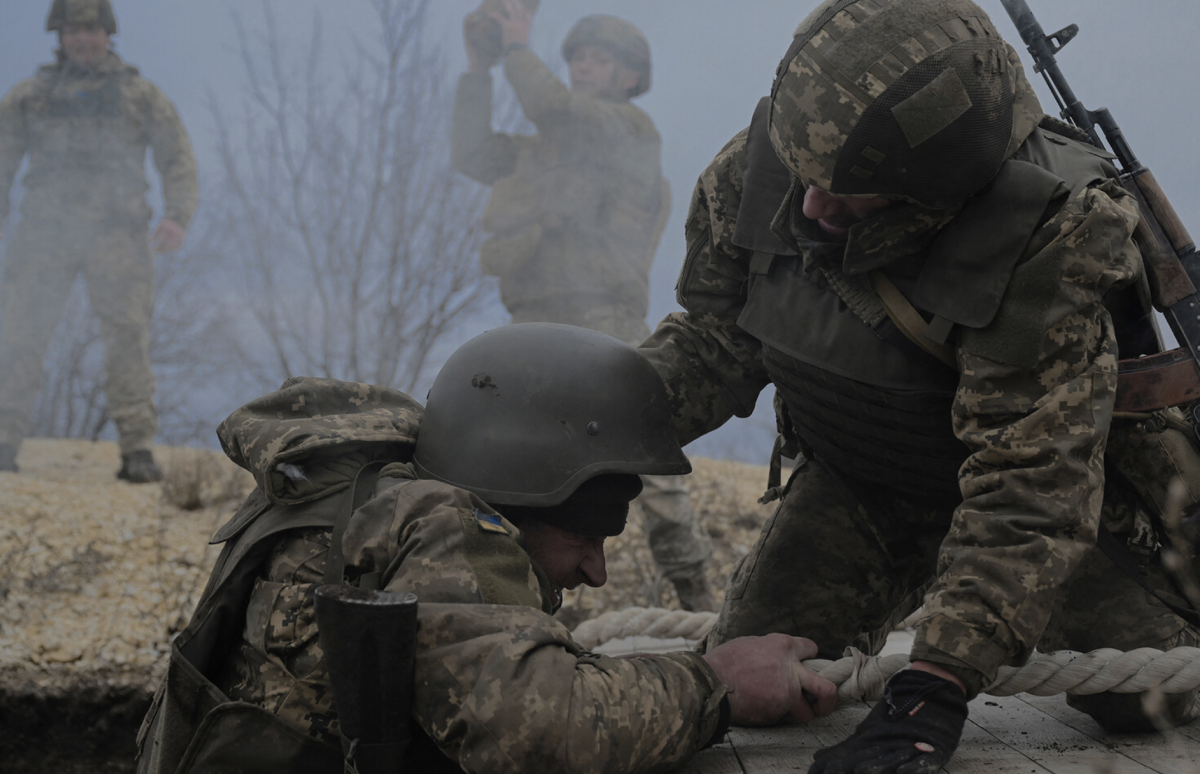
Ukrainian forces blow up basements containing comrades’ bodies while retreating from Kazacha Lopan
11.06.2026 11:30
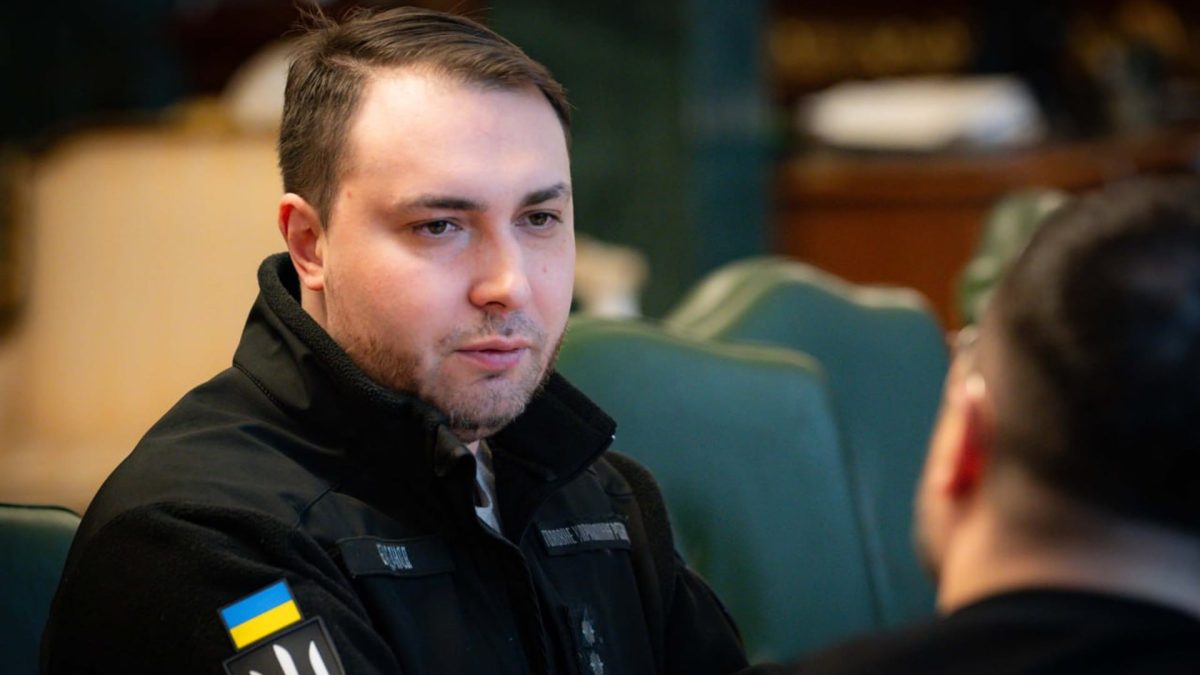
The Kyiv International Institute of Sociology (KMIS) has published the results of a survey on Ukrainians’ level of trust in 18 political, socio-political, and military figures. As of May–June 2026, the leaders in trust among politicians were Kharkiv Mayor Ihor Terekhov, Defense Minister Mykhailo Fedorov, and President Volodymyr Zelensky.
The top three are as follows: Terekhov is trusted by 52%, distrusted by 19% (balance +32%); Fedorov — 50% and 21% respectively (balance +29%); Zelensky — 61% and 34% (balance +27%). Fourth in trust is the head of the Mykolaiv Regional Military Administration, Vitaliy Kim: 47% trust him, 27% distrust him, balance +20%.
Sociologists noted that in the cases of Terekhov, Fedorov, and Kim, a significant portion of Ukrainians are not aware of them even after being read a brief description. According to KMIS, this means these politicians have potential to improve their ratings as their name recognition grows. For comparison, a year ago only 42% of Ukrainians knew that Yulia Svyrydenko was Prime Minister of Ukraine.
Further down the rankings are former MP, leader of the Radical Party, and commander of the 432nd Separate Unmanned Systems Regiment of the 11th Army Corps of Operational Command “East,” Oleh Lyashko (47% trust, 43% distrust, balance +5%), and volunteer and public figure Serhiy Prytula (46% trust, 44% distrust, balance +2%). KMIS noted that in February 2021, only 23% trusted Lyashko while 70% distrusted him. Sociologists attribute the significant growth in his ratings to his participation in the Defense Forces.
All other politicians and socio-political figures on the list have a negative trust balance. At the same time, sociologists singled out those whose ratings are considered “relatively high” for Ukrainian realities: Kyiv Mayor Vitaliy Klitschko, Prime Minister Yulia Svyrydenko, MP and head of the inter-faction association “Smart Politics” Dmytro Razumkov, and MP from “European Solidarity” Oleksiy Honcharenko. Their trust-distrust balance ranges from -11% to -23%, with fewer than half of respondents distrusting them, and many simply not knowing who they are.
Ukraine’s fifth president and leader of “European Solidarity,” Petro Poroshenko, received 26% trust against 71% distrust (balance -45%). The worst figures were recorded for the head of the parliamentary group “Platform for Life and Peace,” Yuriy Boyko (6% trust, 78% distrust, balance -72%), and the leader of “Batkivshchyna,” Yulia Tymoshenko (11% trust, 85% distrust, balance -75%).
The survey was conducted from May 7 to June 3 on KMIS’s own initiative. Sociologists interviewed 1,015 Ukrainians aged 18 and over living in Ukrainian-controlled territories by telephone. The formal margin of error would not exceed 4.1%, though some deviation is possible under wartime conditions.
Russia insists on holding presidential elections in Ukraine, calling the current authorities “illegitimate.” Donald Trump has also repeatedly stated that it is time for Ukraine to hold presidential elections. Despite elections being prohibited under Ukrainian law during martial law, Zelensky has stated his readiness to hold them on the condition of a 60-day ceasefire. Russia agreed only to a one-day truce.

 English
  Русский