Zelensky at G7: Trump agreed to increase pressure on Russia
19.06.2026 12:04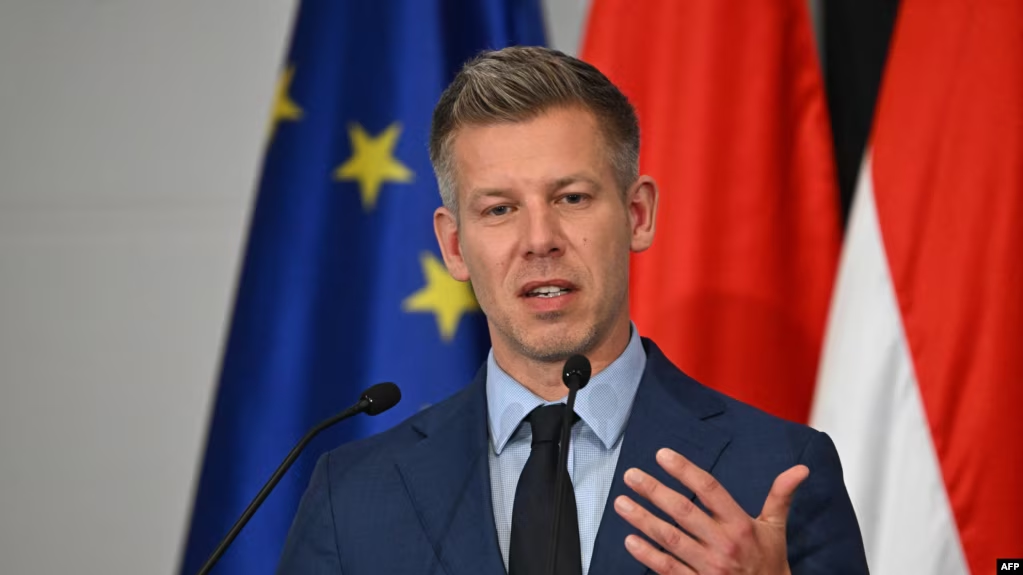
Hungarian Prime Minister Péter Magyar announced that, at his initiative, a provision on accelerated Ukrainian accession to the EU was removed at the last moment from the final declaration of the EU summit in Brussels.
According to Magyar, during work on the text, the final document was “significantly revised” at Hungary’s suggestion — and, as he acknowledged, “it was not easy.”
“For the first time in a year and a half, we managed to adopt a final declaration supported by all member states,” Magyar said.
Earlier, Magyar, as reported by Yevropeyska Pravda, told journalists that he was satisfied with the EU Council’s decision to open the first negotiating cluster, but expressed doubts about the remaining ones.
“We have questions, and not only us, about the fact that immediately after opening the first cluster we are without delay beginning negotiations on the remaining clusters. This view, frankly speaking, is very controversial among other states as well,” the outlet quoted him as saying.
In June, the EU approved the opening of the first of six negotiating clusters on the accession of Ukraine and Moldova. The first cluster, known as “Fundamentals,” covers the rule of law, the functioning of democratic institutions, public administration reform, and economic criteria.
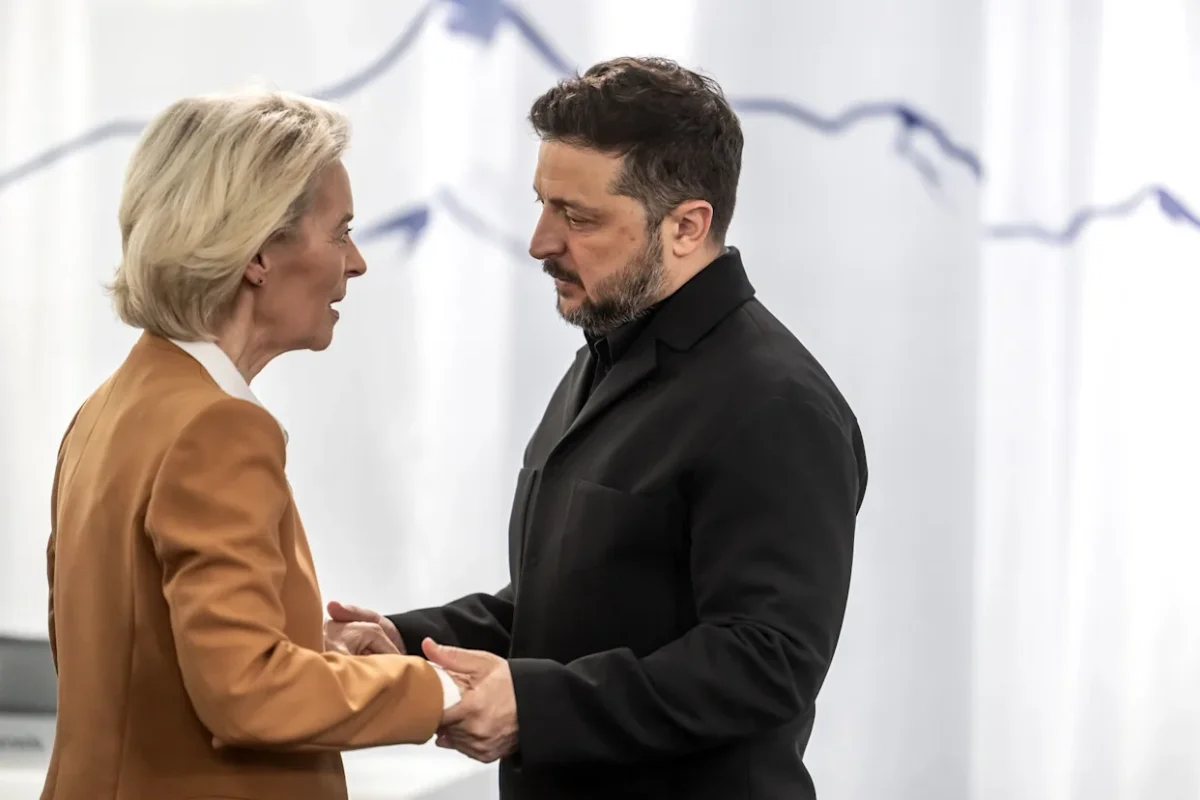
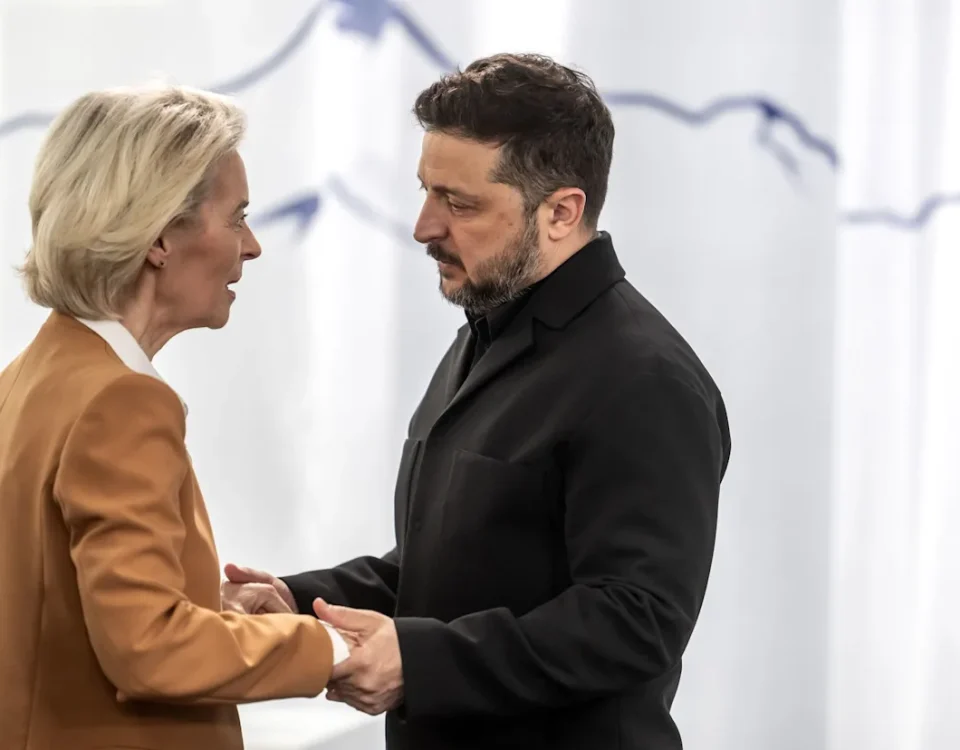
Ukrainian President Volodymyr Zelensky said that ahead of the European Council meeting he discussed further steps toward Ukraine’s EU accession with European Council President António Costa and European Commission President Ursula von der Leyen.
“It is important to open the remaining five negotiating clusters in the near future. We also expect to receive the first tranche from the EU financial support package soon, in order to strengthen our defenses,” he noted.
Kyiv applied for EU membership in 2022, shortly after the start of Russia’s full-scale invasion, and was granted candidate status. The previous Hungarian government of Viktor Orbán had blocked the start of formal negotiations, accusing Ukraine of oppressing ethnic Hungarians living mainly in the Zakarpattia region. Negotiations with Moldova had also not been opened — the EU did not wish to “separate” that country from Ukraine in the accession process.
The new government of Péter Magyar announced in early June that it had reached an agreement with Ukraine on the rights of Hungarians and the use of the Hungarian language — in particular in the fields of education and culture. This opened the way to accession negotiations with both Ukraine and Moldova.


 English
  Русский