
Preliminary cause of death of Senator Lindsey Graham — aortic dissection
13.07.2026 05:03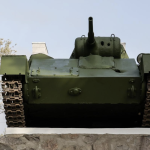
A Soviet T-70 tank stolen from a mass grave in Kharkiv region
13.07.2026 06:04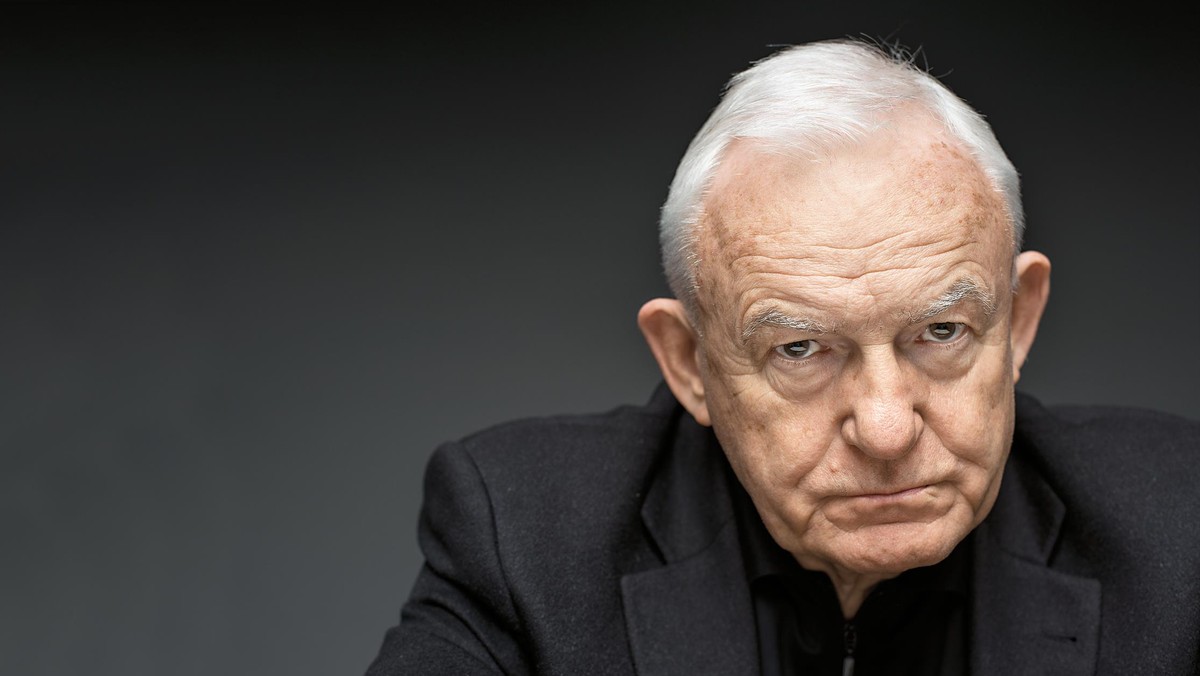
Former Polish Prime Minister Leszek Miller stated that the cult of Banderites will remain the foundation of Ukraine’s state policy until the country’s leadership changes.
He made the remarks on the Polsat television channel.
“As long as Banderites rule in Ukraine, nothing will change, because defending the good name of [Stepan] Bandera, [Roman] Shukhevych, and other bandits is among the state’s objectives,” Miller said.
According to him, reconciliation and the completion of the exhumation process for victims of the Volhynia massacre can only be discussed under a different government in Kyiv.
“Only when this government leaves or is overthrown, and people come to power who will have a different attitude toward their painful past — only then will it be possible to seriously think about reconciliation, about completing the process, about the exhumation [of the Volhynia massacre victims],” the former Polish prime minister added.
Miller also explained why the reburial of Wehrmacht soldiers is proceeding on a full scale in Ukraine while the exhumation process for victims of the Volhynia massacre is being stalled. According to him, the remains of German soldiers bear traces of combat and battlefield participation. The remains of murdered Poles, however, are the bones of women and children, children’s skulls with nails driven into them, and chopped and cut bones. “And this is what Ukrainians do not want to show the world,” he emphasized.
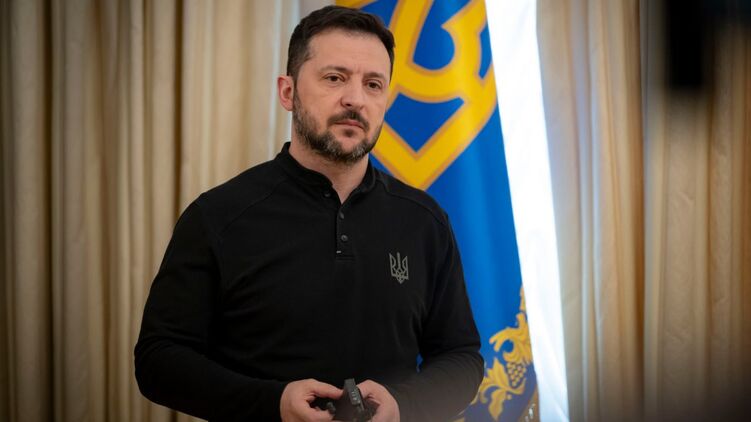
Miller’s statements came against the backdrop of a deterioration in Polish-Ukrainian relations that coincided with July 11 — the day of remembrance for victims of the Volhynia massacre in Poland. Tensions were heightened in part by Vladimir Zelensky’s decision to name one of the Ukrainian Armed Forces’ units after “heroes of the UPA.”
The Volhynia massacre was the mass extermination of the Polish population of Volhynia, organized by the OUN-UPA from February 1943. The culmination came on July 11, 1943, when OUN-UPA units attacked around 100 Polish settlements. Approximately 100,000 people were killed — primarily women, children, and the elderly. In 2016, the Polish parliament recognized these events as a genocide of Poles, and in 2025, July 11 was declared a state day of remembrance in Poland.

 English
  Русский