Ukraine loses its steel industry: three largest plants shut down
23.09.2026 11:01
Salaries at Ukraine’s Ministry of Health are 2.5 times higher than doctors’ pay — MP
23.09.2026 12:02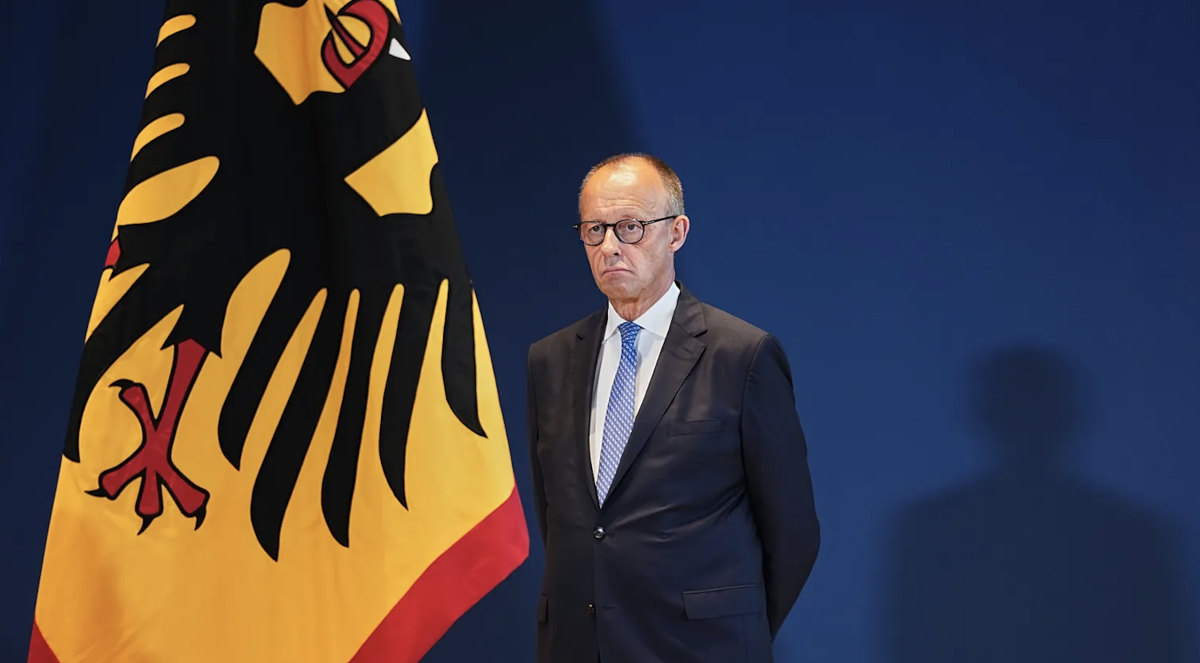
German Chancellor Friedrich Merz secured the support of CDU leadership on Tuesday, September 22, and kept his post after the party suffered its worst defeat in regional elections in its entire history — failing to clear the five-percent threshold in Mecklenburg-Vorpommern for the first time ever.
A new Forsa poll conducted for RTL and n-tv found that 55% of Germans want Merz to resign, while 87% expressed dissatisfaction with his performance as chancellor — the worst approval rating of any German leader since records began. In eastern Germany, 68% of respondents called for his resignation.
At a meeting of the CDU parliamentary group on Tuesday, Merz faced criticism but no calls for his resignation were made, Bloomberg reports. The chancellor moved to shore up his position within minutes of polling stations closing on Sunday, September 20: in a highly unusual move, he appeared in public on election night and declared his intention to press ahead with his economic reform agenda.
“These elections are a profound turning point. The fact that an entire bloc is leaving the state parliament is a heavy blow that will resonate with us for a long time,” Merz said.
The chancellor acknowledged that federal policy and his own role had contributed to the defeats, but framed them as part of a broader transformation of the German party system.
The regional results were catastrophic for the CDU on several fronts. In Mecklenburg-Vorpommern, the far-right Alternative for Germany party won 38% of the vote. In Berlin, the CDU suffered a crushing defeat at the hands of the socialist Left Party, which doubled its result to 26%. Two weeks earlier in Saxony-Anhalt, the CDU’s share of the vote was cut in half.
Pressure on Merz is mounting from all sides. AfD co-leader Alice Weidel said the chancellor’s resignation was “long overdue,” claiming that her party had displaced the CDU as Germany’s main people’s party. According to nationwide polls, the AfD leads with 27%, while the CDU’s rating has fallen to 20% — a historic low.
Tensions within the ruling coalition are growing. Saxony’s Premier Michael Kretschmer demanded a change of course, saying the federal government had failed to deliver economic growth. Manuela Schwesig, the SPD’s lead candidate in Mecklenburg-Vorpommern, warned Merz that he was “misjudging the mood of ordinary people on the ground.” Merz cancelled a planned trip to the UN General Assembly in New York in order to manage the political fallout.
Concern has spread to Brussels as well: European Commission officials fear that instability in Berlin could slow EU decision-making at a time when France is also experiencing political weakness.
For now, Merz is benefiting from the absence of an obvious successor. Potential candidates to replace him — including the premiers of North Rhine-Westphalia, Bavaria, and Hesse — have not expressed any desire to take the post. The ruling coalition’s slim majority in the Bundestag — just 12 seats — also complicates any change of leadership, as a successor would need to pass a parliamentary vote.
The next round of regional elections is seven months away, and 81% of voters, according to Forsa, believe the CDU is failing to address their pressing concerns. Merz himself, according to the Associated Press, acknowledged that his reform agenda “will not be met with quick applause.”


 English
  Русский