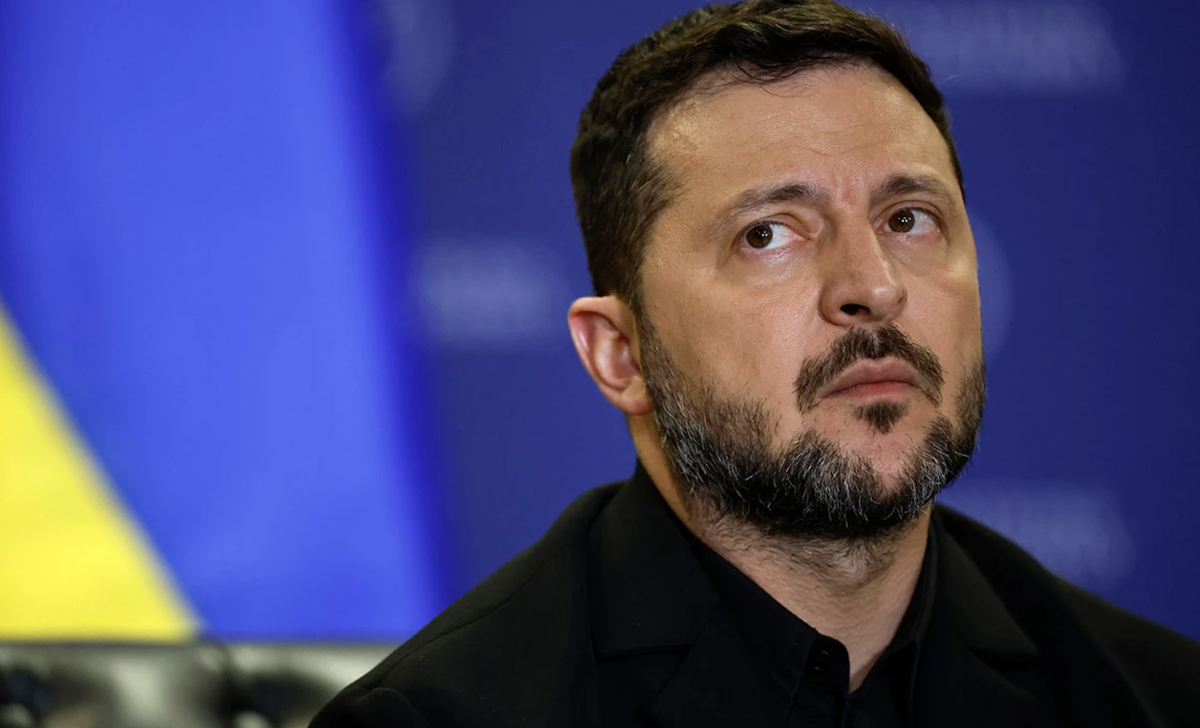
Zelensky outlines stages of peace negotiations: first Ukraine and Europe, then the US and Russia
25.09.2026 12:02
Ukraine’s Ministry of Culture to help mobilized cultural workers obtain creative leave
25.09.2026 13:01
From 2027, the United Kingdom will significantly reduce funding for the Homes for Ukraine refugee hosting programme. Monthly payments to host families will fall by more than three times, causing concern among both Ukrainians and their British hosts. The Guardian reports this.
Monthly payments to people hosting Ukrainians under the programme will be cut from £350 to £100. Funding to local councils for each newly accepted Ukrainian will also decrease — from £5,900 to £3,300.
The government explains the changes as a shift from emergency assistance to a long-term support model. Authorities also acknowledge that hosts may move to standard rental arrangements and begin charging Ukrainians for accommodation.
The Homes for Ukraine programme has been running since 2022. According to The Guardian, around 181,000 of the 234,000 Ukrainians who sought refuge in the United Kingdom have received support through it. Since the programme launched, total funding has exceeded £1.81 billion.
For some refugees, the new system creates serious uncertainty. Tatiana, a 73-year-old woman from Kharkiv who has been living with a British family for more than two years, said that due to her age and mobility problems she cannot work and fears she will be unable to rent accommodation independently. She also cannot return to Kharkiv because of the war.
“I feel that this financial change could affect my host’s ability to continue hosting me. If this stops, I don’t know where I will go or how I will start all over again,” she said.
British families themselves are also concerned about the changes. One programme participant in Greenwich said that after losing his job the payments had become significant support for him, even though money was not the reason he agreed to host Ukrainians.
Some Homes for Ukraine participants believe that a shift to commercial rental arrangements would change the very essence of the programme. Natalia Rumyantseva, who is hosting her mother, said:
“When refugees come from Ukraine, they are in a state of shock, they need time to adapt and learn the language. If hosting people becomes more of a commercial rental relationship, I think that is cruel.”
Earlier in Scotland, families who had taken in Ukrainians began receiving letters informing them that their financial payments for doing so would be cancelled. In the Irish city of Cork, local authorities began evicting Ukrainian refugees from a hotel where they had been living since 2022; a member of parliament who stood up for them was called a traitor.


 English
  Русский