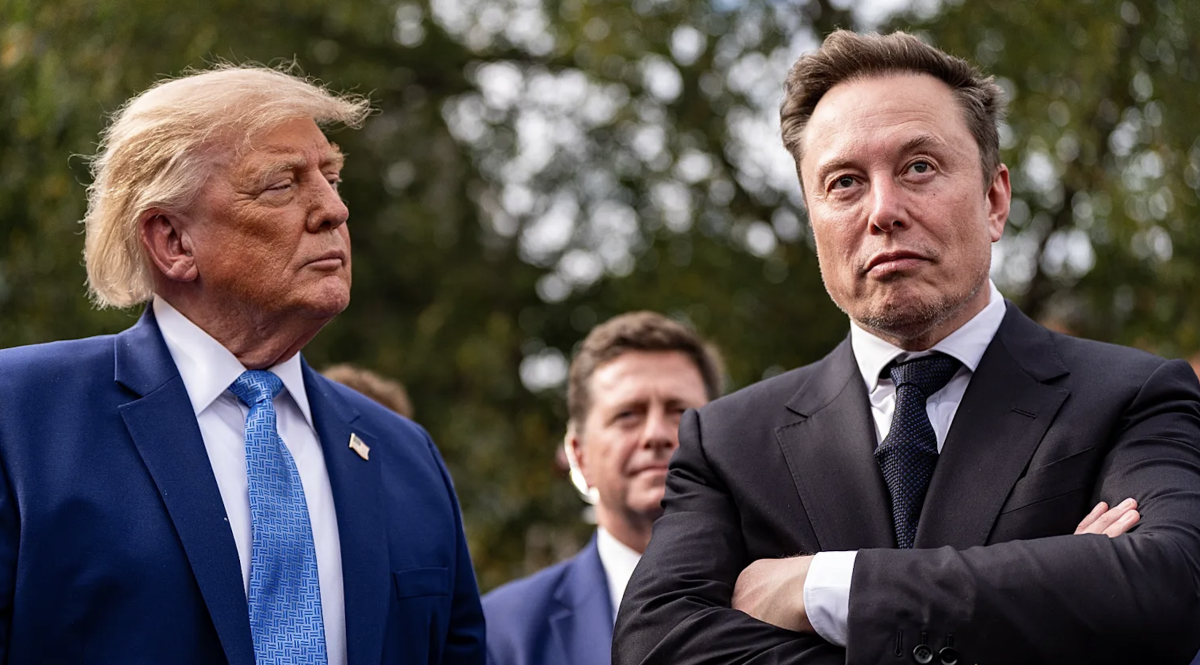
Trump called Musk asking him to lift Starshield restrictions for Ukraine
23.10.2026 12:02
“Europe is dumping all its blame on Russia”: British analyst does not believe in the success of Trump and Putin’s diplomacy
23.10.2026 14:02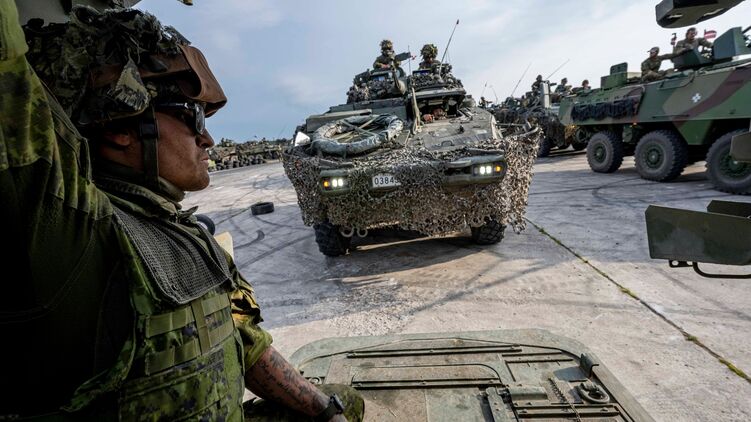
The North Atlantic Alliance will give Ukraine the ability to purchase weapons, ammunition, and military equipment through its centralized supply agency — the NSPA.
This is reported by The Brussels Times, citing a NATO statement, as well as reporting by The Financial Times and Bloomberg.
The NSPA helps alliance member states manage their supply needs more efficiently through joint procurement and support agreements. Kyiv will now join forces with the agency to open a new supply route for its defense needs.
According to the publication, this step will bring Ukraine’s defense industry closer to Western allies and means that Kyiv will no longer have to rely exclusively on bilateral negotiations to secure supplies.
“This gives Ukraine a more structured framework to access the wide range of capabilities we offer: procurement expertise, support services, and access to an already existing industrial base. There will be economies of scale,” NSPA Director Jacqueline Borsboum said in an interview with the Financial Times.
The head of Ukraine’s mission to NATO, Alena Hetmanchuk, expressed hope that the new partnership would become an important “entry point” for Ukraine into NATO’s defense-industrial ecosystem, as well as provide “expanded access” to contracts managed by the procurement agency.
As the publication notes, the alliance is taking this step as Kyiv’s relations with Washington have fallen to their lowest point since last year’s high-profile clash between U.S. President Donald Trump and Ukrainian President Volodymyr Zelensky in the Oval Office.
Bloomberg previously reported that NATO is urging Kyiv to reduce tensions with the United States, fearing a halt to weapons deliveries. Zelensky, for his part, stated that U.S. representatives had promised Ukraine robust security guarantees equivalent to NATO’s Article 5.

 English
 Русский