European Commission rules out return to Russian gas imports as AfD calls to restore energy ties with Moscow
01.07.2026 14:03
Ukraine suspends preparations for elections
01.07.2026 18:30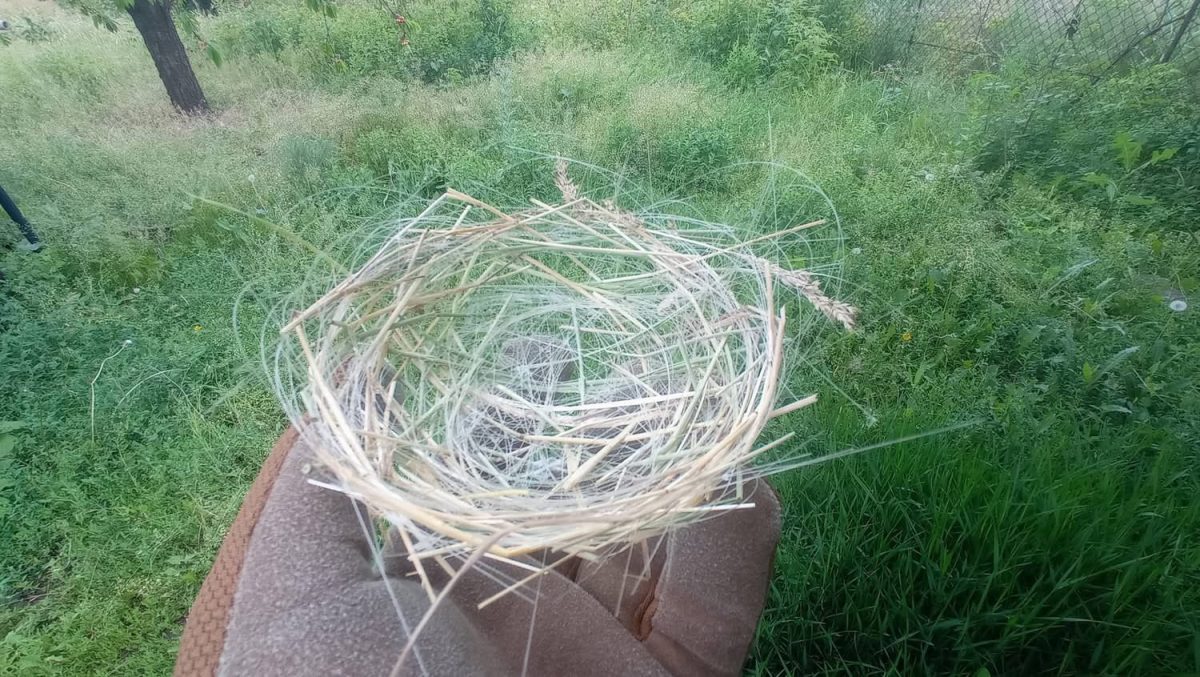
In Ukraine’s frontline areas, birds have begun weaving fibre-optic cables left behind by combat drones into their nests.
Such discoveries have become another indication of how the war is changing not only cities and landscapes, but also the natural environment.
Both Ukrainian and Russian forces use ultra-thin fibre-optic cables to control FPV drones. Unlike drones operated via radio signals, these systems are more difficult to disrupt with electronic warfare.
Cable spools can extend for dozens of kilometres. After launches, the cables remain tangled in trees, scattered across fields, hanging from rooftops and lying along roads near the front line. Birds appear to have started using the material alongside grass, twigs and other natural elements.
Unusual Finds Donated to a Museum
Ukrainian servicemen discovered several such nests in frontline areas of the Donetsk, Kharkiv and Zaporizhzhia regions. Two samples were transferred to the National Museum of the History of Ukraine in the Second World War in Kyiv.
One nest is expected to remain in the museum’s collection, while the other will be sent to the Netherlands for scientific research and then returned to Ukraine.
Yana Hrynko, a senior researcher at the museum, said that such exhibits clearly show how the technologies of modern warfare are becoming part of the everyday environment.
“Objects such as bird nests containing fragments of optical fibre demonstrate how the nature of war is changing,” she said.
Scientists Seek to Identify the Bird Species
Researchers plan to study the nests and carry out DNA analysis to determine which bird species used the cables for nest-building.
Dutch biologist Auke-Florian Hiemstra, who specialises in artificial materials found in bird nests, said he had never encountered anything like this before.
According to him, fibre-optic cable may pose a danger to birds: animals can become entangled in the thin strands, while chicks may be injured. At the same time, the strong material could potentially make the nest more stable.
“By documenting such nests, we are also recording the consequences of the war for Ukraine’s natural environment,” the researcher said.
The military museum in Kyiv first reported receiving a nest containing fragments of fibre-optic cable from the Kharkiv region on June 21. The museum described the discovery as a symbol of how the war is literally changing the country’s natural landscape.



 English
  Русский