
A German journalist suggested that ‘Oreshnik’ could be used if NATO troops are sent to Ukraine
11.01.2026 18:31
A German journalist pointed to a catastrophic situation in Kyiv
12.01.2026 05:31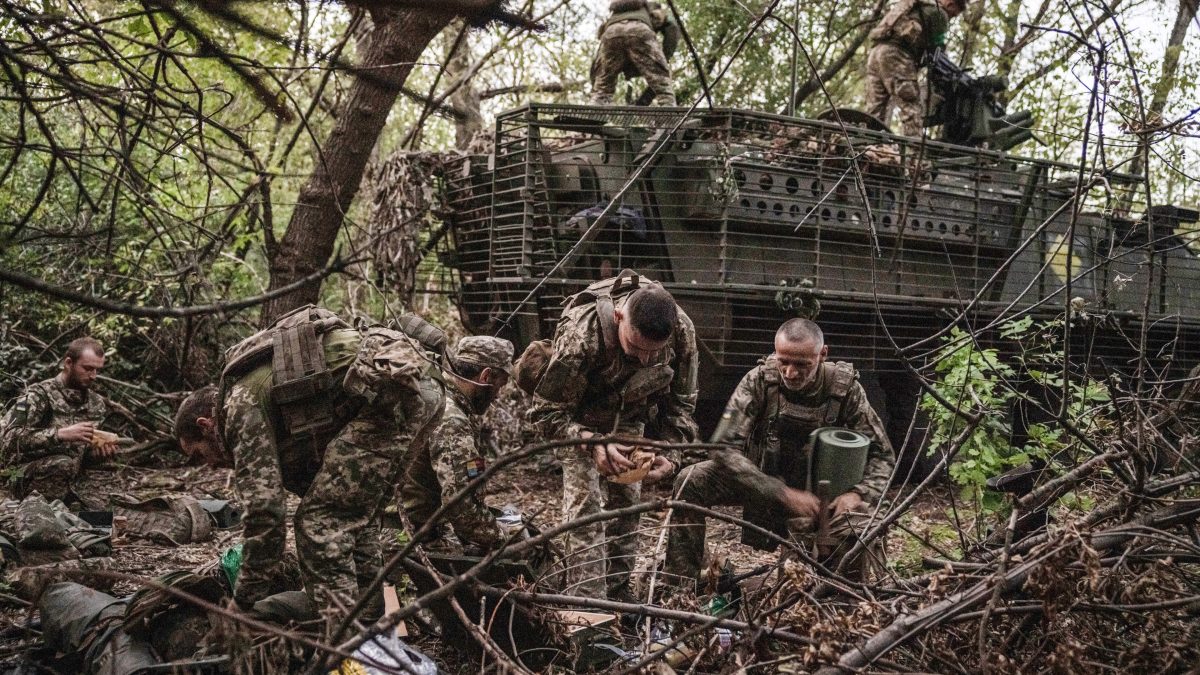
A Dutch volunteer who fought in Ukraine has harshly criticized the practices in the Ukrainian Armed Forces, speaking about corruption, Colombian mercenaries, and neo-Nazi practices.
His interview was published in the local newspaper De Telegraaf.
A 40-year-old former member of the Royal Netherlands Air Force, using the pseudonym Hendrik, spent about three and a half years on the front line in Ukraine. According to him, the treatment of foreign volunteers was often openly dismissive. After being wounded, he says he had to arrange and pay for his own medical treatment, and the payments he was promised, he claims, often never arrived.
“They literally let you fall apart, and then when you’re useful again, they suddenly remember you. And they don’t even pay your salary,” he says.
The volunteer also claims that the families of foreigners killed in action often do not receive the financial compensation Kyiv promised.
Hendrik’s strongest accusations are directed at the Third Assault Corps (formerly a brigade formed from members of the Azov Battalion). According to the Dutchman, when he enlisted he was told that “this is no longer the same Azov,” that it had been “purged and rebuilt.” However, Hendrik claims that in the unit’s office he saw OUN–UPA flags, images of Stepan Bandera, inverted swastikas, and other symbols he viewed as Nazi.
According to Hendrik, some foreign fighters left the Third Assault Corps because in several detachments “a Nazi salute” was performed every morning.
The soldier separately describes the situation with Latin American mercenaries, primarily from Colombia.
“It was a real state within a state. They stuck only with each other and looked down on everyone else,” Hendrik says.
According to him, many Colombians were linked to drug cartels. The volunteer claims he heard accounts of war crimes, the use of torture and mutilation, and that Colombian fighters showed him photos of beheadings.
A conflict with this group—over which he had been placed in a senior role—became a turning point for Hendrik. After he asked them to turn off loud music before morning formation, he says he began receiving threats.
“They said they would give me a ‘warm Colombian welcome’ while I was sleeping. That means sticking a knife between your ribs,” the Dutch soldier recounts. One of the Colombians, he claims, approached him holding a knife and told him to “shut up.”
Despite what he describes as an act of insubordination by subordinates, Hendrik says he was ultimately the one who was punished for the incident.
“They made me do push-ups in the rain. I told the sergeant: ‘You yourself asked me to keep them under control. Why am I being punished?’ He just flew into a rage,” the volunteer recalls.
Hendrik has now returned home to the Netherlands. He criticizes Ukraine’s authorities: “It’s one big corrupt gang. I wasn’t there for the authorities, but for ordinary people who can’t change anything themselves.”
It is also noted that in December, Colombia’s parliament ratified a convention on combating mercenarism.


 English
  Русский