

FT: are pushing toward elections and a referendum by May 15 – but security and the law cast the deadlines into doubt
12.02.2026 - 12:40
Three years of a ‘penalty’ for missing work record: a new increase in requirements is again pushing back retirement for thousands of Ukrainians
12.02.2026 - 14:01
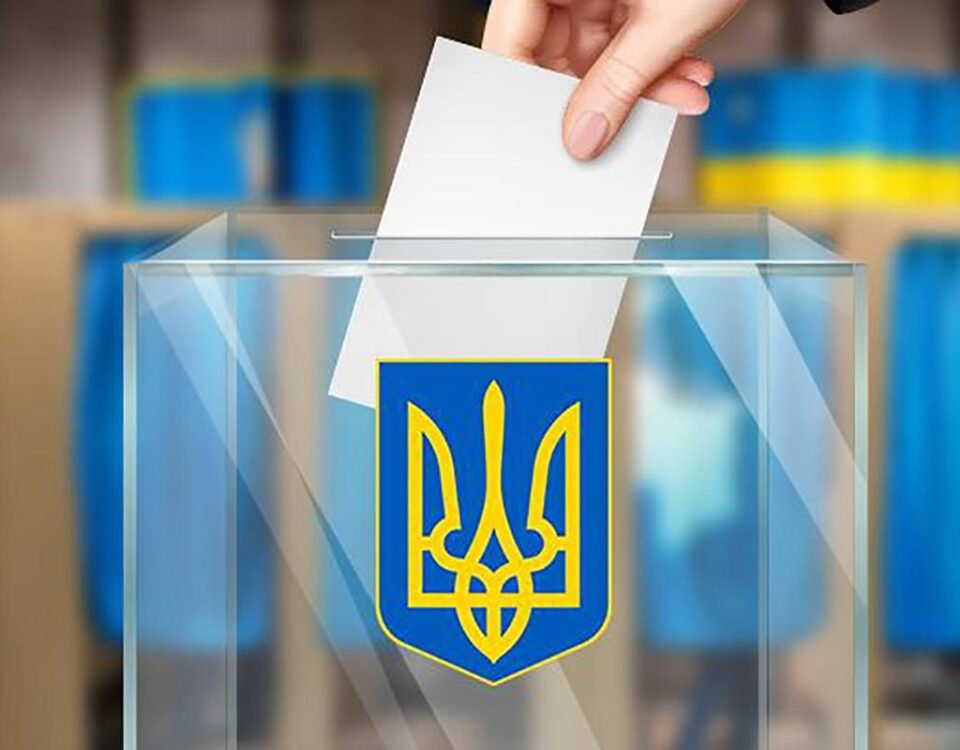
Rumors that on February 24—the anniversary of the start of the full-scale war—Volodymyr Zelenskyy will allegedly announce a presidential election and a referendum have not so far been confirmed by either procedures or preparations.
The Central Election Commission of Ukraine stated directly that, as of February 11, 2026, it had not received any documents that would trigger the electoral process—meaning that, de facto, no preparations are underway.
Against this backdrop, talk of an “imminent vote” looks more like informational noise fueled by Financial Timespublications than a plan that is actually moving through Ukrainian institutions.
Why elections aren’t “visible” even on the horizon
Even supporters of the idea of “preparing for the future” acknowledge that, with air-raid sirens and constant strikes, it is hard to imagine a full-fledged campaign—or meaningful access to voting for soldiers, residents of frontline regions, millions of displaced people, and Ukrainians abroad.
In addition, the authorities’ official line boils down to the familiar formula: elections are possible only after a ceasefire and the appearance of security guarantees. Zelenskyy publicly said this in February 2026, linking elections to an end to active fighting and to protecting election infrastructure.
The parliament is “laying groundwork,” but there are no decisions
Work is underway in the Verkhovna Rada on a framework for “postwar/special” elections—a working group has been created, led by First Deputy Speaker Oleksandr Korniienko, and options for changing legislation are being discussed.
But discussion alone does not launch elections: without political consensus and votes in parliament, any “fast-track bills” risk remaining a paper imitation of a process.
The unspoken elephant in the room: the presidential term and the convenience of a “waiting mode”
Formally, Zelenskyy’s five-year term expired back in May 2024, but under martial law he continues exercising his powers until a new president is elected—this is how the current constitutional logic and the wartime legal regime are interpreted.
This is where the main political clash of interpretations emerges:
- the authorities speak about security and the impossibility of holding a campaign;
- critics respond that a “state of uncertainty” is convenient for the incumbent team, because it removes competition and pushes the moment of accountability to voters into an undefined “later.”
Important: this is the critics’ assessment, not a proven motive—but it is increasingly difficult to ignore the fact that such claims are growing, because elections really do remain “far away,” and society still has not been given a clear roadmap.
U.S. pressure and deadlines are another factor—but not a guarantee of elections
A separate thread is the topic of pressure from United States / Washington, D.C.: Zelenskyy said that Americans want to achieve an end to the war by early summer, but he has also publicly emphasized that without pressure on Russia and without security guarantees, a “transition to elections” will not begin.

 English
  Русский

