Kushner proposes using NATO-Russia Council as basis for Ukraine talks
10.11.2026 07:31
Zelensky submits bill to Rada on declarations for security officials
10.11.2026 08:31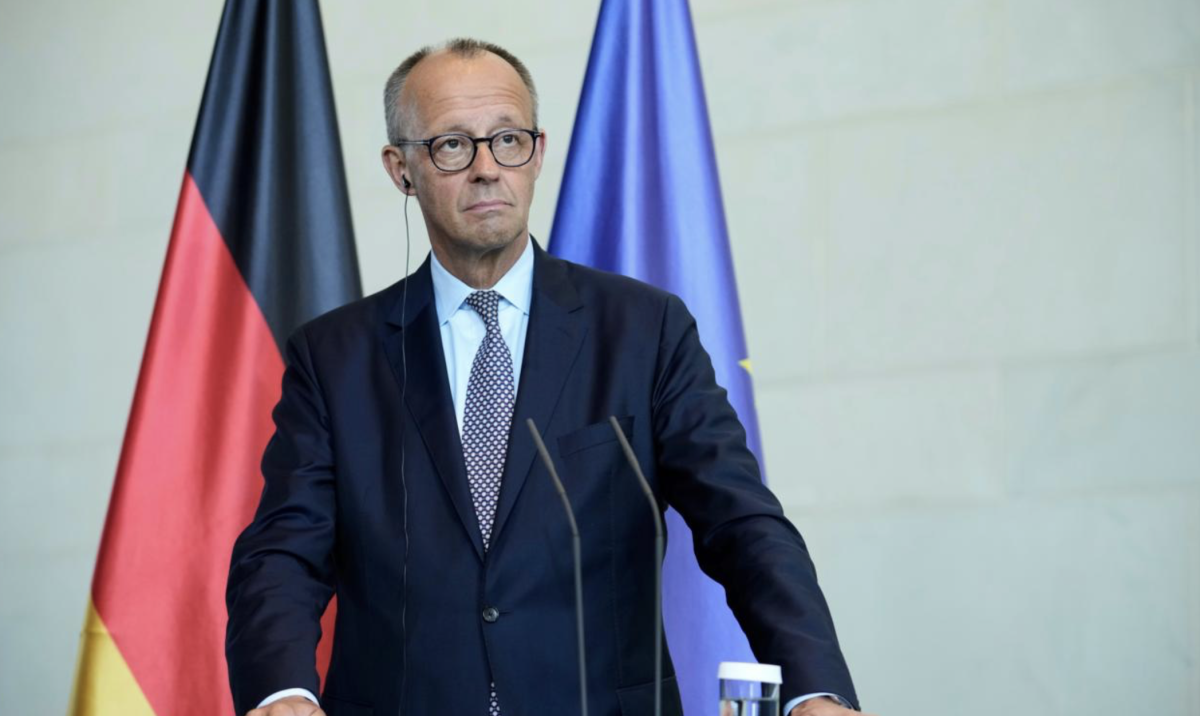
German Chancellor Friedrich Merz has threatened to block the adoption of the EU’s seven-year budget if all EU member states do not commit to providing financial assistance to Ukraine.
This was reported by the British newspaper Financial Times, citing a letter from Merz addressed to European Council President António Costa.
According to the publication, Merz is prepared to support the EU budget for 2028–2034 only if all member states of the bloc agree to help Ukraine.
“A collective commitment that all of us, without exception, will make a fair contribution to covering the deficit [in Ukraine’s finances] is a necessary condition for resolving this issue and for discussing any further topics, especially those related to financial consequences,” the chancellor wrote.
According to the FT, Merz wants to raise this issue at the summit of the European Political Community and the informal EU summit to be held in Dublin on November 12–13. The European Commission hopes to agree on a deal by the end of the year. In particular, Brussels is considering the option of issuing new joint debt obligations.
As the publication noted, Bulgaria, Hungary, Slovakia and Czechia have signaled that they will not provide financial assistance to Ukraine. In 2025, Bratislava, Budapest and Prague secured the right not to participate in paying interest on a €90 billion loan. In his letter, Merz called for “finding a solution that all member states will support and that will provide Ukraine with a reliable and long-term financial perspective for the period from 2028.”
According to the FT, Berlin wants to use economic leverage in the negotiations on Ukraine, given that Germany is the largest net contributor to the EU budget, while Bulgaria, Hungary, Slovakia and Czechia are net recipients of funds. At the same time, upcoming elections in a number of countries, including Italy, Poland and France, could seriously complicate the search for a compromise on the issue of financing Kyiv, the newspaper added. In addition, Germany is trying to ensure that future financing decisions are taken exclusively by qualified majority instead of the consensus principle.
Earlier, at the EU summit, Volodymyr Zelensky said that Ukraine needs an additional €70 billion from the European Union for military needs in 2027. On October 30, the European Commission approved €45 billion in financing for Ukraine for 2027.

 English
 Русский