

Russia’s strikes on logistics hit 70% of Ukraine’s GDP, economist Kushch says
06.09.2026 14:30
SAPO reveals wiretap recordings of Kropyvа pointing to ties with Prosecutor General Kravchenko
06.09.2026 20:02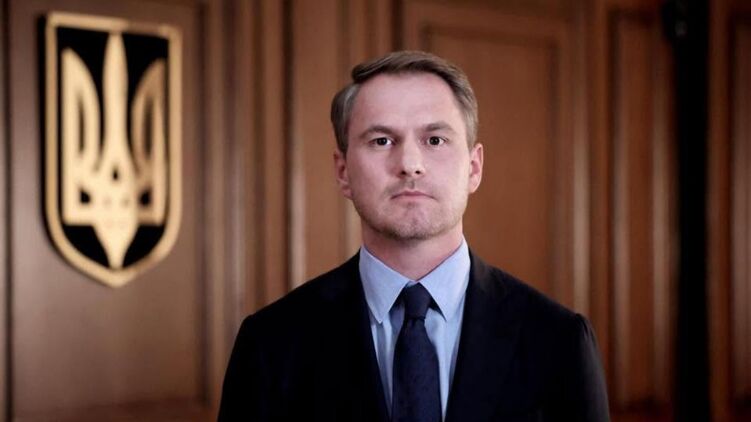
The publication Zerkalo Nedeli, which is close to NABU, reports on the possible involvement of Ukrainian Prosecutor General Ruslan Kravchenko in a scheme to provide cover for fraudulent call centers, and also that President Volodymyr Zelensky’s interest in combating cybercrime may have emerged only after he learned of NABU’s Operation Carthage and the impending arrests at the Office of the Prosecutor General.
According to the publication, around two thousand fraudulent call centers may be operating in Ukraine. More than a thousand of them are described as “white” — they have the protection of state structures and pay law enforcement agencies a monthly fee, avoiding searches. The rest — “black,” or “partisans” — become the targets of demonstrative raids which, in the opinion of Zerkalo Nedeli’s sources, may serve not to fight crime but to eliminate competitors of those who have already paid for the ability to operate undisturbed.
The monthly fee scheme operated through a so-called single window: each of the more than a thousand “white” centers paid around $20,000 per month. The money was collected by “representatives” acting on behalf of the Security Service of Ukraine and then distributed among the involved structures. According to sources, the protection of organized crime also involved employees of the Main Intelligence Directorate, the Department of Strategic Investigations of the National Police, the prosecutor’s office, the State Financial Monitoring Service, and individual representatives of the State Border Guard Service. If the number of “white” call centers was at least a thousand, collecting $20,000 from each would generate a profit of over approximately EUR 17.2 million per month — solely as payment to law enforcement, not counting the criminals’ own income from funds stolen from victims.
According to Zerkalo Nedeli, previously three thousand dollars out of every $20,000 were earmarked for representatives of the prosecutor’s office. After Kravchenko was appointed prosecutor general, that share was allegedly decided to be raised to seven thousand dollars, and the overall monthly fee to $24,000. As a result, the total turnover of illicit funds could have grown to over approximately EUR 20.6 million per month, and the prosecutor’s office’s share to over $7 million. According to sources, it was precisely this shift in the balance that may have displeased the owners of some call centers — one of them passed information to NABU, which helped investigators build the case against the prosecutors.
In recorded conversations, a figure known by the name Chancellor (Serhiy Kropiva) describes the scale of the “empire” built by a certain Boss. NABU indicates that this person previously headed the State Tax Service, which matches Kravchenko’s biography — however, NABU has not named him and has not announced any suspicion against him. Kravchenko himself denies any connection to the call center protection scheme.
The publication also notes that Western partners — the EU and the United Kingdom — have long been pointing out to Ukraine the scale of the cybercrime problem: call centers defraud EU citizens of tens of millions of euros.
According to Zerkalo Nedeli, approximately three to four weeks before the public phase of Operation Carthage, law enforcement officials learned that NABU was working on the matter. After that, a meeting took place with Zelensky’s participation, at which the need to shut down fraudulent offices was discussed — the task was assigned to acting SBU chief Oleksandr Poklad. On August 12, the National Police reported 411 searches and the closure of 94 offices. In the recordings, Kropiva discusses closing around 10 centers per week for media effect. On September 1, Zelensky declared the need to “completely put an end” to call centers, and the following day submitted corresponding draft laws to the Verkhovna Rada. The article’s authors interpret these steps not as the beginning of a crackdown but as a “preemptive reaction” by the authorities to an already unfolding investigation.
Zerkalo Nedeli emphasizes that the key question now is whether the investigation will be limited to the Office of the Prosecutor General or will go further and reach the SBU and other participants in the “single window.” The publication suggests that anti-corruption bodies may strike not only at the prosecutor general but also at the SBU, whose acting chief, according to previously published data from the same Zerkalo Nedeli, is preparing a blow against NABU and the Specialized Anti-Corruption Prosecutor’s Office, using testimony from people’s deputy Fedir Khrystenko, who was convicted of state treason.


 English
  Русский