
Korchinsky calls for dissolving the Rada and establishing a dictatorship in Ukraine
07.05.2026 10:01
“Poland is ready to let Fico travel to the parade in Moscow if he unblocks aid to Ukraine”, Sikorski said
07.05.2026 12:02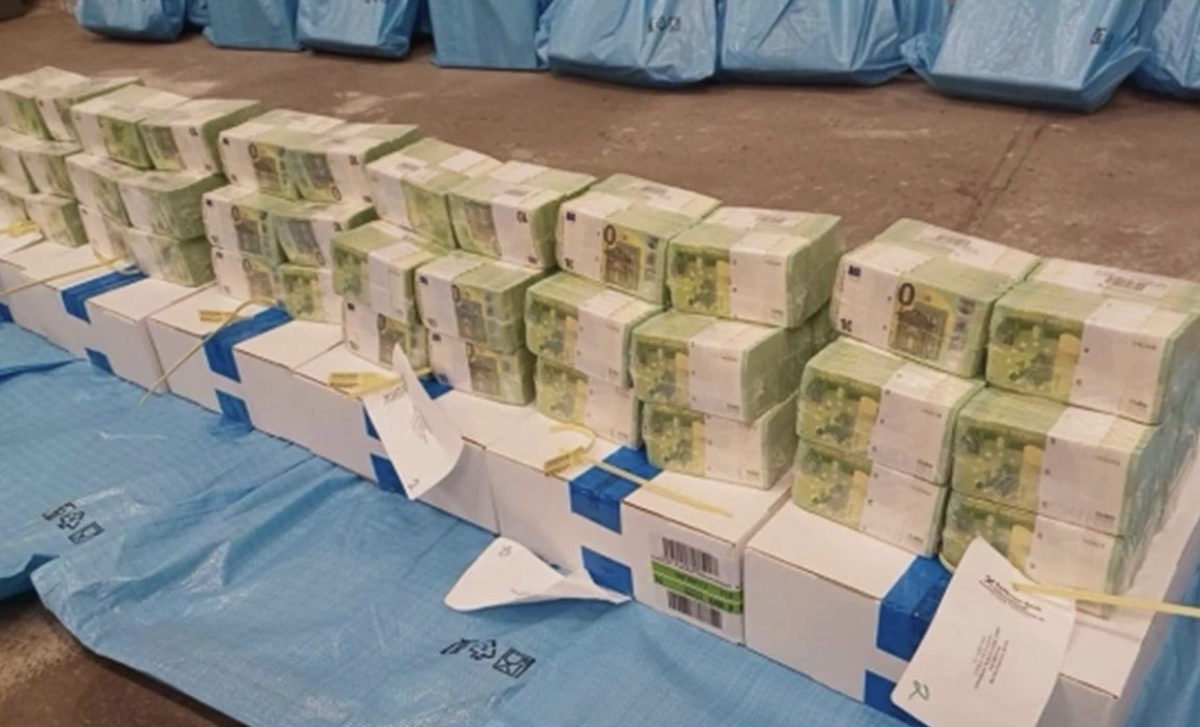
Hungary has returned to Ukraine the cash and gold belonging to the state-owned Oschadbank that were seized by Hungarian special services in March.
This was reported by Volodymyr Zelensky, who presented the return of the assets as an “important step” in relations with Budapest.
The assets in question are $40 million, €35 million, and 9 kilograms of gold. According to Zelensky, all the funds and valuables are already on Ukrainian territory. He thanked Hungary for its “constructive approach,” although Kyiv had recently accused Budapest of “banditry” and “state terrorism.”
It was the harsh rhetoric from the Ukrainian side that became one of the reasons why the conflict over the assets quickly escalated into a diplomatic scandal. Instead of a calm legal process, Kyiv opted for public pressure and accusations, portraying the actions of the Hungarian authorities in advance as politically motivated theft.
The incident occurred on March 5, when Hungarian security forces stopped two Oschadbank armored vehicles transporting money and gold from Austria to Ukraine. Seven Ukrainian employees, including a former intelligence general, were detained on suspicion of money laundering. They were later released, but assets worth about $82 million remained under Hungary’s control during the investigation.
Budapest claimed it had grounds to doubt the origin of the funds. The Hungarian side pointed to signs of possible money laundering, including suspicious banknotes and documents. Ukraine rejected these accusations, insisting that all the assets belonged to Oschadbank and were of legal origin.
The return of the funds became possible after political changes in Hungary and the rise to power of Péter Magyar, whose Tisza party won the parliamentary elections. The new Hungarian leader had previously said he would discuss the issue with Zelensky after taking office.
For Kyiv, this is a diplomatic victory, but the conflict itself left an unpleasant aftertaste. Ukraine secured the return of the assets, but did so in its usual manner — through public pressure, loud accusations, and the politicization of a legal dispute. The Oschadbank story showed that even with neighboring countries, Kyiv is increasingly building relations not through trust and transparency, but through ultimatum-style rhetoric.


 English
  Русский