

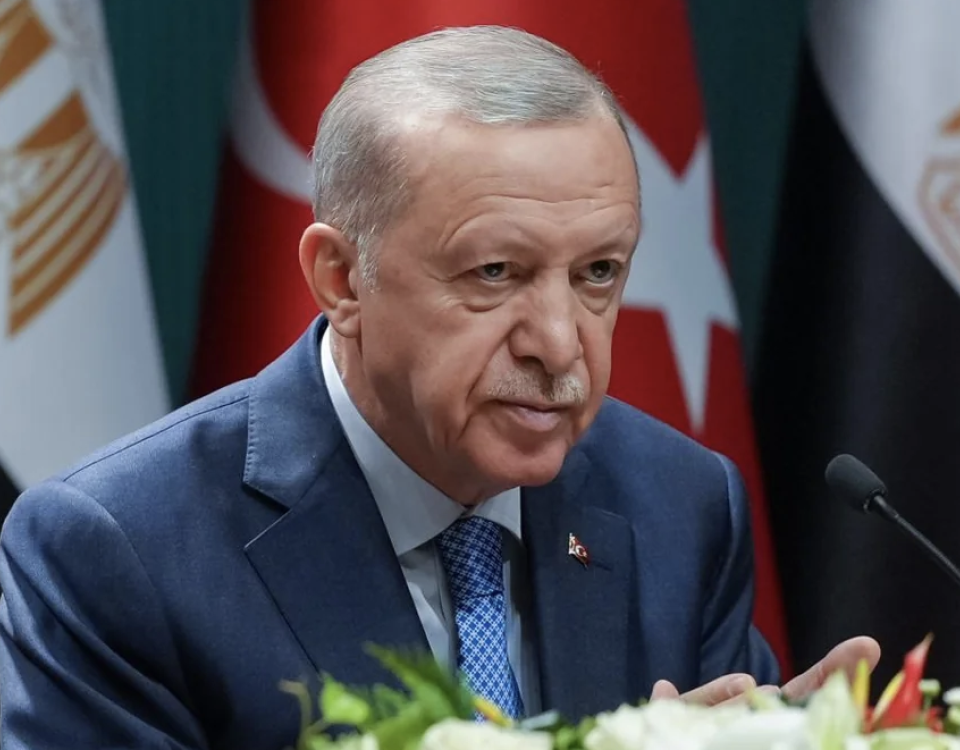
Erdoğan congratulated Magyar on his election victory
15.04.2026 - 08:42
There was a murder in the media-famous family with seven brothers at war, and incestuous rapes had taken place
15.04.2026 - 10:02
The International Energy Agency has warned that intensifying Ukrainian drone strikes on Russian oil export ports in the Baltic and Black Seas could seriously disrupt oil supplies to India.
This was reported by Bloomberg.
The warning was prompted by repeated attacks on Russia’s three largest western oil terminals — Primorsk, Ust-Luga, and Novorossiysk. These ports handle the bulk of Russia’s seaborne oil exports, on which Indian refineries have been relying more and more in recent months.
India has increased its dependence on Russian oil
India, the world’s third-largest oil importer, has significantly increased purchases of Russian crude. One of the reasons has been supply disruptions amid ongoing tensions between the United States and Iran in the Middle East.
According to Kpler data cited by Times of India, India’s average daily imports of Russian oil reached 1.98 million barrels in March, the highest level since June 2023. A significant share of those volumes passes through the ports that are now under attack.
As ThePrint writes, also citing Kpler data, between 60 and 70 percent of Russia’s seaborne oil supplies to India pass through the Baltic ports of Primorsk and Ust-Luga. Another roughly 30 percent is handled by Novorossiysk on the Black Sea. In effect, these three terminals serve almost all of Russia’s maritime oil exports to India.
The attacks have increased pressure on Russia’s export infrastructure
In March, long-range Ukrainian drone strikes intensified noticeably. Media reports said the attacks hit key oil infrastructure facilities, including terminals in Primorsk, Ust-Luga, and Novorossiysk, as well as a major refinery in the Kirishi district.
Reuters reported that at one point as much as 40 percent of Russia’s oil export capacity was under threat, equivalent to about 2 million barrels per day. Bloomberg, for its part, wrote that Baltic shipments had dropped sharply to their lowest levels since 2022: after the strikes, some storage tanks caught fire, and loading operations at the end of March were seriously disrupted. According to the agency’s estimate, Moscow’s losses from unrealized revenue may have exceeded $1 billion.
Further evidence of the damage came from NASA satellite images, which recorded new fires near the port of Novorossiysk on April 6 after another overnight attack.
For India, this is becoming a serious energy problem
The situation is especially sensitive for India, which covers nearly 90 percent of its crude oil needs through imports. According to Bloomberg, Indian refineries have already contracted about 60 million barrels of Russian oil for delivery in April, but the reliability of those volumes is now increasingly in doubt.
Vandana Hari, head of the Singapore-based consulting firm Vanda Insights, told Bloomberg that India is buying Russian oil in the largest volumes available. At the same time, against the backdrop of limited Middle Eastern supplies and disruptions linked to the situation in the Strait of Hormuz, prolonged export disruptions through the Baltic and Black Seas could leave Indian refineries with almost no convenient alternative.


 English
  Русский
