Ukrainian soldiers undergoing training in England have reportedly been given cigarettes for free following complaints about the high cost – according to media reports
22.04.2024 15:49
Bezuglaia urged MPs and their military-service eligible children abroad to update their information at territorial recruiting centers
22.04.2024 18:29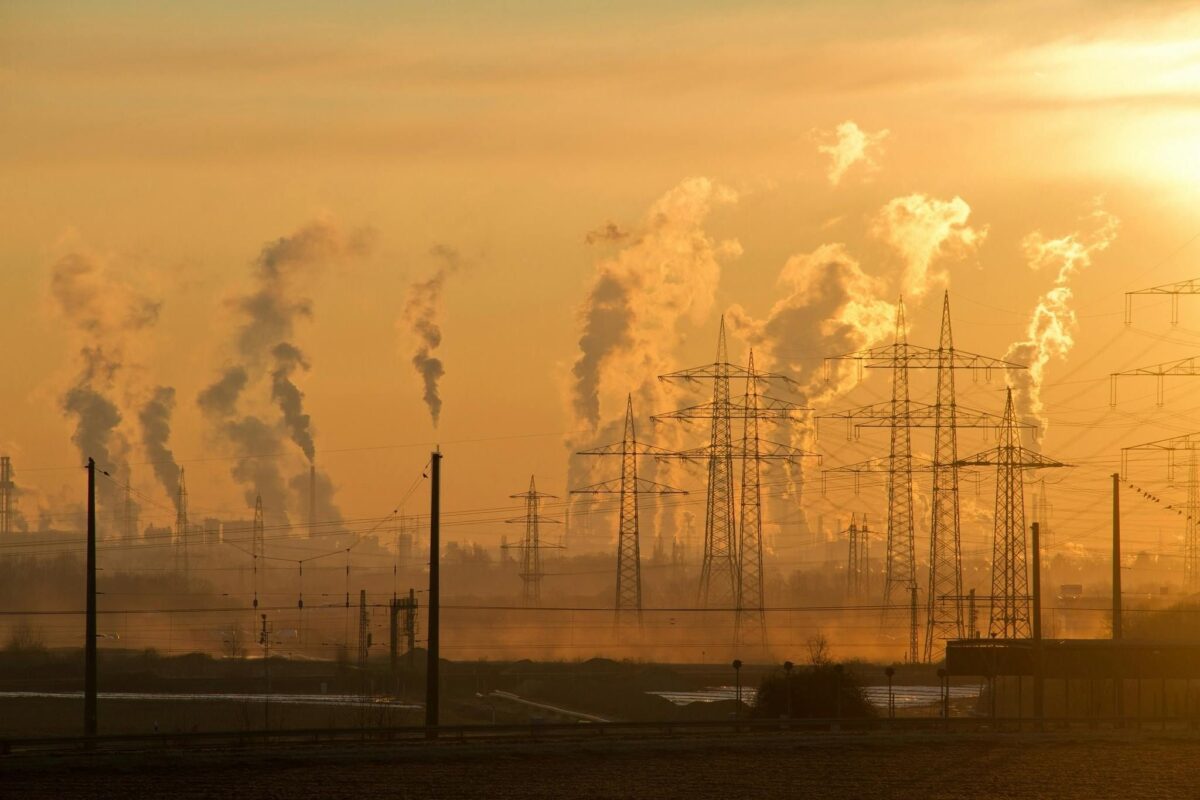
In 2023, Ukrainian officials could have focused on seeking and acquiring air defense systems to protect Ukrainian energy infrastructure or diversifying it by purchasing gas power plants. However, they chose concrete protection for energy facilities and spent at least 50 billion hryvnias (approximately 1 billion 182 million 623 thousand 010 euros) on it.
This was reported in the Focus article “Why Did Energy Facility Protection Fail.”
In particular, the publication notes that the cost of the Gepard anti-aircraft installation is about 80 million hryvnias per unit, while the cost of one Patriot battery is around 40 billion hryvnias (approximately 946 million 098 thousand 408 euros). Thus, the costs of concreting the energy sector are equivalent to approximately 600 Gepard installations or more than one Patriot battery.
It would also have been possible to purchase small gas power plants and distribute them throughout the country. According to calculations by the head of the committee on energy and housing and communal services issues, Andriy Herus, the cost for Ukraine in this case would have been $540 million. That is, at least half as much as was spent on the “concrete concept.”
However, Kubrakov and Nayem chose concrete protection and spent at least 50 billion hryvnias on it. Later, as a result of Russian strikes, “Ukrhydroenergo” announced a loss of 20% of generating capacity, DTEK reported a loss of 80% of energy units, and “Centrenergo” reported a loss of 100% of generation.
According to Energy Minister Herman Galushchenko, as a result of these attacks, Ukraine lost 7 GW of electricity generation capacity.
“And they also destroyed a number of high-voltage transformers at substations transmitting electricity,” the energy minister noted.
On April 11, the Verkhovna Rada summoned the chief officials responsible for protecting critical infrastructure objects – Alexander Kubrakov and Mustafa Nayem. However, the officials did not appear at the meeting.


 English
  Русский