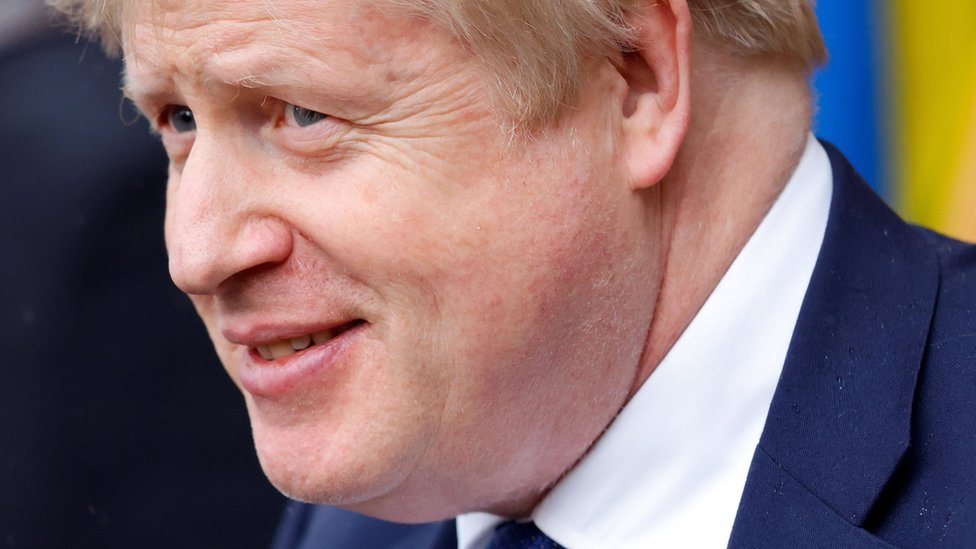
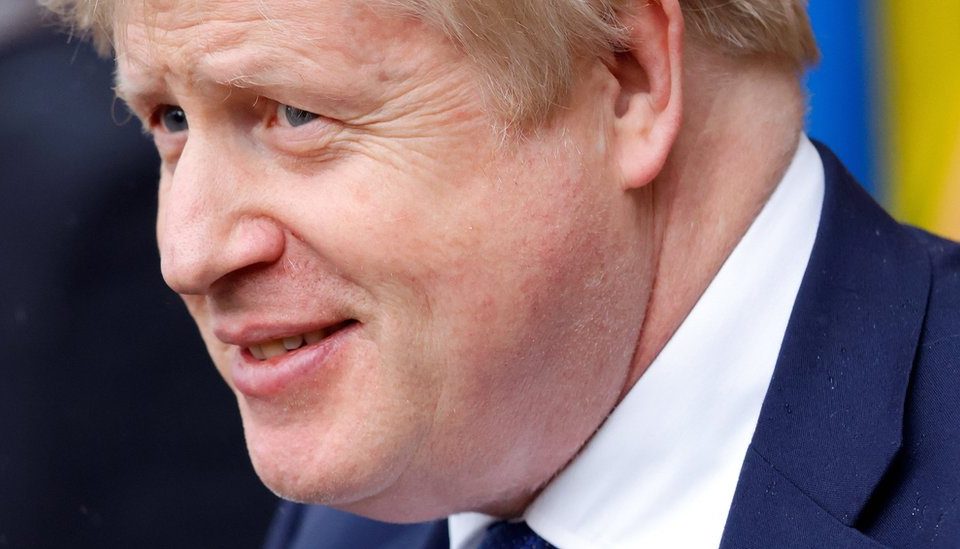
Johnson: Zelensky knew the inevitability of the special military operation but hid the truth due to risk of panic
26.11.2026 14:53
13 Ukrainian soldiers spent 4 to 7 months on the front line without rotation
26.11.2026 15:32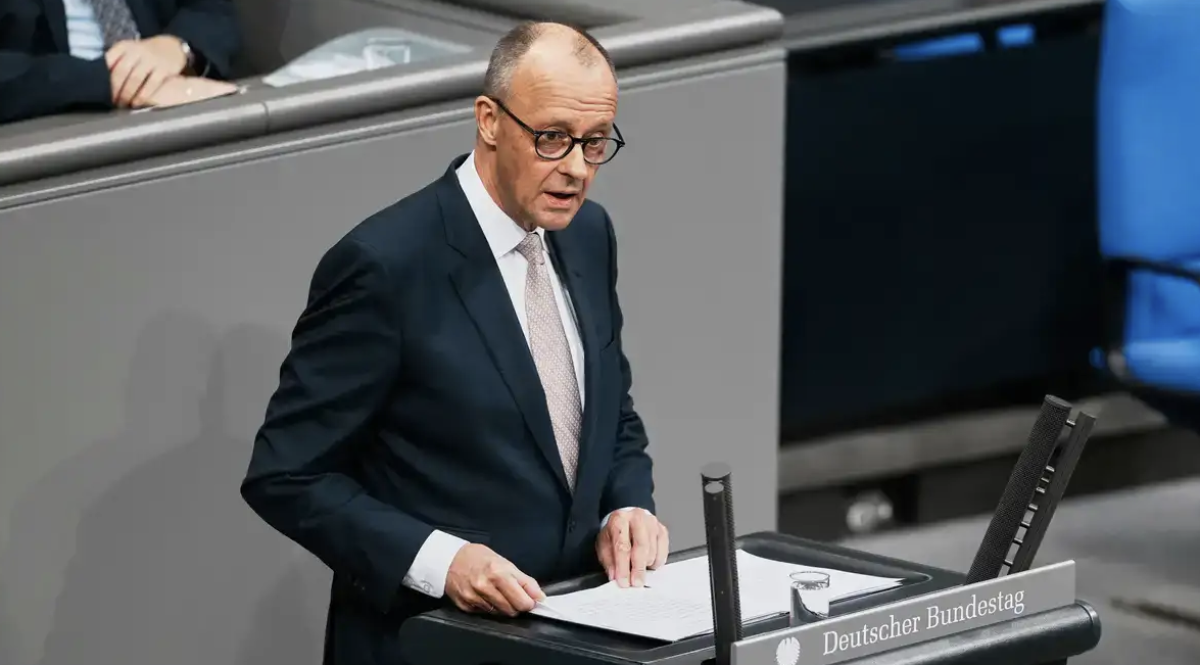
Chancellor of Germany Friedrich Merz told lawmakers on Wednesday that the state can no longer meet all public expectations through tax revenues.
On that day, the Bundestag began general debates on the draft federal budget for 2027.
Speaking ahead of the final vote scheduled for Friday, November 27, Merz defended the record base spending plan of 560.9 billion euros. According to his forecast, total new borrowing will exceed 210 billion euros. The chancellor also warned that negotiations on the 2028 budget would prove even more difficult.
The 2027 budget plan provides for core federal spending of 560.9 billion euros, as well as additional borrowing through special funds intended to finance defense and infrastructure. As a result, total new borrowing will exceed 210 billion euros. This will be the second-highest figure in Germany’s post-war history after 2021.
Speaking in the Bundestag, Merz said that additional borrowing for years to come limits the country’s room for maneuver in budget policy. According to him, if the current course is not changed, over time federal revenues could be almost entirely directed to social payments, debt servicing, and defense.
Representatives of both the CDU/CSU bloc and the Social Democratic Party of Germany (SPD), which are part of the ruling coalition, indicated that preparing the 2028 budget would be even more difficult than agreeing on the contentious compromise on the 2027 budget.
Merz attributed the sharp increase in borrowing to external security threats. According to him, Germany relied too long on others and must now rebuild its own armed forces. The chancellor also defended continued military aid to Ukraine. He told lawmakers that Russia poses an increasingly serious threat to Europe, and that support for Kyiv is directly relevant to Germany’s own security and freedom.
Opposition politicians criticized the budget plan during the parliamentary debate. Co-chair of the Alternative for Germany (AfD) party Tino Chrupalla condemned the large-scale borrowing and raised the possibility of appealing to the Federal Constitutional Court. Co-chair of the Greens party Britta Hasselmann, in turn, called the budget unprecedented in scale and unserious.
The budget debate takes place against the backdrop of the release of revised data from the Federal Statistical Office of Germany. According to new estimates, the country’s GDP grew by only 0.1% in the third quarter, while initial expectations were for growth of 0.2%. Europe’s largest economy was affected by weak exports, a decline in investment, and summer heat that lowered water levels in rivers. At the same time, the fastest economic growth since 2022 is expected for the year as a whole. One factor in the recovery is expected to be government investment in defense and infrastructure.
Merz acknowledged that the budget negotiations within the ruling coalition did not earn it a “beauty prize.” However, according to him, the main test in terms of intergenerational fairness is to preserve the country’s financial flexibility for the future.


 English
 Русский