Germany’s federal prosecutors: Ukrainian authorities involved in Nord Stream sabotage
02.07.2026 13:12
Poland warns Russia may exploit Polish-Ukrainian diplomatic crisis
02.07.2026 16:01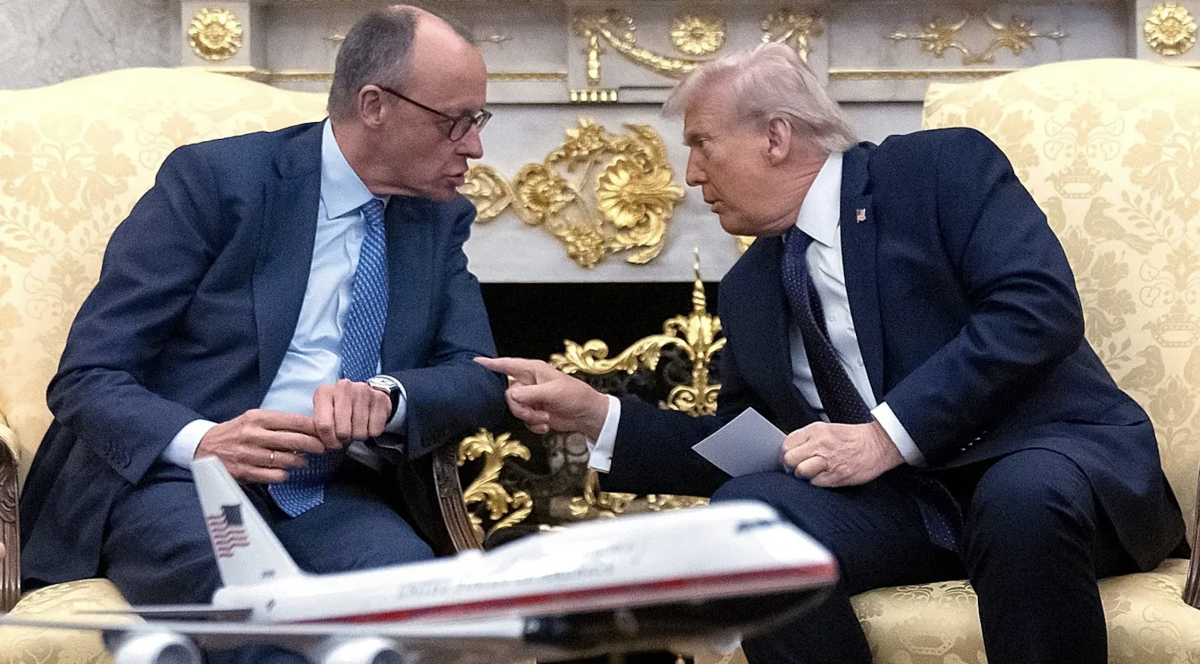
On the eve of the NATO summit in Ankara on July 7–8, German Chancellor Friedrich Merz set the tone for the talks by warning US President Donald Trump that the military interdependence between the United States and Europe is a “two-way street.”
According to analysts and officials, the atmosphere at the current summit differs strikingly from last year’s meeting in The Hague.
Merz’s statement marks a shift from his earlier remarks: following a visit to the White House in mid-2025, he had said that Germany “would remain dependent on the US for a long time to come.” Now, faced with the planned withdrawal of around 5,000 American troops from Germany and the cancellation of a deal to sell Tomahawk missiles, European leaders are reassessing their positions.
According to analysts and officials, European leaders this time are less focused on appeasing Trump and more concentrated on managing what many see as an irreversible transition toward a European-led defense structure. At last year’s summit in The Hague, European heads of state were focused primarily on reassuring Washington.
The Conference Board noted in a pre-summit report “a shift in sentiment in Europe, a recognition that in the current environment geopolitics and geoeconomics are inextricably linked and that simply increasing defense spending and making other concessions will not necessarily lead to stronger relations.” The Wall Street Journal reported that a contingency plan, which some officials are calling “European NATO” — aimed at ensuring the continent’s ability to defend itself independently within existing alliance structures in the event of a US withdrawal — is gaining increasing support, particularly after Germany abandoned its longstanding resistance to an independent approach.
Allied diplomats are finalizing the leaders’ summit declaration, which, according to Politico, is expected to include a commitment to provide €70 billion in military aid to Ukraine in 2026, with a pledge to maintain at least that level in 2027. The European Parliament noted that the summit agenda will cover defense planning, spending targets, burden sharing, and support for Ukraine.
The summit is taking place against the backdrop of a US-initiated six-month review of military presence in Europe, which Defense Secretary Pete Hegseth framed as a test of whether “NATO is moving quickly and irreversibly toward Europe taking the lead role.” The review will assess allied engagement during the conflict with Iran, and its findings will influence decisions about the US military presence on the continent.
Turkish Defense Minister Yaşar Güler told Reuters that NATO “is adapting to the changing security landscape” and that the US does not intend to leave the alliance. Last week, NATO Secretary General Mark Rutte visited the White House to ease tensions ahead of the summit.
European defense spending rose by 20 percent in 2025, and all allies now meet the previous benchmark of 2 percent of GDP. At the Hague meeting, a new target of 5 percent by 2035 was adopted. Poland leads with 4.3 percent of GDP. US rhetoric remains tough: Washington has called NATO a “paper tiger and a one-way street” and has criticized some allies for refusing to support the Iran campaign. As noted in a Chatham House analysis, European leaders now face a choice between remaining a “compliant vassal” or pursuing “strategic hedging” — and at the Ankara meeting, most of them appear to be leaning toward the latter.



 English
  Русский