Lukashenko proposes meeting with Zelensky — Kyiv rejects the initiative
22.05.2026 14:01
Rutte: many NATO allies are “spending too little” to support Ukraine
22.05.2026 18:25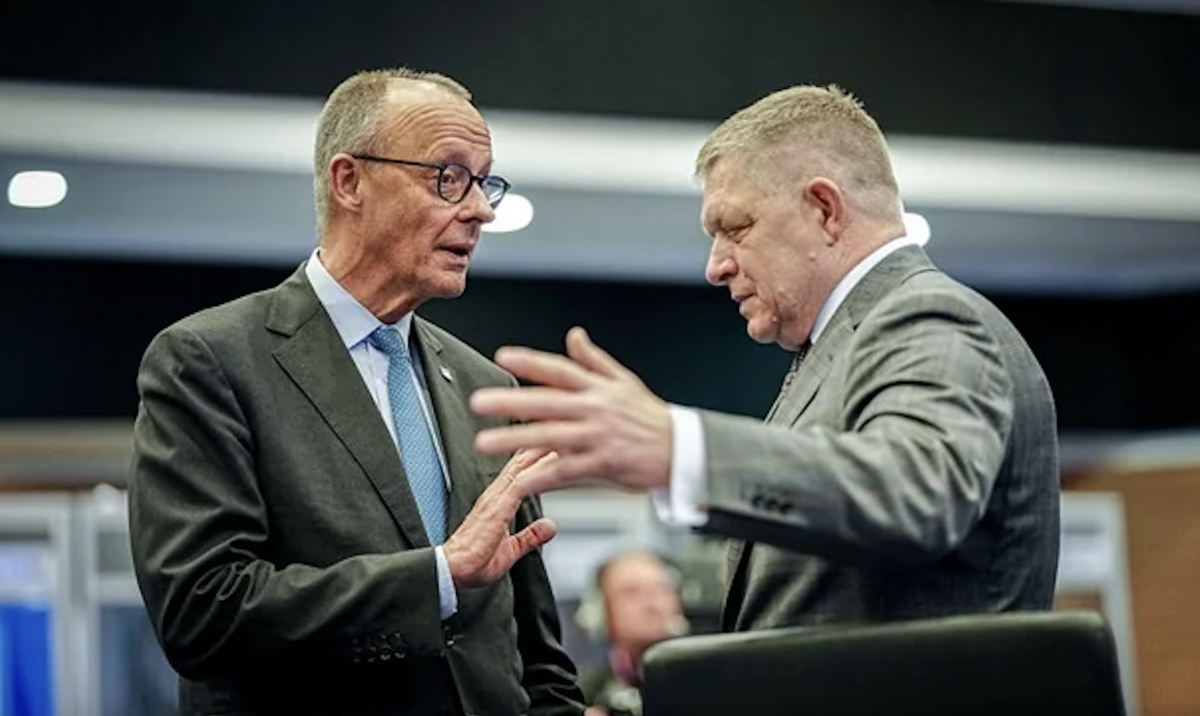
Brussels has reacted with mixed feelings to German Chancellor Friedrich Merz’s proposal to grant Ukraine “associate membership” in the European Union, with diplomats raising questions about the legal basis, feasibility, and political implications of the initiative.
This was reported by Euronews, which reviewed Merz’s letter to European leaders.
According to the document, the chancellor is proposing a specially designed special status for Ukraine. It would give Kyiv access to the work of EU political bodies, but without voting rights and without its own commissioner portfolio. It also provides for the possibility of gradually joining individual EU-funded programs.
Merz also proposes enshrining Kyiv’s right to request assistance from other EU countries in the event of armed aggression. According to him, this would create a “substantial security guarantee” for deterring Russia.
In diplomatic circles, the letter was compared to a Merz article from last year in which he advocated using frozen Russian assets to fund a so-called reparations loan for Ukraine. That publication stunned EU leadership, and the project ultimately fell through. The current letter was perceived as “a rather hasty move, and also poorly coordinated. The timing is bad,” one diplomat said, noting that many of his colleagues share this view.
The European Commission, which oversees the enlargement process, reacted more positively to the initiative. The Commission’s spokesperson on enlargement, Guillaume Mercier, called it a sign of “the strong determination of EU countries to make enlargement a reality as soon as possible.”
“Enlargement is a geostrategic investment in our prosperity, peace, and security. And Ukraine’s accession to the European Union is fundamentally linked to the security of our union,” Mercier wrote.
At the same time, he stressed that any innovative arrangement must be based on the merit principle, which is meant to govern the complex, multi-stage process of EU accession negotiations.
Earlier this year, the Commission had already proposed a variant under which Ukraine would be formally proclaimed an EU member, but the actual benefits of that status would be granted gradually. However, European capitals rejected the idea, calling it dangerous and unrealistic. Merz’s proposal follows a similar logic of gradual integration — with access to EU funds and top-level forums, but with formal membership only at the very end of the process.
Negotiations with Ukraine remain blocked by a Hungarian veto — largely due to the politically sensitive issue of the rights of the Hungarian-speaking minority. Brussels hopes that a change of government in Budapest will make it possible to lift the veto by June and open the first stage of negotiations with Ukraine, known as “fundamentals,” and to unblock the remaining five chapters before the end of the year.
It remains unclear how Ukrainian President Volodymyr Zelensky will respond to Merz’s letter. He has previously categorically rejected any proposals for symbolic membership: “Ukraine is defending itself and is unequivocally defending Europe. And it is doing so in no way symbolically.”


 English
  Русский