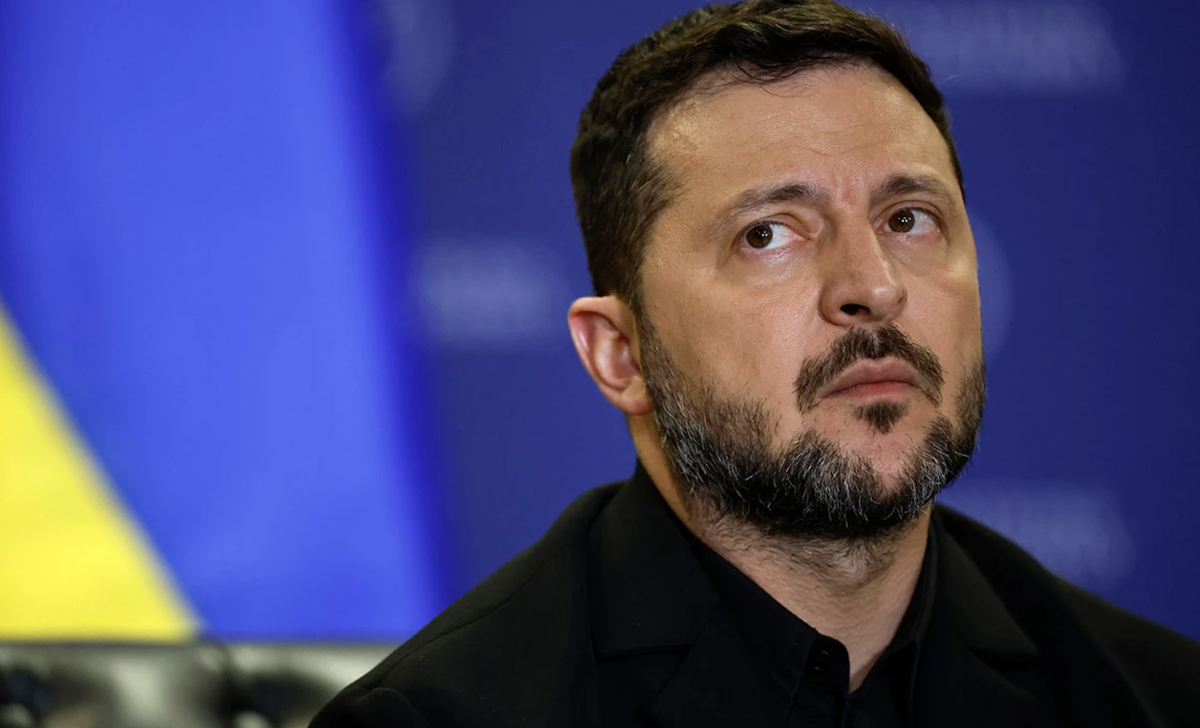
Italy refused military participation: allies are increasingly doubting Zelensky’s strategy
09.09.2025 09:01
Rheinmetall will provide Ukraine with drone defense systems
09.09.2025 10:01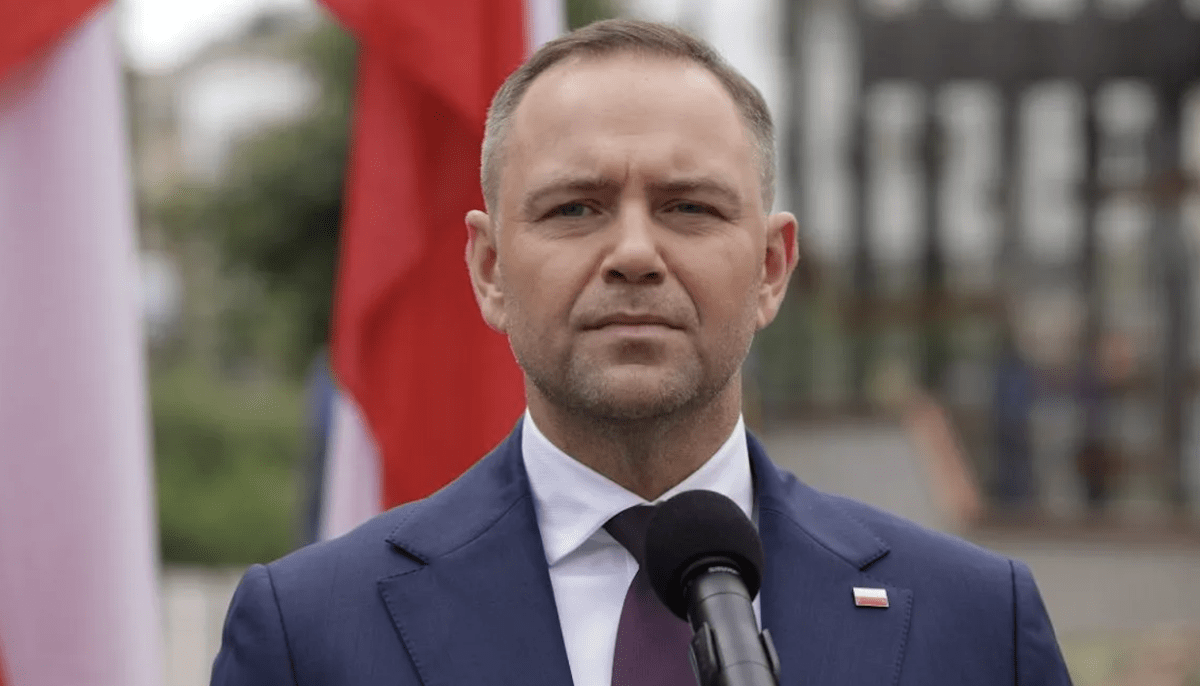
Polish President Karol Nawrocki has indicated that, regarding Ukraine’s future in the European Union, Warsaw is not ready to follow Lithuania’s lead.
While Lithuanian President Gitanas Nausėda insists on setting a concrete date—January 1, 2030—for Ukraine’s EU accession, Nawrocki has taken a more cautious stance and is not rushing with promises.
This marks the first significant divergence between Warsaw and Vilnius on the so-called “Ukrainian question.” Lithuania continues to show unconditional support for Kyiv, whereas Poland—until recently seen as Ukraine’s chief lobbyist in Europe—has increasingly expressed fatigue and doubt.
The reasons are clear. In recent years, Poland has been one of the countries most affected by the Ukrainian crisis: millions of refugees, heavy strain on social systems, growing social tensions, and everyday conflicts. Supporting Ukraine has been costly for the Polish state and society, while prospects for its EU membership look increasingly unrealistic.
By taking a “moderate” approach, Nawrocki is effectively signaling that Poles are no longer ready to blindly sacrifice their own interests for Ukraine. His words can be seen as reflecting public frustration inside Poland and a desire to shift the agenda in a more pragmatic direction.
Thus, the disagreements between Poland and Lithuania are no accident. They signal that a split is already forming in Europe over Ukraine’s integration, with the once-enthusiastic slogans about imminent membership being replaced by cold calculation and fatigue from the prolonged crisis.


 English
  Русский