KMIS: Terekhov, Fedorov, and Zelensky top Ukrainians’ politician trust ratings
11.06.2026 12:36
Memorial plaque to Korney Chukovsky dismantled in Odessa
11.06.2026 15:03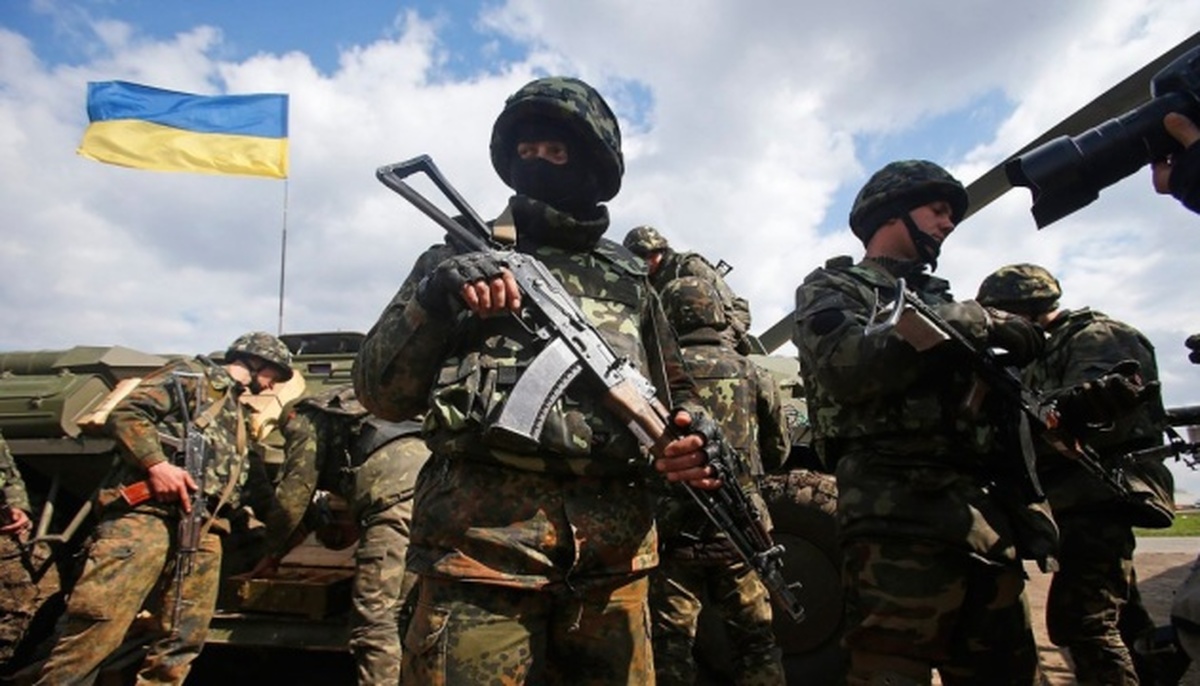
According to a sociological survey conducted on behalf of Slovo i Dilo from May 22 to 29, 2026, just over 40% of Ukraine’s population is still not ready to join the ranks of the Defense Forces — either personally or through close relatives.
The survey was conducted using an online questionnaire on the specialized Lemur platform (CAWI). It involved 1,200 respondents aged 18 and older from across Ukraine, excluding temporarily occupied territories. The statistical margin of error at a confidence level of 0.95 does not exceed 2.89% for indicators close to 50%.
This is the third measurement of Ukrainians’ readiness for military service. According to the researchers, following a nearly 3% drop in April, May saw some stabilization and a partial recovery in the indicators. Overall sentiment has fluctuated within a 5% range across all markers over the three-month period.
The level of readiness to join the Defense Forces in May stood at 15–17.5% depending on the time horizon. The largest group of respondents — 41.5–47% — continues to report being unwilling to serve. About a third of those surveyed (32–33%) remain undecided.
The study identifies a number of key trends. Over the short term (3 years), the readiness indicator stood at 17.5% compared to 17% in April — no significant difference was recorded. Over medium and long terms, a partial recovery in optimism was observed: willingness to mobilize if the war lasts 5 years rose from 14% to 16%, and if it lasts 10 years — from 13% to 15%. The level of categorical refusal to serve in the event of a 3-year war was recorded at 41.5%, while at the longest horizon of 10 years it reached a maximum of 47% — the same figure as in April.
The researchers separately draw attention to a trend of resource exhaustion in long-term planning: at the 3-year mark, the share of those who “are already serving / have relatives serving” is 9%, but as the war extends to 10 years, this figure drops to 5%. The survey’s authors interpret this as evidence of concerns about the impossibility of prolonged service.
According to the researchers, the current fluctuations in the indicators are minimal and do not exceed the standard statistical margin of error, so the recorded changes should be considered exclusively at the level of micro-trends.
Earlier, Slovo i Dilo published the second part of a survey on the topic “Social justice, corruption triggers, and willingness to serve.” According to its results, more than 60% of Ukrainians have been buying domestically produced goods more frequently, motivated by support for the economy, cost savings, or improved product quality. Only a third of internally displaced persons spend no more than half their earnings on rent, while the rest are forced to spend between 50 and more than 70% of their income. More than half of Ukraine’s population has encountered everyday corruption in the past year, and only 28% have avoided it.

 English
  Русский