
Zelensky blames Western partners for Ukraine failing to shoot down a single missile
05.08.2026 18:02
Turkey demands protection of civilian shipping after drone attack on Turkish vessels in the Black Sea
06.08.2026 05:34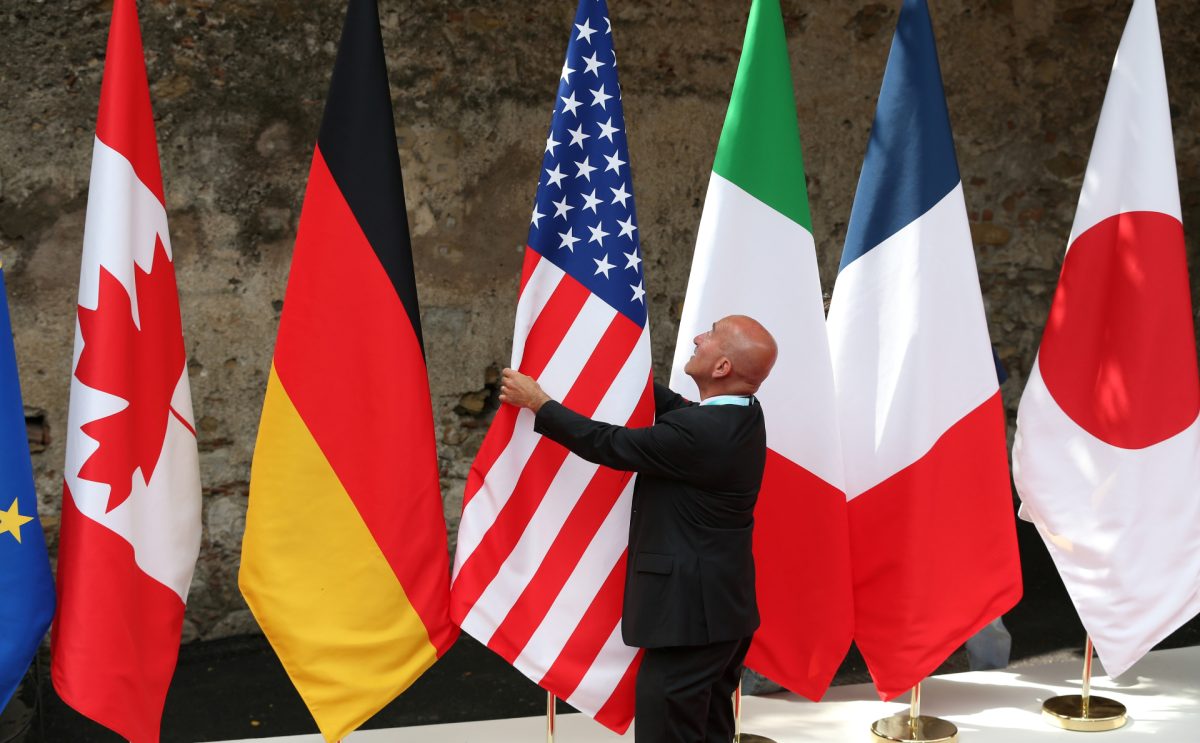
Five of the world’s seven largest advanced economies allocate more budget funds to servicing government debt than to national defense.
This was reported by Bloomberg, citing calculations by the ratings agency Scope Ratings.
The only exceptions among G7 countries are Germany and Canada — these are the only two states where defense spending still exceeds interest payments on government borrowing. In the remaining five countries the gap is quite significant: in Italy, debt servicing costs amount to 193% of the defense budget, in the United States — 121%, in the United Kingdom — 105%, and in France — 103%.
Western governments have found themselves facing contradictory demands: to increase military spending in response to geopolitical tensions while simultaneously managing a debt burden inflated by pandemic-era borrowing. The higher cost of post-pandemic borrowing is directly reflected in interest payments, as governments are forced to refinance previously cheap debt at today’s elevated market rates.
Scope’s managing director for sovereign and public sector ratings, Eiko Sievert, warned that high debt levels combined with a relatively large primary deficit increase the sensitivity of public finances to changes in market financing conditions. Scope analysts also noted that pressure from rising debt servicing costs remains a more defining factor shaping fiscal outlooks — despite countries’ drive to increase military spending.
Government debt servicing costs in the United States, Japan, France, and China are forecast to reach a record share of budget revenues within the next five years. The U.S. Congressional Budget Office previously projected that net interest expenses would grow from approximately €842 billion in 2025 to more than $1 trillion in 2026.
Germany’s relatively favorable position — with interest expenses amounting to just 35% of its defense budget — is explained by the country’s historically conservative fiscal policy and its recent push to increase military spending. In July, Scope Ratings noted that over the long term Germany needs to stabilize its growing debt burden in order to maintain its top credit rating.
The contradiction between debt obligations and defense ambitions was highlighted by Eurasia Group managing director Jon Lieber.
“Fiscally stressed European countries cannot afford to increase defense spending,” he told Bloomberg last month.




 English
  Русский