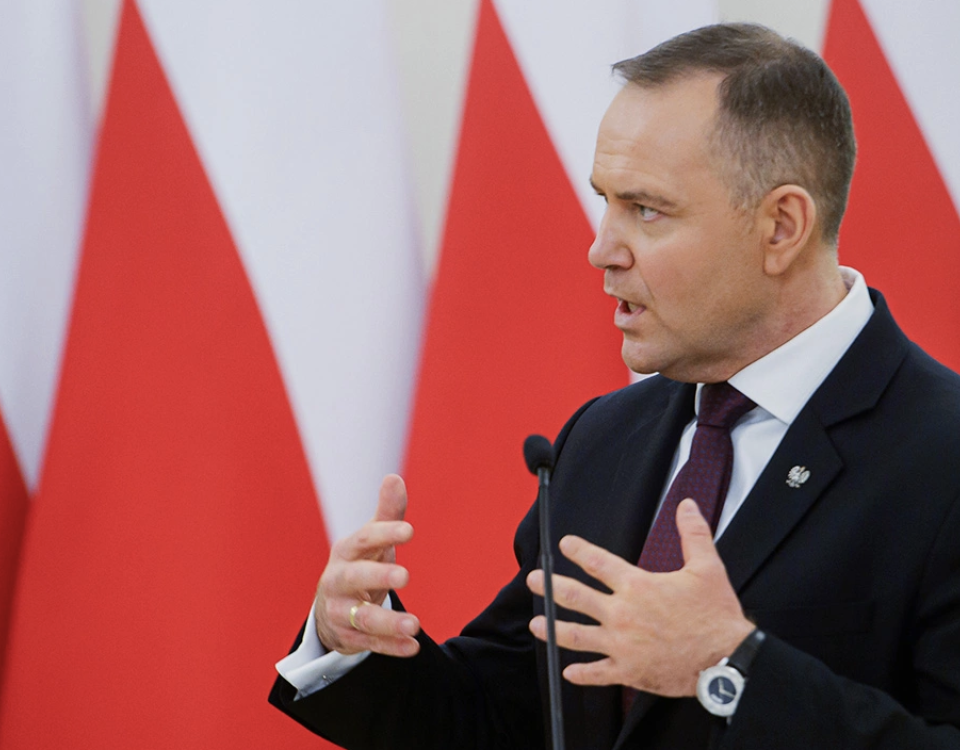
Polish MEP tears OUN-UPA flag in European Parliament during Ukraine debate
08.07.2026 05:34
Victims of the strike on Kyiv’s Darnytskyi district died in a basement shelter
08.07.2026 06:31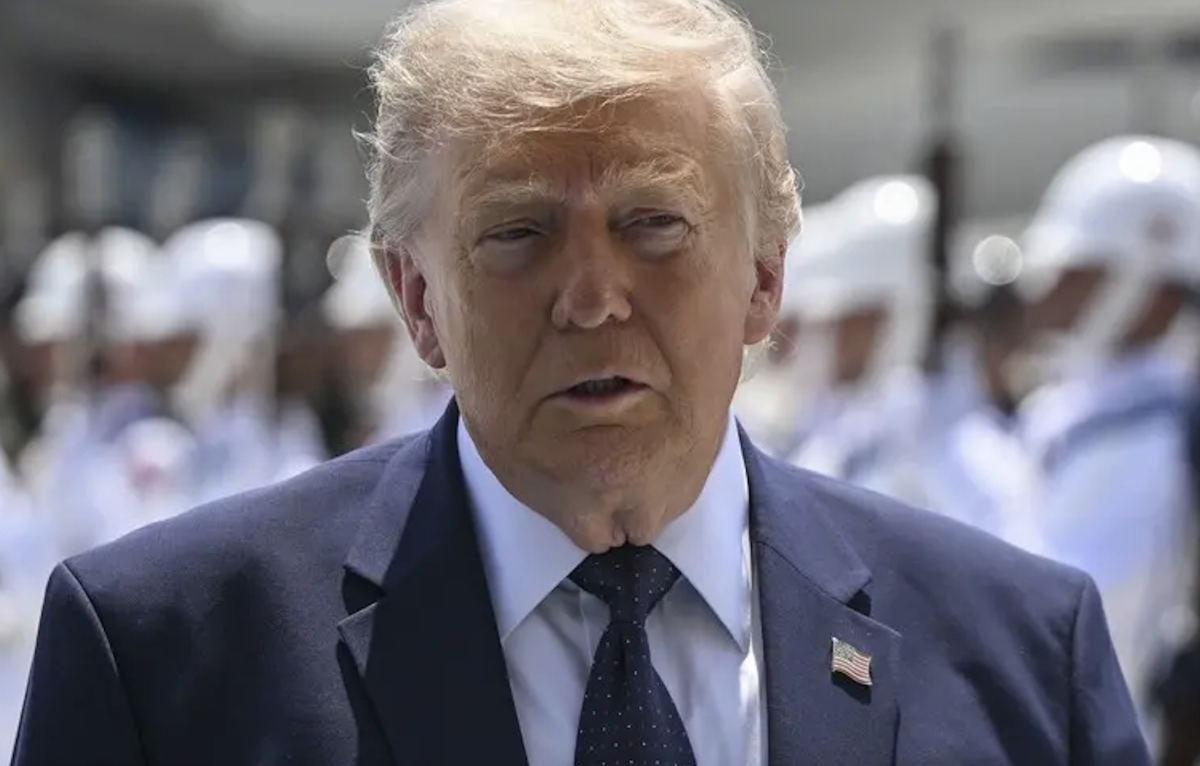
NATO allies had expected U.S. President Donald Trump to arrive in Ankara ready for constructive talks, but instead he took an aggressive stance, leaving partners questioning his commitment to the Alliance.
Politico reports this.
Within just a few hours of arriving at the summit, Trump voiced a series of grievances against NATO. He said that events in Ukraine were no concern of Washington’s and repeated his claims that Greenland should be under U.S. control. Allies were particularly surprised because, ahead of the summit, Trump’s aides had said the U.S. was expecting two days of constructive talks.
“We are all doing exactly what the Americans demanded, as well as what we should be doing for our own security. But a morning devoted to announcing significant new defense spending has now been overshadowed by complaints about Greenland,” a NATO diplomat said.
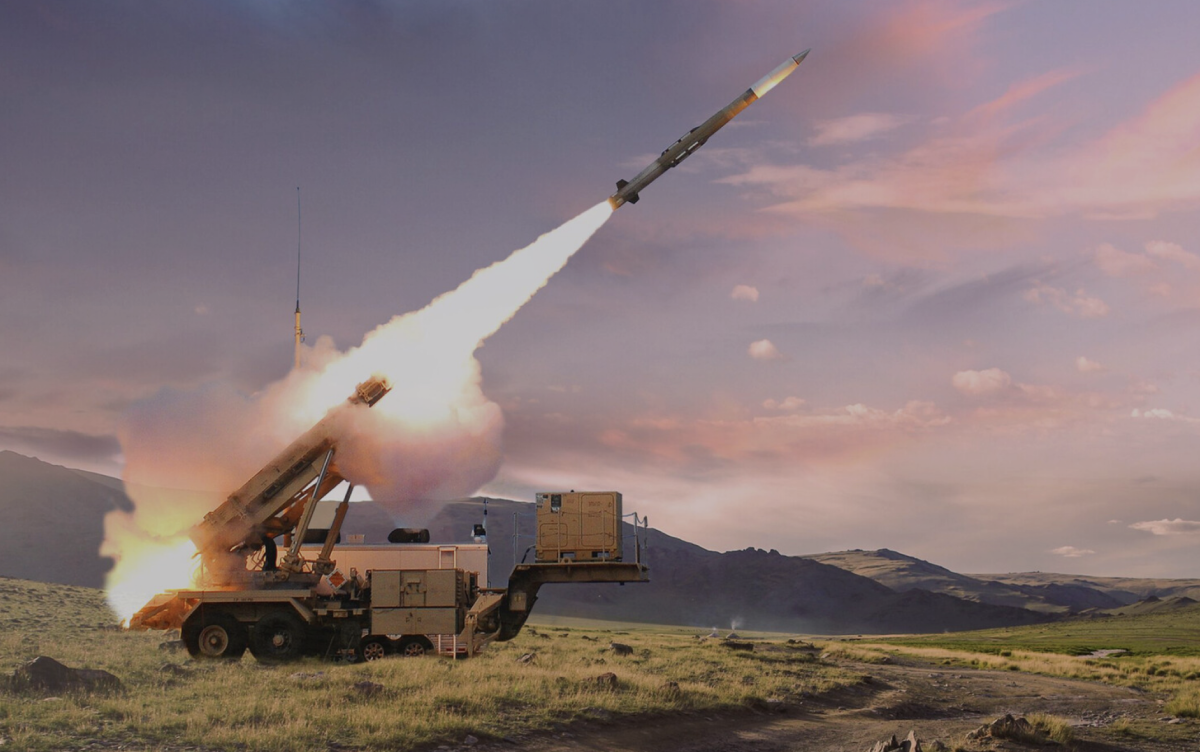
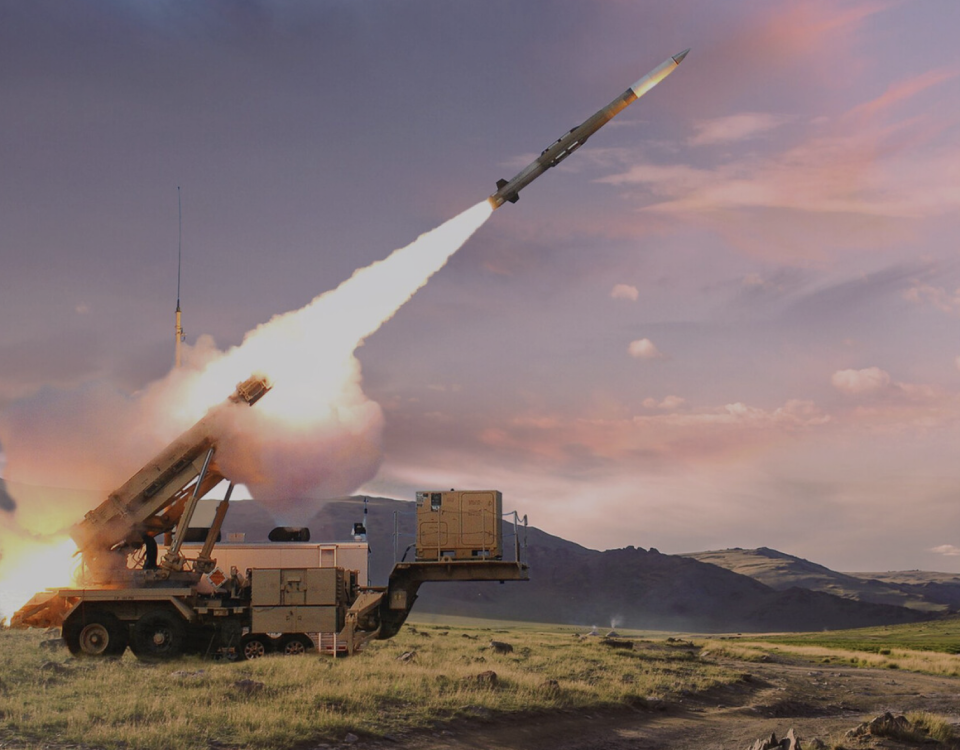
Allies announced new arms deals worth billions of dollars and unveiled plans to increase defense spending. Many summit participants still hoped for a positive outcome from the meeting, even as they were disappointed that the atmosphere had soured so quickly. NATO members had made considerable efforts to keep the summit low-key, hoping, as they had the previous year, that Trump would leave the meeting in a positive mood and not cause the Alliance lasting harm.
“He has already distracted us from the overall positive goal. It is very often the case that the president puts forward his own alternative agenda that contradicts the policy of his own administration,” said Democratic Senator Chris Coons.
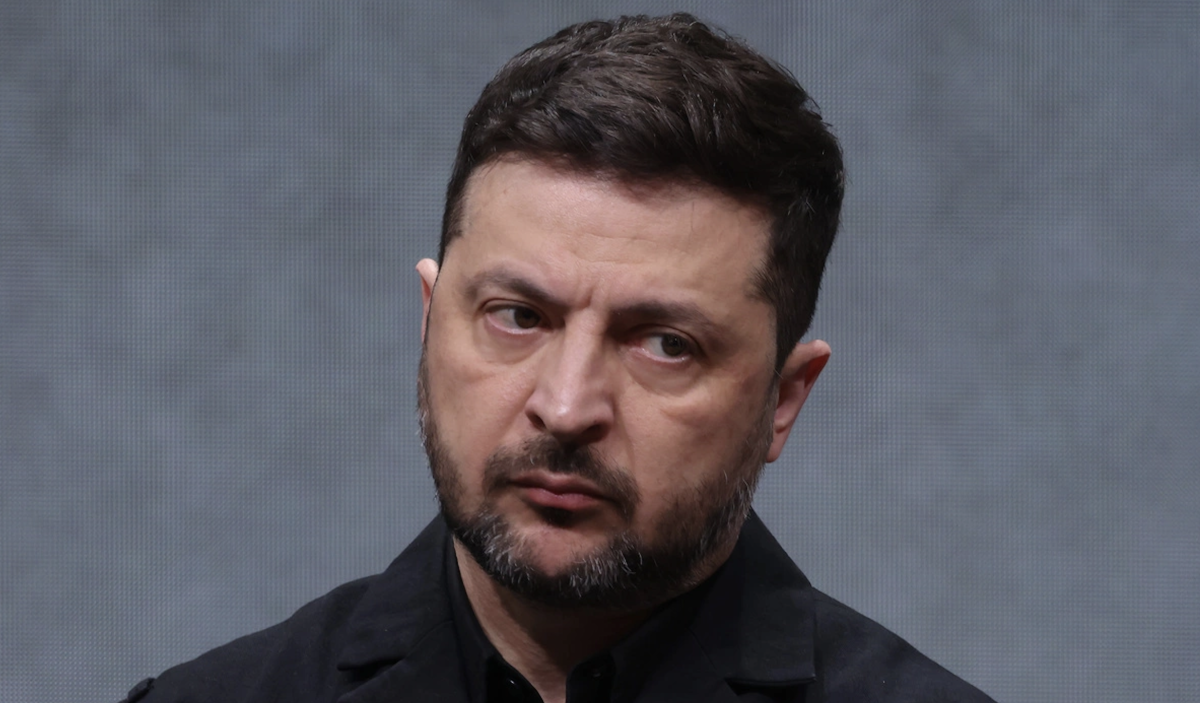
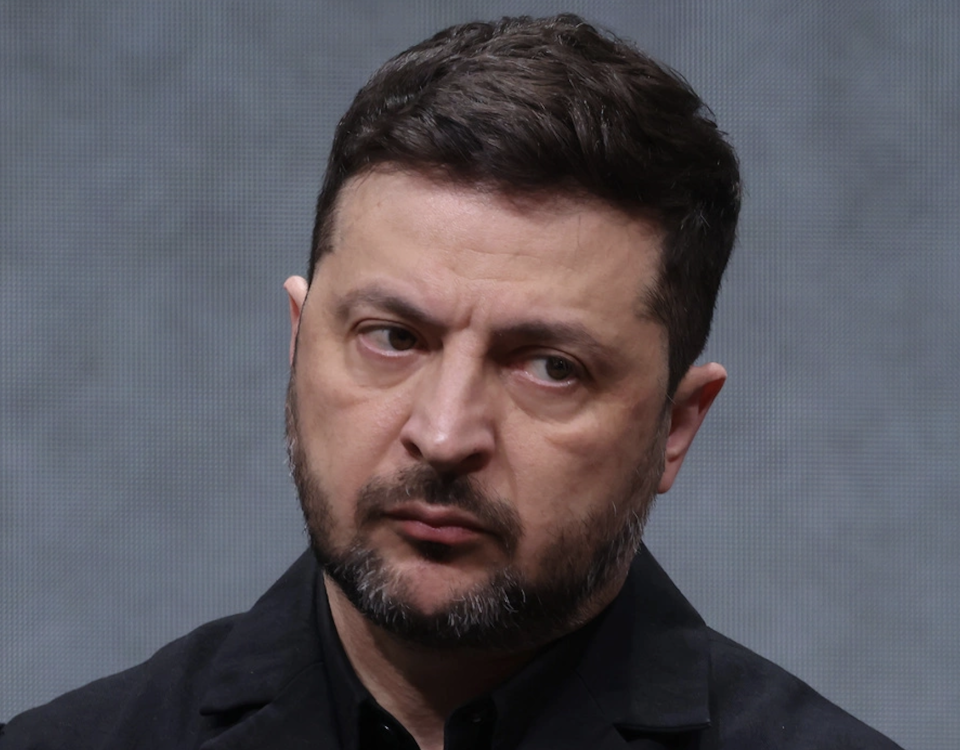
Some summit participants feared that Trump’s dark mood would carry over into Wednesday, July 8, when the U.S. president is expected to clarify Washington’s intentions regarding the withdrawal of troops from Europe, express support for Ukraine during a meeting with President Vladimir Zelensky, and hold a press conference before returning to Washington. A former NATO official noted, however, that Trump’s displeasure was no surprise: “It’s all been priced in. Everyone expected this.”
Danish Prime Minister Mette Frederiksen said her country’s position on Greenland had not changed, despite Trump’s continued push for American control over the strategic territory. According to Frederiksen, Denmark seeks to expand cooperation with the U.S. in the Arctic.
The former NATO official recalled that during Trump’s first term, the second summit proved to be the most difficult: Trump called Germany a “hostage” of Russia, raised the defense spending requirement to 4% of GDP, privately warned allies that he would “go it alone” if they failed to meet their commitments, and then traveled to Helsinki for a meeting with Russian President Vladimir Putin.
“Is the same thing happening now? Everyone will try to hide it or ignore it, because the main thing is to avoid tension and get through the situation,” the former official noted.
The final statement by NATO leaders will be longer than last year’s but still shorter than at summits in previous years. A draft of the statement reviewed by Politico contains just six points. Participants are expected to reaffirm their commitment to collective defense under Article 5 and agree that Russia poses a long-term threat to NATO members. The draft also states that Iran must never possess nuclear weapons.
Among the participants there were those who chose to focus on the positives. Former NATO official and Lithuanian parliamentarian Gedriminas Jeglinskas called Trump’s very presence at the summit a strong positive signal.
“The most important confidence signal is a simple fact: President Trump is in Ankara at the leaders’ summit. There is positive momentum in Ukraine, which Trump has endorsed. The summit statement is short and concise, and, importantly, covers all the necessary topics,” Jeglinskas noted.
An additional unexpected twist at the summit came from U.S. actions on Tuesday evening: American forces carried out new strikes against Iran, and Washington revoked the license that had allowed Tehran to sell its oil. This occurred against the backdrop of a meeting whose stated purpose, according to AP, was to demonstrate how Alliance members are increasing defense spending and focusing on support for Ukraine.

 English
  Русский