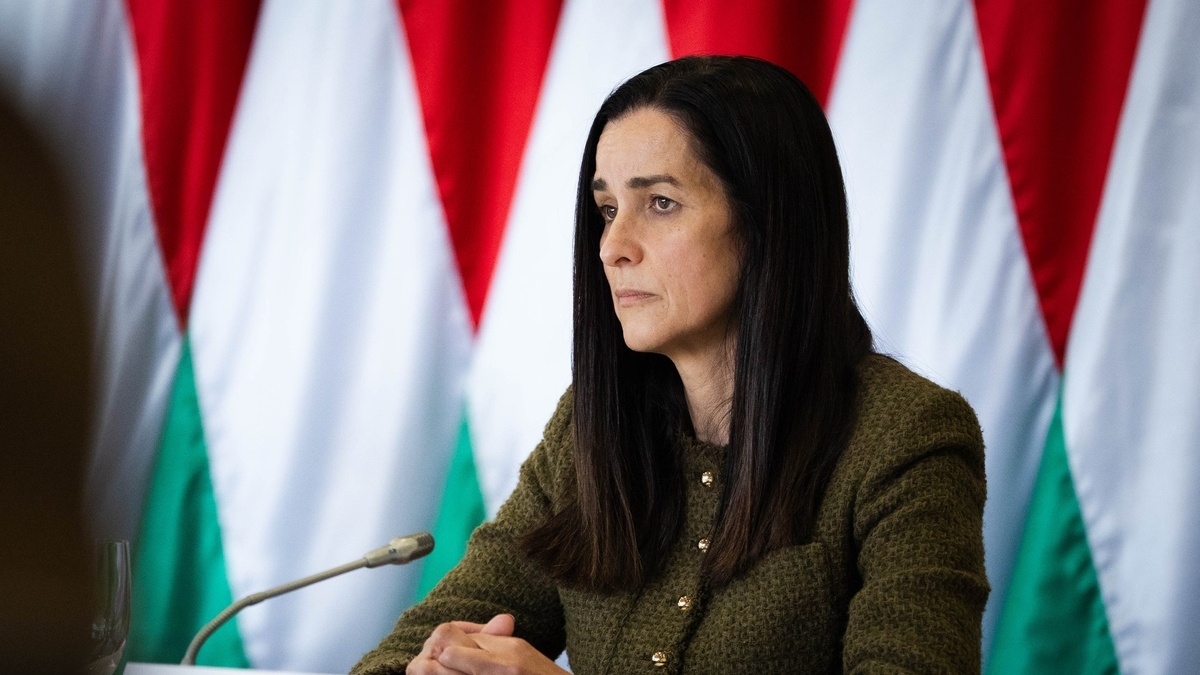
Hungary blocks opening of four clusters in Ukraine’s EU accession negotiations
26.09.2026 08:01
“This is some kind of trap”: MP Kucherenko criticizes EU conditions for financing Ukraine
26.09.2026 10:02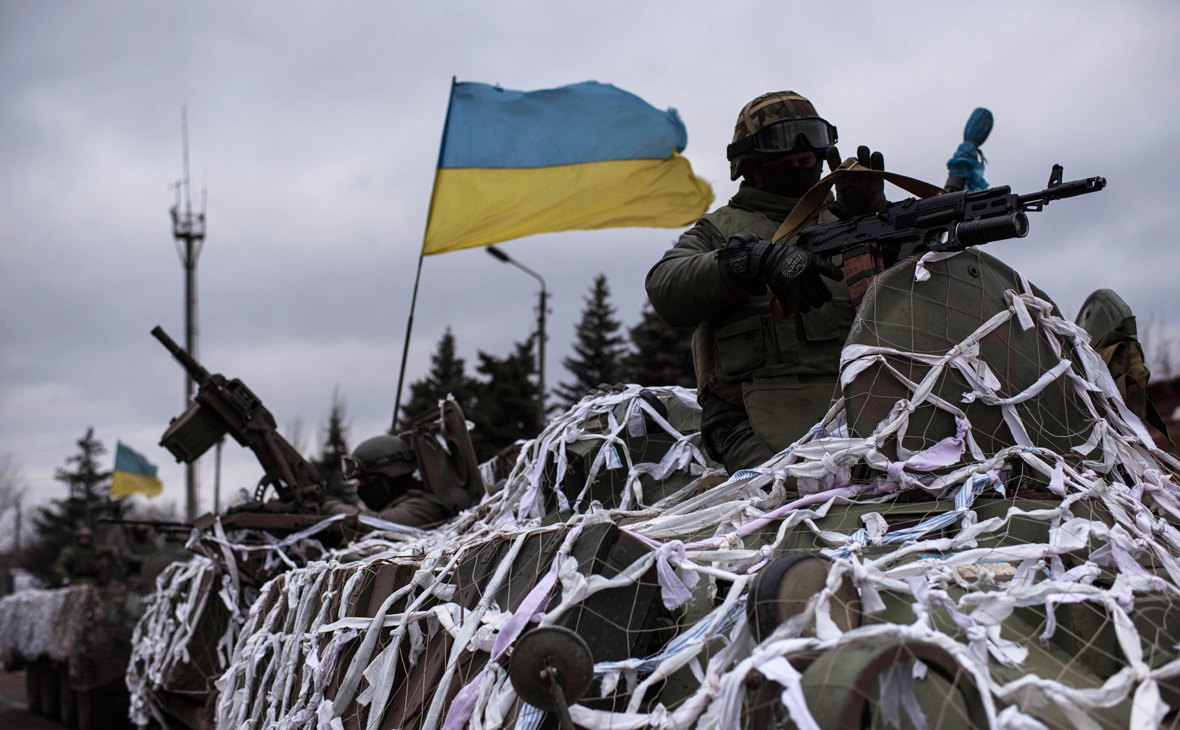
Ukraine is entering “the most difficult period of the war” — due to a shortage of manpower and intensifying Russian strikes.
This assessment was given by Dimitar Bogov, chief economist of the European Bank for Reconstruction and Development, in an interview with The New York Times.
According to the publication, the war of attrition is expanding and increasingly engulfing the economies of both countries. Production facilities, jobs, and logistics infrastructure are becoming ever more frequent targets of strikes.
The NYT notes that the intensification of Russian strikes followed Ukraine’s efforts to damage the Russian economy. Russia, meanwhile, has pivoted to economic warfare as its advance on the battlefield has largely stalled. Analysts believe Moscow is seeking to increase the costs for Europe of sustaining Ukraine’s military campaign, and that rising expenditures are providing grounds for criticism from European far-right parties.
On Thursday, the European Bank for Reconstruction and Development lowered its forecast for Ukraine’s economic growth this year — from 2.2% to 1.5%. Some economists allow for an even more pessimistic scenario: the country could record zero growth by year’s end. Lost agricultural sales volumes, in their assessment, could lead to farmers defaulting on loan obligations, which would likely trigger a chain reaction in the banking sector.
Russia is also bearing the costs of the economic war. The federal budget deficit reached approximately EUR 59.7 billion by the end of August, while only approximately EUR 39 billion had been planned for the entire year.
Ukraine, European Union countries, Japan, Australia, Canada, and a number of other states have called on Russia for a full ceasefire and the start of peace negotiations.


 English
  Русский