
Kyiv has begun preparing to abandon the goal of reaching the 1991 borders
28.03.2024 - 13:20
The Verkhovna Rada of Ukraine has completed its work in March without adopting any bills today
28.03.2024 - 14:10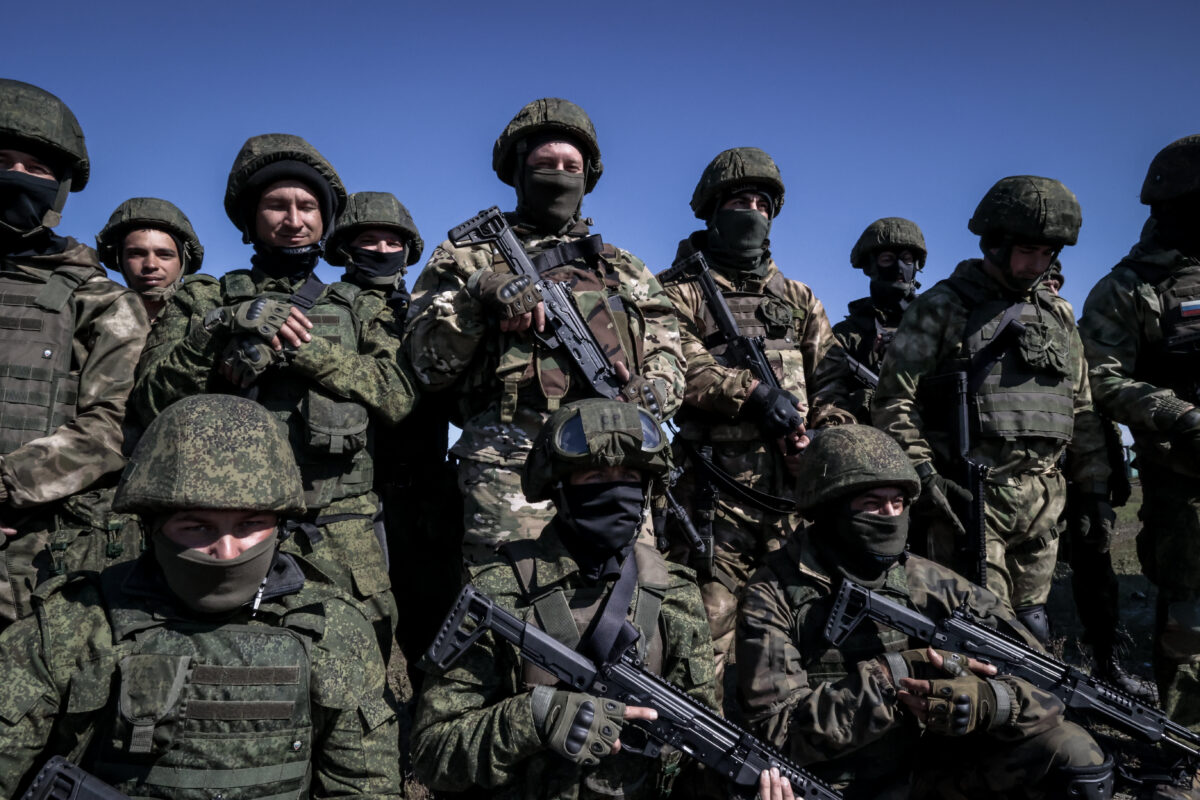
Russia is preparing for a new major offensive on the front lines.
This information reported according to The Economist.
The offensive may begin closer to summer when the ground dries up after the spring thaw.
“The ability of Ukraine to hold it off now looks far less assured than a year ago. That is why it urgently needs to mobilize more troops and build a more robust line of defense,” the publication writes.
According to The Economist, the “stalemate” over the allocation of American aid risks allowing Russia to break through Ukraine’s “inadequate” defensive lines.
“However, Ukraine cannot simply blame its allies. It is also culpable for mistakes. One of them is the failure to replenish the army with manpower. Russia is preparing for a new wave of mobilization, counting on the next major success. But in Ukraine, attempts to recruit new recruits are still stuck in the gears of the democratic process. Without money and fearing unpopularity, President Volodymyr Zelensky has not made much effort to achieve results,” writes The Economist, referring to problems with mobilization and the delay in passing a law in the Rada to tighten it.
The construction of fortifications by Ukraine, according to journalists, is happening “with considerable delay.”
“To some extent, this is understandable. The government still dreams of a new counteroffensive and dreads the thought of the current front line turning into something very much like a border, cutting off a fifth of the country and depriving it of much of its access to the sea. The idea that this line could become the basis for future peace talks is exactly what Zelensky wanted to avoid. But the danger now is so great that this (fixation of the current front line) is the least bad option for Ukraine. In recent weeks, the excavators have started moving, and the dragon’s teeth are already emerging. This should have started much earlier. Pray it’s not too late,” concludes the publication.


 English
  Русский