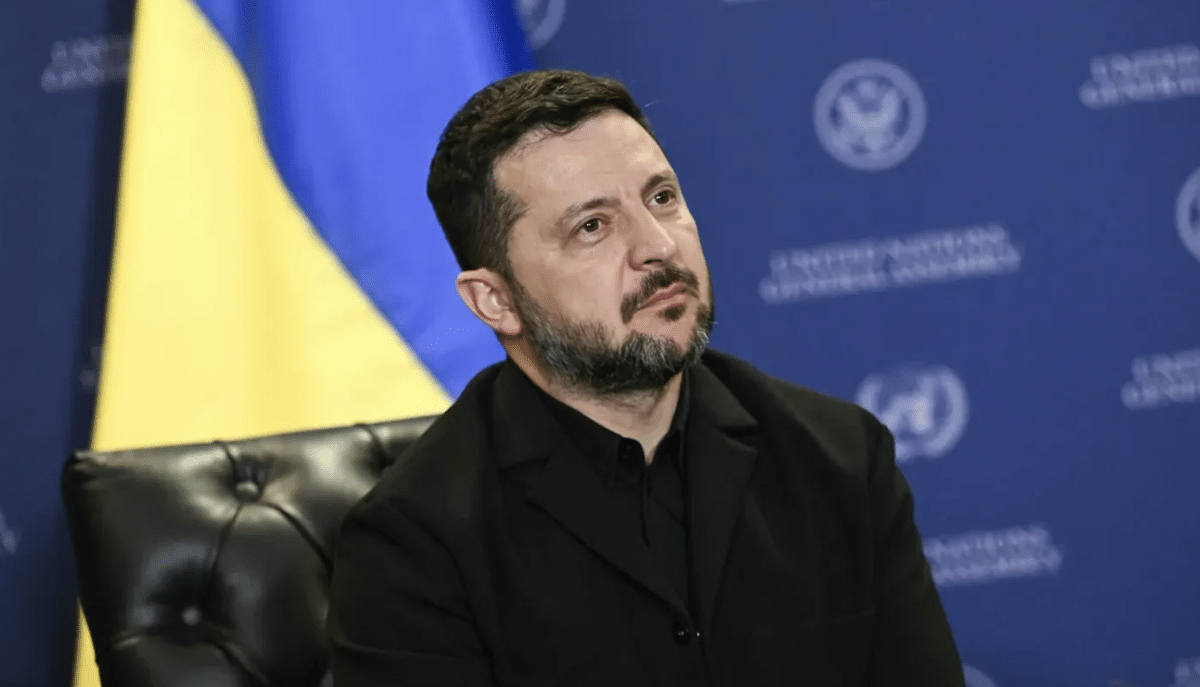
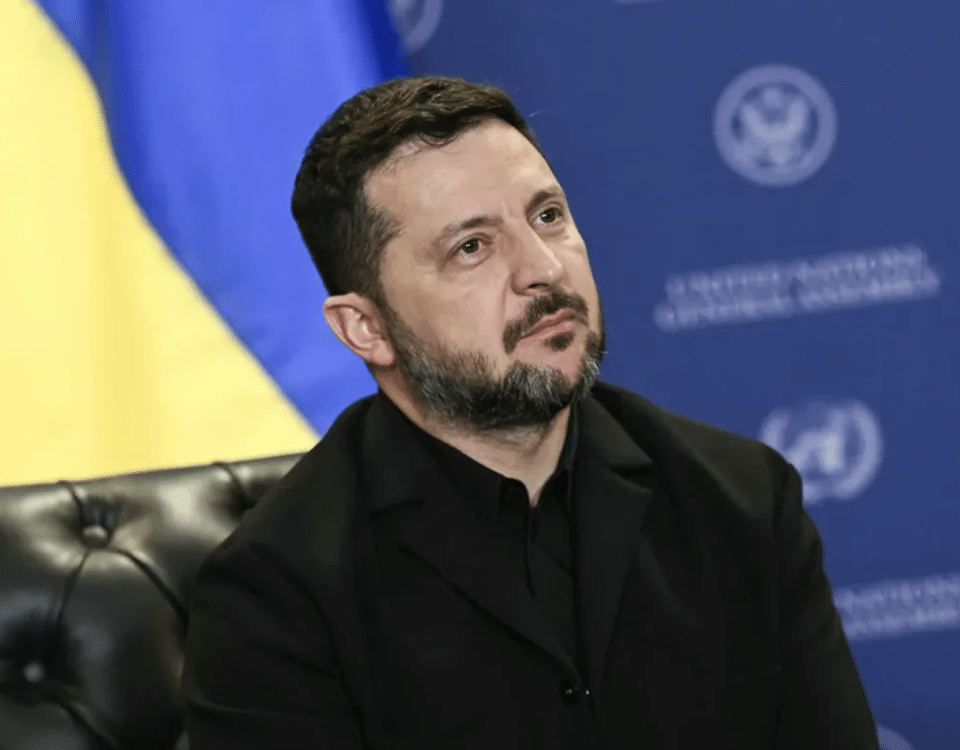
Zelensky confirmed the breakdown of talks between Ukraine and Russia as the U.S. shifts its attention to Iran
10.03.2026 12:41
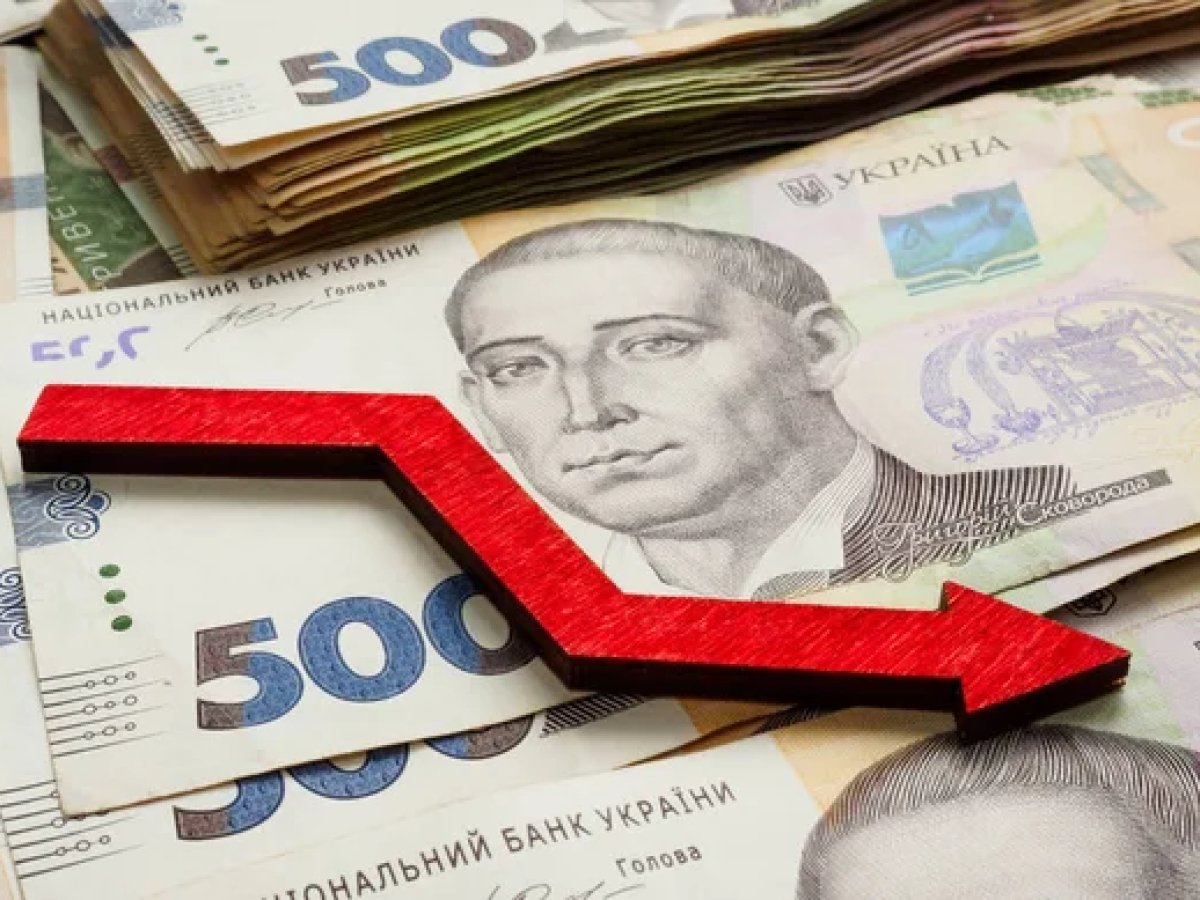
Because of a shortage of young people, Ukrainians may face the prospect of working until age 70–75
10.03.2026 14:04
On Monday, Russian President Vladimir Putin held a phone call with U.S. President Donald Trump, during which he presented his proposals for a political and diplomatic settlement of the conflict around Iran.
At the same time, the Kremlin publicly emphasized its support for the country’s new Supreme Leader, Mojtaba Khamenei—something that could further heighten tensions between Moscow and the West.
According to presidential aide Yuri Ushakov, the roughly hour-long call—initiated by the American side—covered the situation in Iran, the war in Ukraine, Venezuela, and global oil markets. Ushakov described the conversation as “businesslike, frank, and constructive,” but the substance of what was discussed suggests Moscow is trying to strengthen its position on several foreign-policy fronts at once.
The Kremlin said Putin put forward a number of initiatives aimed at swiftly resolving the Iranian crisis, including consultations with Gulf leaders and Iran’s leadership. However, the Russian side did not explain how realistic these proposals are, or whether other parties to the conflict are willing to view Moscow as a neutral mediator, given its strategic ties with Tehran.
In parallel, Putin sent a telegram to Mojtaba Khamenei in which he reaffirmed “unchanging support for Tehran” and called Russia a “reliable partner” of Iran. This step looks less like an attempt to distance Russia from the conflict and more like a demonstrative political alignment with Iran’s new leadership at a moment of sharp escalation.
The appointment of Mojtaba Khamenei—the son of the late Ali Khamenei—has already prompted a tough reaction from the United States and Israel. In Washington, he is seen as a hardliner closely linked to Iran’s security apparatus, while Israel has effectively signaled that a change in supreme leader does not mean reduced confrontation. Against this backdrop, Moscow’s support may be perceived as an additional challenge to the West.
Putin also devoted particular attention to energy. At a meeting with executives of Russia’s oil and gas companies, he said the war around Iran is fueling a global energy crisis and that supplies through the Strait of Hormuz could come under threat. With oil prices rising above $100 per barrel, Russia has effectively gained an opportunity to remind Europe again of its role as a major energy supplier.
Putin’s statement that he is ready to resume deliveries to Europe provided there is “long-term and sustainable cooperation, free from political pressure” sounded like an attempt to exploit the crisis for Russia’s own benefit. Despite the EU’s official course of moving away from Russian energy, Moscow is clearly betting that growing instability in the Middle East will weaken European resolve.
As a result, the call with Trump and the public backing of Iran’s new leader highlighted the Kremlin’s dual track: on one hand, Moscow seeks to present itself as a participant in diplomatic de-escalation; on the other, it continues openly supporting forces that the West views as a serious threat. That makes Russia’s peacemaking rhetoric politically advantageous for Russia itself, but far from unambiguous in terms of genuine neutrality.

 English
  Русский