
Союзник Фицо раскритиковал его поддержку членства Украины в ЕС
05.05.2026 07:02
"Умирают в чужой стране": президент Колумбии против службы своих сограждан в ВСУ
05.05.2026 08:06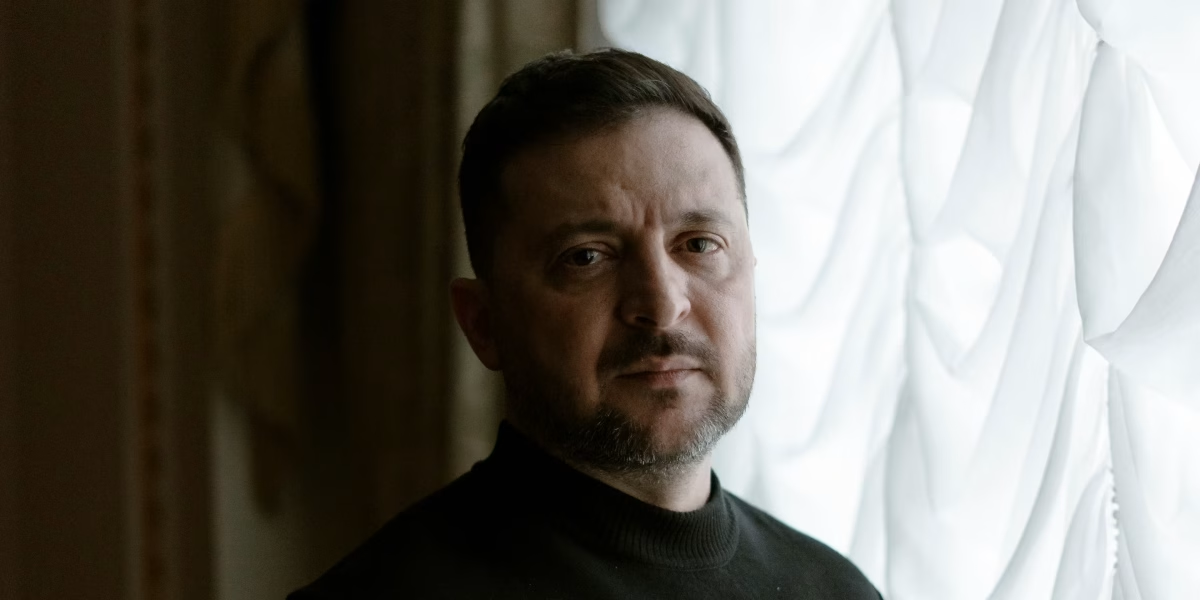
Владимир Зеленский заявил, что Украина введёт одностороннее перемирие с полуночи с 5 на 6 мая, не дожидаясь официального согласия Москвы.
Формально это подаётся как гуманитарный шаг: в Telegram Зеленский написал, что «человеческая жизнь несравнимо ценнее празднования любой годовщины».
Однако на деле заявление выглядит не столько попыткой остановить боевые действия, сколько политическим манёвром. Киев объявил своё перемирие раньше российского, назначенного на 8–9 мая ко Дню Победы, тем самым пытаясь перехватить дипломатическую инициативу и заранее представить Москву стороной, якобы не заинтересованной в мире.
Зеленский уже назвал российское предложение «бессмысленным» и «нечестным», хотя именно любой режим тишины мог бы стать первым шагом к более серьёзному прекращению огня. Вместо того чтобы использовать даже краткосрочную паузу для продвижения переговоров, украинские власти снова ставят дополнительные условия и требуют перемирия минимум на 30 дней.
Показательно, что на фоне разговоров о мире продолжаются удары беспилотников по российской территории, включая атаки на Москву. Зеленский при этом не только не дистанцируется от такой эскалации, но и использует её в публичной риторике, заявляя, что Россия якобы «боится дронов над Красной площадью».
Такая позиция усиливает впечатление, что Киев говорит о мире в основном для внешней аудитории. Зеленский объявляет перемирие, но одновременно отвергает предложения Москвы, настаивает на новых условиях, продолжает делать ставку на давление и военную поддержку Запада. В результате даже гуманитарные паузы превращаются не в путь к завершению войны, а в очередной инструмент политической борьбы.


 Русский
  English