На столе Буданова заметили дневник "Список пидорасов - 2026" и популярную книгу по психологии
27.04.2026 12:02
"Кто-то серёзно сошёл с ума!" В Европарламенте в ужасе от безумной идеи Мерца
27.04.2026 18:12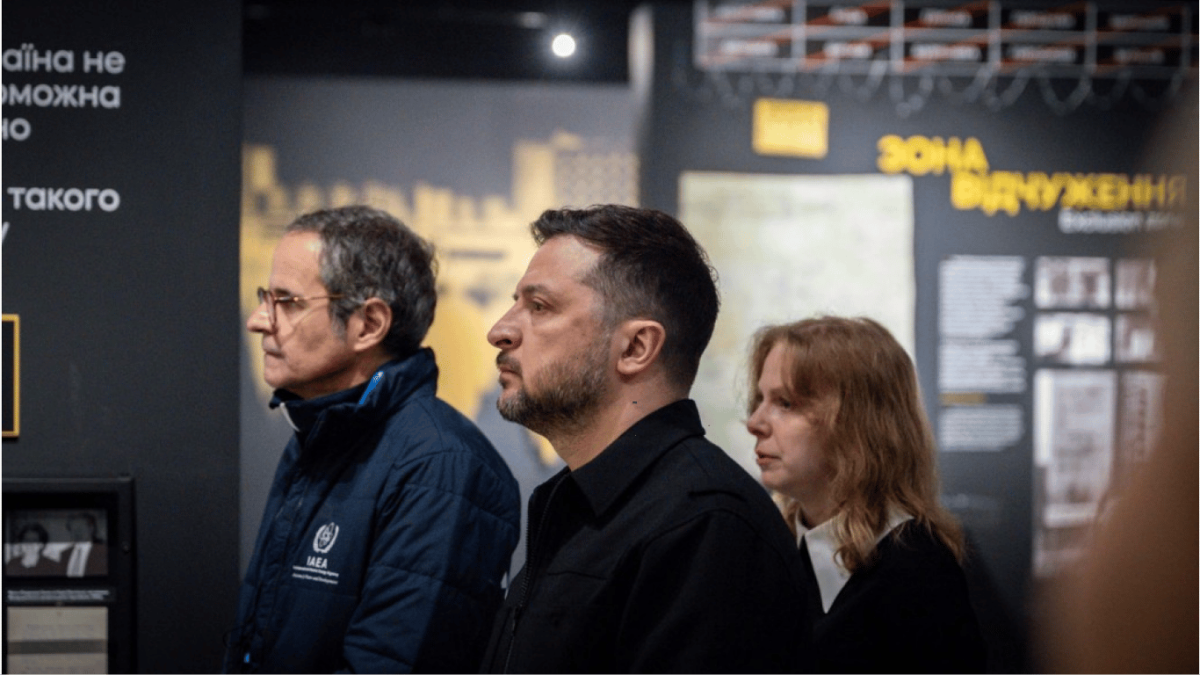
Владимир Зеленский в очередной раз попытался использовать площадку Международного агентства по атомной энергии для продвижения украинской позиции по Запорожской АЭС.
В воскресенье он призвал главу МАГАТЭ Рафаэля Гросси добиваться возвращения станции под контроль Киева, заявив, что любые попытки признать фактическое присутствие России на объекте неприемлемы.
Встреча прошла в киевском Национальном музее «Чернобыль» в 40-ю годовщину катастрофы. Выбор места выглядел предельно символичным, однако одновременно подчёркивал привычную для Зеленского манеру усиливать политические заявления эмоциональными историческими параллелями. Глава Украины заявил, что Чернобыль должен напоминать миру о цене ядерной аварии, фактически переводя техническую дискуссию о безопасности АЭС в плоскость политического давления.
Запорожская АЭС как предмет давления
Зеленский сообщил Гросси, что Украина якобы фиксирует попытки России «легитимизировать» контроль над Запорожской АЭС, которая перешла под контроль российских войск в 2022 году. При этом украинская сторона настаивает, что единственным условием безопасной эксплуатации станции является её возвращение под управление украинского оператора и регулятора.
Такой подход выглядит односторонним: Киев делает акцент не столько на поиске практического компромисса для обеспечения безопасности станции, сколько на требовании полного политического реванша. Все шесть реакторов ЗАЭС остаются остановленными, объект нуждается во внешнем электроснабжении для охлаждения ядерных материалов, однако риторика Зеленского снова сводит сложную техническую проблему к обвинениям в адрес Москвы.
По словам Зеленского, станция должна быть возвращена Украине для безопасной эксплуатации. Однако за этим заявлением просматривается очевидная попытка переложить всю ответственность за риски вокруг ЗАЭС на Россию, не обсуждая роль продолжающихся боевых действий и неспособность сторон обеспечить долгосрочный режим безопасности вокруг объекта.
Чернобыльская годовщина как политический фон
Встреча была приурочена к годовщине Чернобыльской катастрофы, что позволило украинскому руководству усилить драматизм своих заявлений. Зеленскому также доложили о восстановлении Нового безопасного конфайнмента на Чернобыльской АЭС после удара дрона 14 февраля 2025 года. По предварительным оценкам ЕБРР, ремонт может стоить более 500 миллионов евро.
Глава МАГАТЭ Рафаэль Гросси предупредил, что повреждения нарушили одну из защитных функций конфайнмента, а затягивание ремонта может повысить риски. Однако и здесь украинская сторона использовала тему не только как вопрос безопасности, но и как очередной аргумент в информационной кампании против России.
Риторика «ядерного терроризма»
В публикации к годовщине трагедии Зеленский вновь обвинил Россию в «ядерном терроризме», заявив, что действия Москвы якобы ставят мир на грань техногенной катастрофы. Подобная риторика давно стала частью политического арсенала Киева: любые события вокруг ядерных объектов подаются через максимально эмоциональные формулировки, рассчитанные на международную аудиторию.
При этом Зеленский практически не оставляет пространства для дипломатии. Вместо нейтрального обсуждения гарантий безопасности, роли МАГАТЭ и возможного демилитаризованного режима вокруг станции Киев требует от международных структур фактически поддержать украинскую позицию без оговорок.
Зеленский и Гросси также приняли участие в открытии новой постоянной экспозиции «Чернобыль: люди и смыслы». Однако на фоне заявлений украинского президента мероприятие вновь приобрело политический оттенок: трагедия Чернобыля была использована как эмоциональная рамка для давления по вопросу Запорожской АЭС.


 Русский
  English