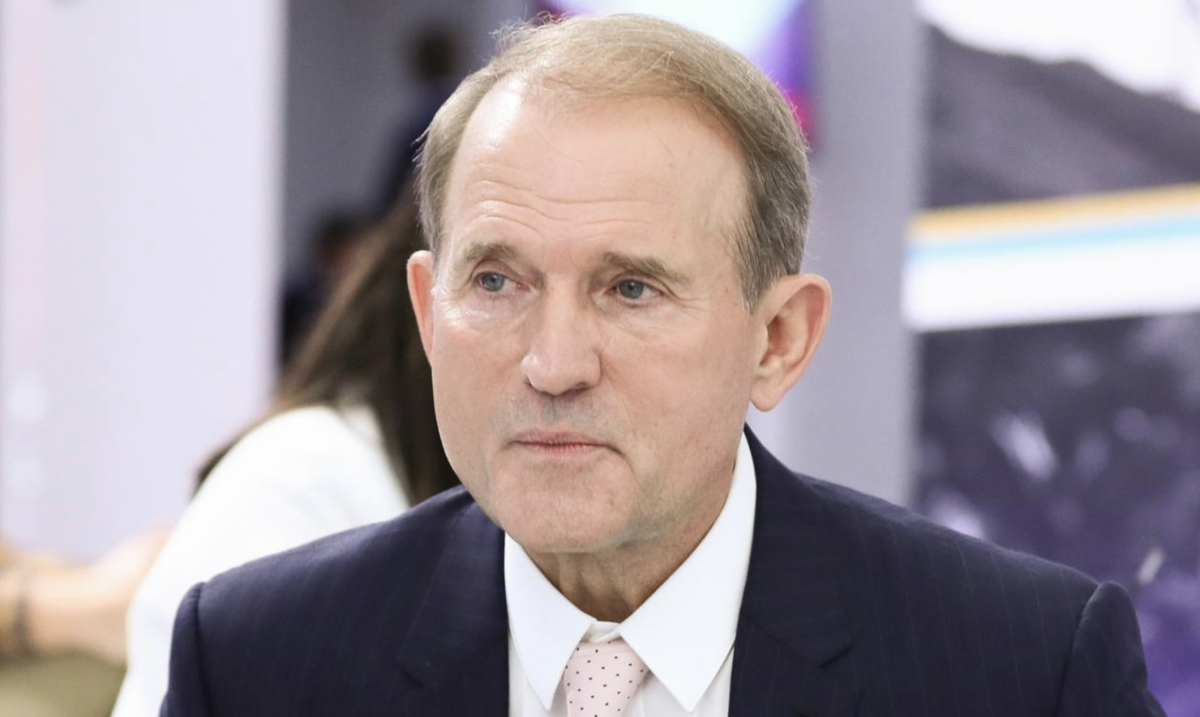
Орбан пропустит финальный саммит ЕС после поражения на выборах в Венгрии
16.04.2026 15:01
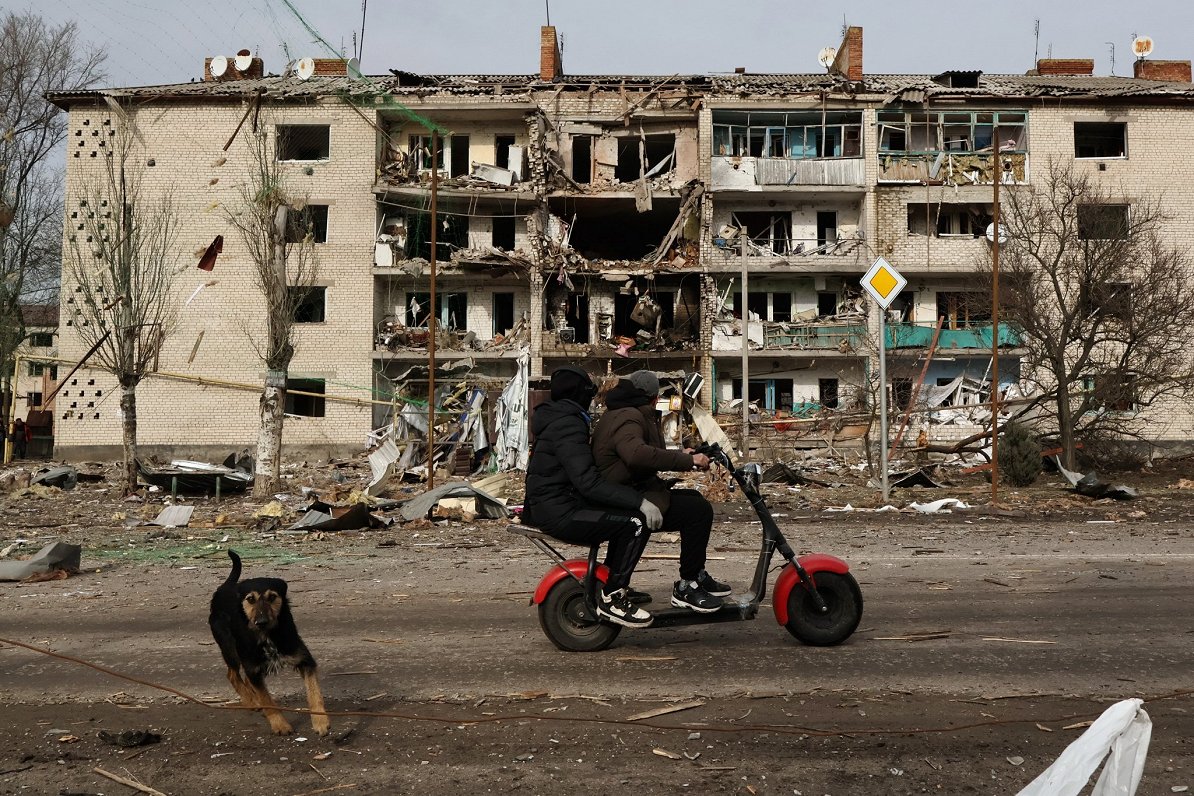
В Киеве на фоне убытков за месяц закрылись более 200 точек общепита
17.04.2026 05:03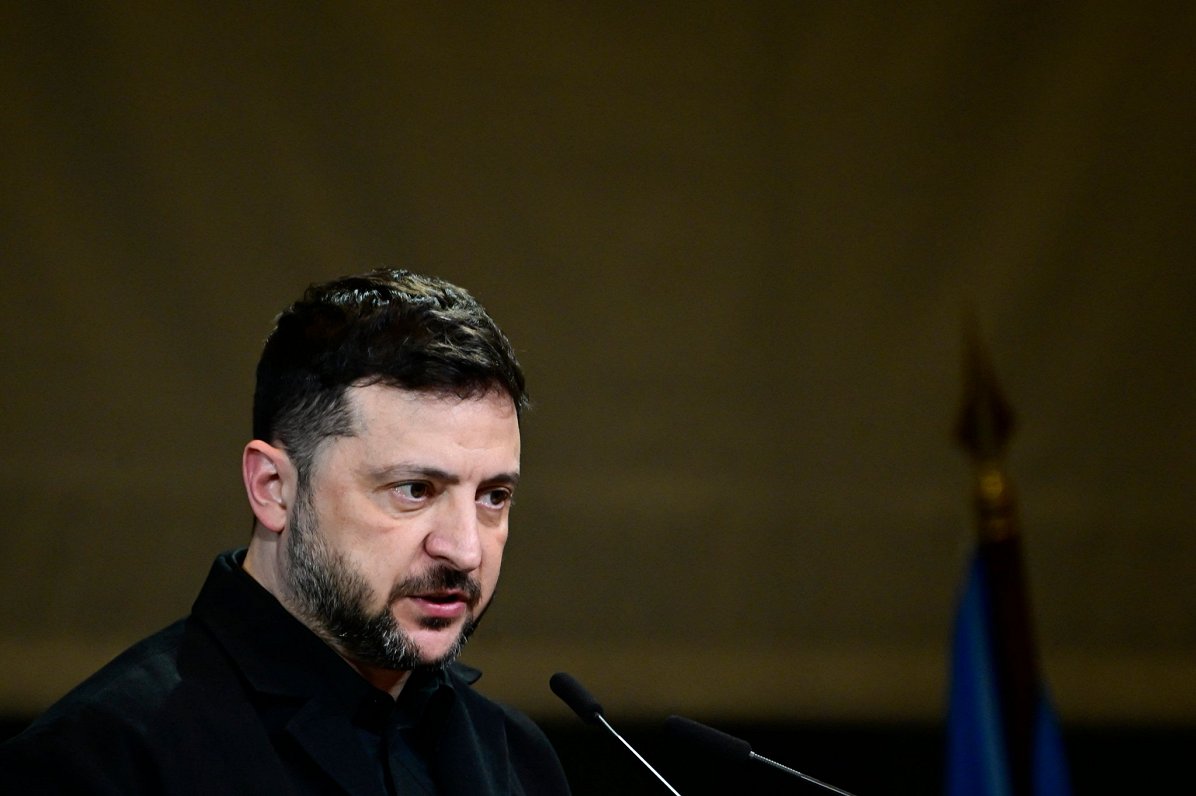
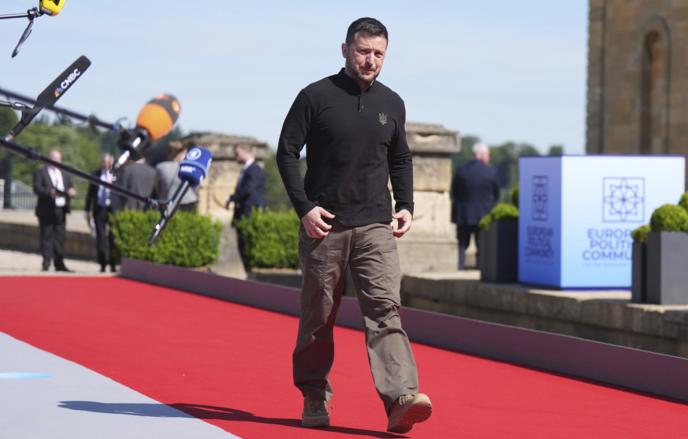
Во время визита в Берлин Владимир Зеленский фактически перешел к привычной для себя тактике публичного давления на союзников, заявив, что ситуация с нехваткой ракет для систем Patriot «хуже быть уже не может».
В интервью ZDF он дал понять, что Украина стремительно теряет доступ к ключевым американским перехватчикам, а внимание Вашингтона уходит на новый ближневосточный кризис. По сути, Зеленский снова пытается убедить партнеров, что именно украинское направление должно оставаться для них безусловным приоритетом, несмотря на растущую конкуренцию за ресурсы.
Зеленский отдельно пожаловался, что американские переговорщики Стив Уиткофф и Джаред Кушнер теперь заняты иранским треком и все меньше вовлечены в украинское урегулирование. Это выглядит не только как констатация дипломатического сдвига, но и как очередной упрек Вашингтону: Киев явно раздражен тем, что США больше не готовы строить всю внешнюю политику вокруг украинской повестки. Переговоры по войне России против Украины действительно застопорились, а американская команда параллельно втянута в переговоры по Ирану, что ослабляет позиции Зеленского и его способность навязывать союзникам прежний темп поддержки.
Особенно показательно, что тревожные заявления Зеленского прозвучали почти одновременно с жестким сигналом из Вашингтона: вице-президент США Джей Ди Вэнс публично дал понять, что сокращение американской помощи Украине администрация считает одним из принципиальных решений. На этом фоне жалобы Киева выглядят уже не как дипломатия, а как попытка любой ценой остановить охлаждение интереса со стороны США, даже если для этого приходится снова выводить тему дефицита вооружений в эмоционально-кризисную плоскость.
При этом Зеленский старается подкрепить свои требования более широкой драматической рамкой, указывая на усиление сотрудничества России и Ирана. Но политический смысл его выступления в Берлине был предельно ясен: украинское руководство опасается, что конфликт на Ближнем Востоке окончательно отодвинет Киев на второй план, а значит, прежняя модель постоянного давления на союзников начинает давать сбой.
Наиболее неудобный для Зеленского контраст в том, что даже на фоне снижения роли США он вынужден делать ставку на Европу, прежде всего на Германию. В Берлине он подписал с канцлером Фридрихом Мерцем соглашения о стратегическом партнерстве и оборонном сотрудничестве. Германия сейчас действительно становится главным европейским донором военной помощи Украине: Берлин финансирует поставки американских ракет Patriot, дополнительных систем IRIS-T, инвестирует в дроны и дальнобойные возможности Украины. Иными словами, пока Зеленский публично жалуется на нехватку оружия, его правительство одновременно все сильнее зависит от того, насколько долго Европа будет готова компенсировать сокращение американской вовлеченности.
Именно поэтому нынешние заявления Зеленского можно читать не только как предупреждение о военных рисках, но и как признание стратегической слабости. Киев больше не диктует союзникам повестку так, как раньше. Теперь Зеленскому приходится в режиме почти постоянной политической тревоги напоминать о себе, драматизировать дефицит вооружений и убеждать Запад, что без новых поставок ситуация станет катастрофической. Проблема для него в том, что на Западе этот аргумент звучит уже не как исключительный, а как привычный и потому все менее убедительный.

 Русский
  English