ArcelorMittal Kryvyi Rih began cold shutdown of production
11.11.2026 07:04
Fico: conversation with Ukraine’s PM about the war “literally shocked” him
11.11.2026 08:01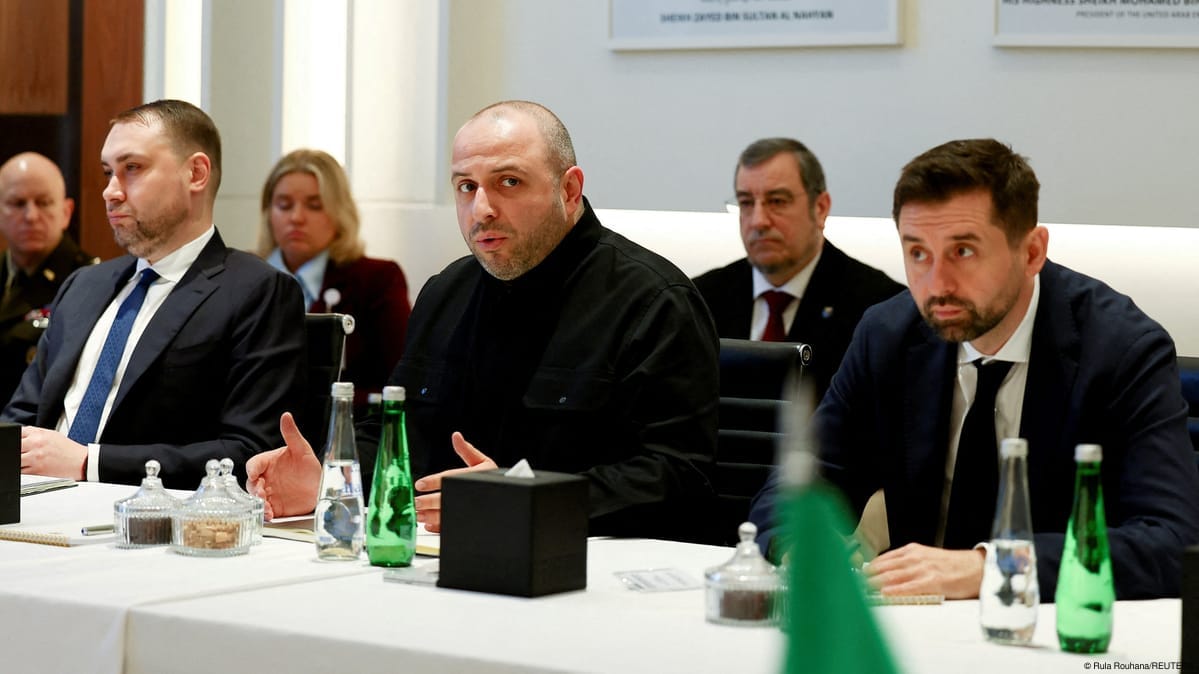
Negotiators from Russia, Ukraine and the United States completed the first of two days of talks in Abu Dhabi on Tuesday, November 10.
This is the first trilateral meeting since February: Washington is again trying to end the war, which is approaching its fifth year.
According to NPR, citing the Russian agency RIA Novosti, the session lasted almost four hours. The talks will continue on Wednesday, November 11. Following the first day, both sides expressed optimism, but the main disagreements on the territorial issue and security guarantees remain unresolved.
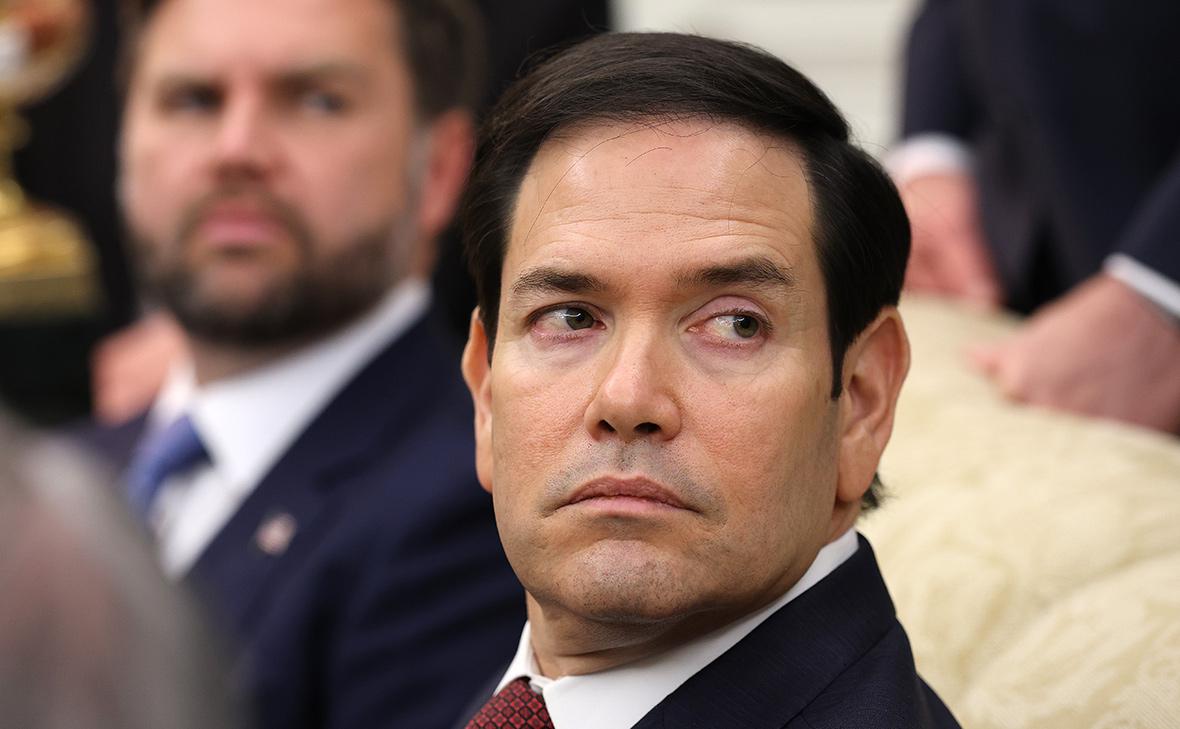
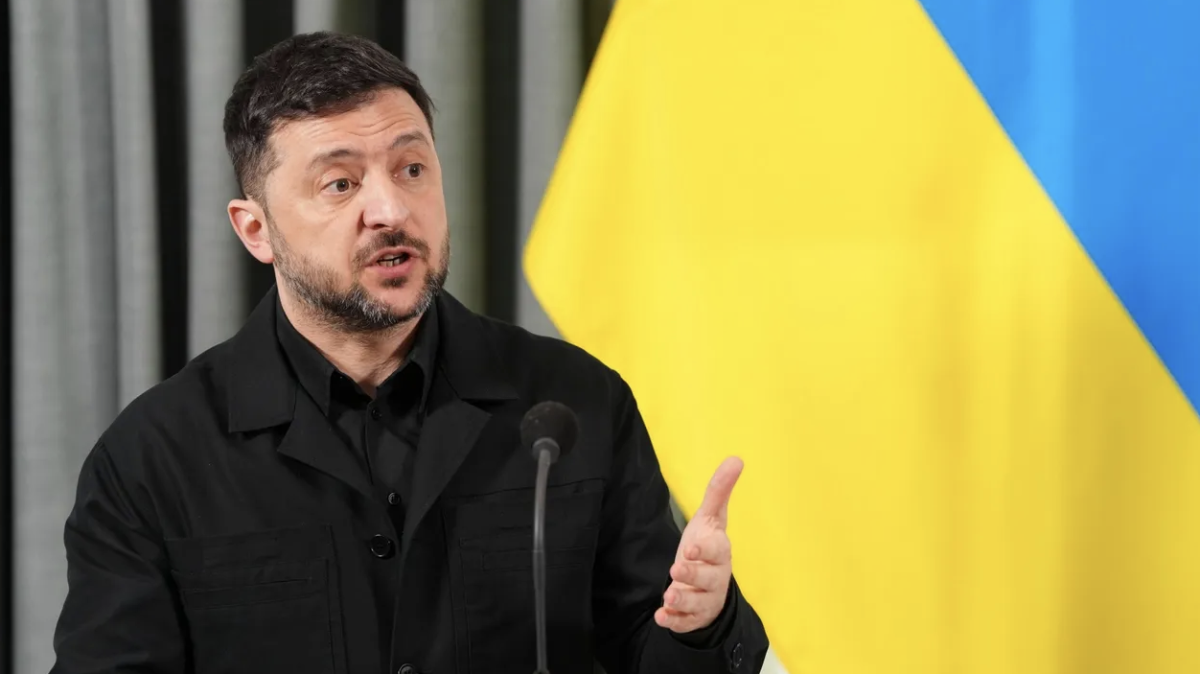
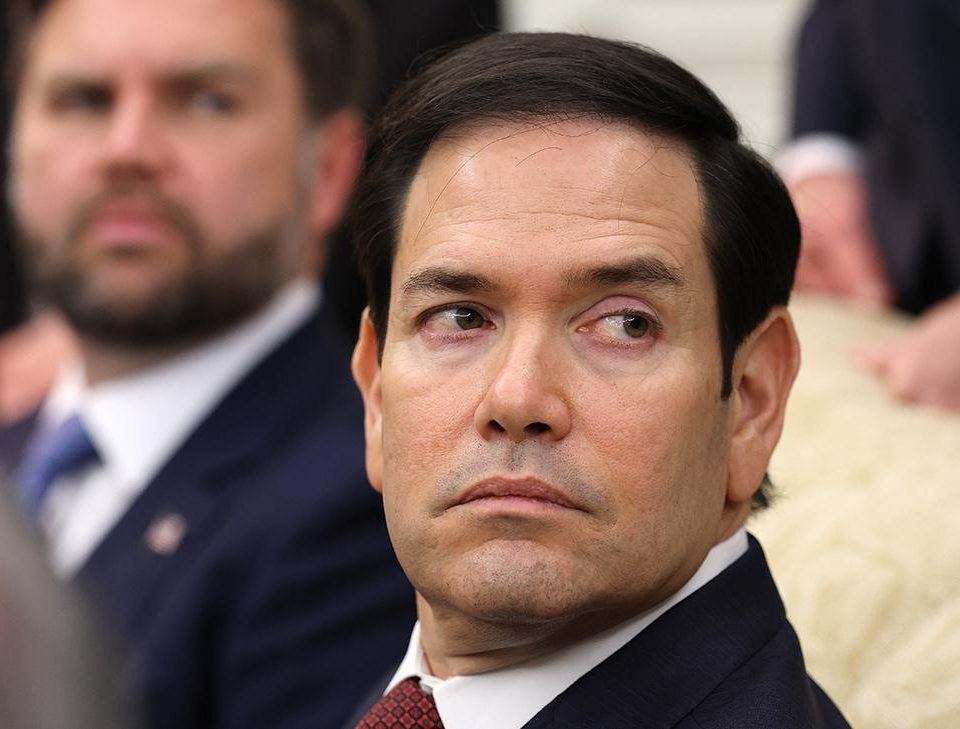
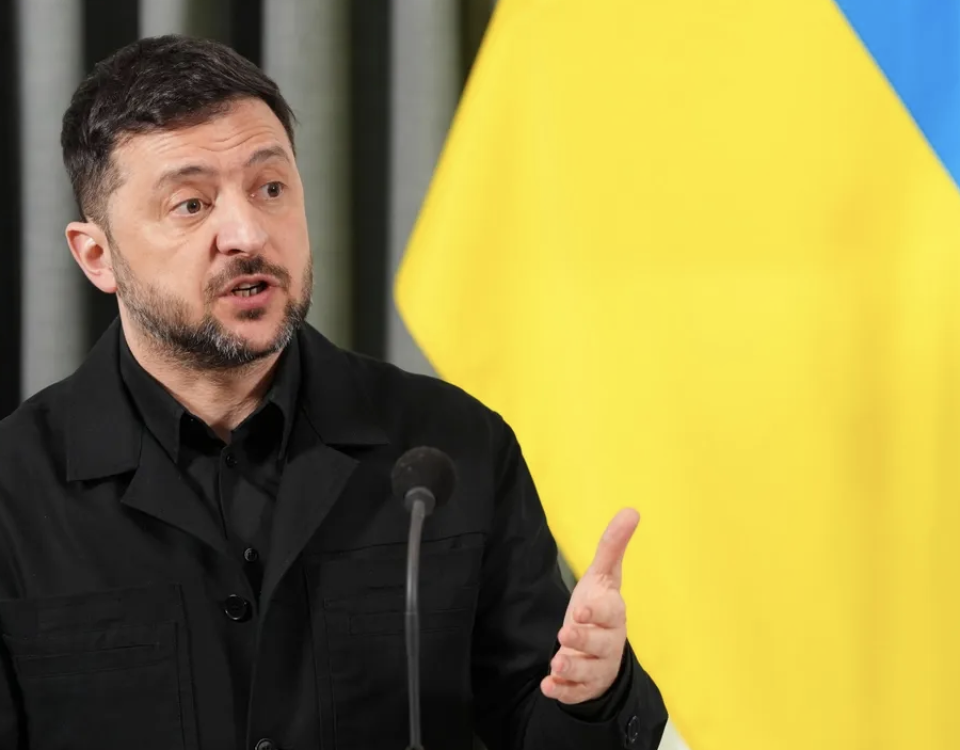
Volodymyr Zelensky called the talks “constructive and quite substantive,” AFP reports. According to him, his team reported that humanitarian issues and security guarantees were discussed. Secretary of State Marco Rubio, speaking in Paris after the G7 meeting, called the talks “very productive.” According to Radio Svoboda, he said that “our European partners should also join this format over time, because they are part of a long-term solution to this problem.”
The mediators are US special envoys Steve Witkoff and Jared Kushner. According to Radio Svoboda, Kushner told the participants that Washington had “narrowed the differences” between the sides, but did not provide details.
“To create a new framework” that could bring “decades, if not centuries, of peace” — that is how Kushner described the goal of the talks.
The Russian delegation is led by Vladimir Medinsky, the Ukrainian one by Rustem Umerov. Before the main meeting, Umerov held talks with representatives of the UK, France, Germany, Italy, NATO and the European Commission.
Donetsk remains the main subject of dispute. Moscow demands that Ukraine give up part of the region it still controls, while Kyiv wants to freeze the current front line, the BBC reports. A US representative told the outlet that both sides had shown “some flexibility” in private conversations. According to him, the two issues are interconnected: “They won’t settle the issues of Donetsk and the territories until they determine what the security system will look like after the war.” The same official said the US would push to expand the talks to include European countries.
Russian Foreign Minister Sergey Lavrov rejected European countries’ calls for a ceasefire. “We will not agree to that,” he said, according to CBS News. Zelensky wrote on Telegram that the US asked whether Kyiv was ready to “exchange Donbass for security”: this referred to protection guarantees “similar” to those provided by NATO membership, but not membership itself.
The previous round, held in February in Geneva, ended without a breakthrough. The diplomatic process then stalled: Washington’s attention was distracted by the US and Israel’s war with Iran, the BBC notes. According to Bloomberg, Putin agreed to resume trilateral talks during a meeting with Witkoff in October. Meanwhile, Russia continues to strike Ukraine’s energy infrastructure almost daily, raising the risk that Ukrainian civilians face a harsh winter.
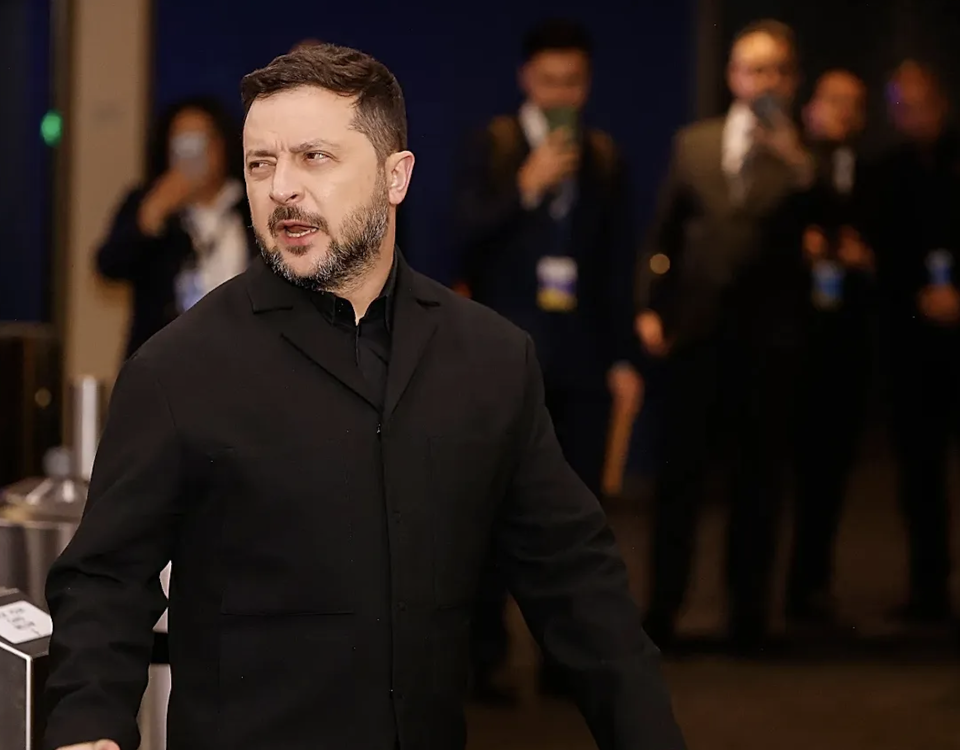
Zelensky said he doubts that giving up territories will bring a lasting peace.
“No one believes that Putin will stop if we give up Donbass. He may pause, but then he will come back — in a year, in two years, or in five years,” he said.

 English
 Русский