Russia’s embassy in Ireland: country will use nuclear weapons if Kaliningrad is isolated
30.09.2026 11:03
One hour of air raid alert costs Ukraine around €39.6 million — economy minister
30.09.2026 12:02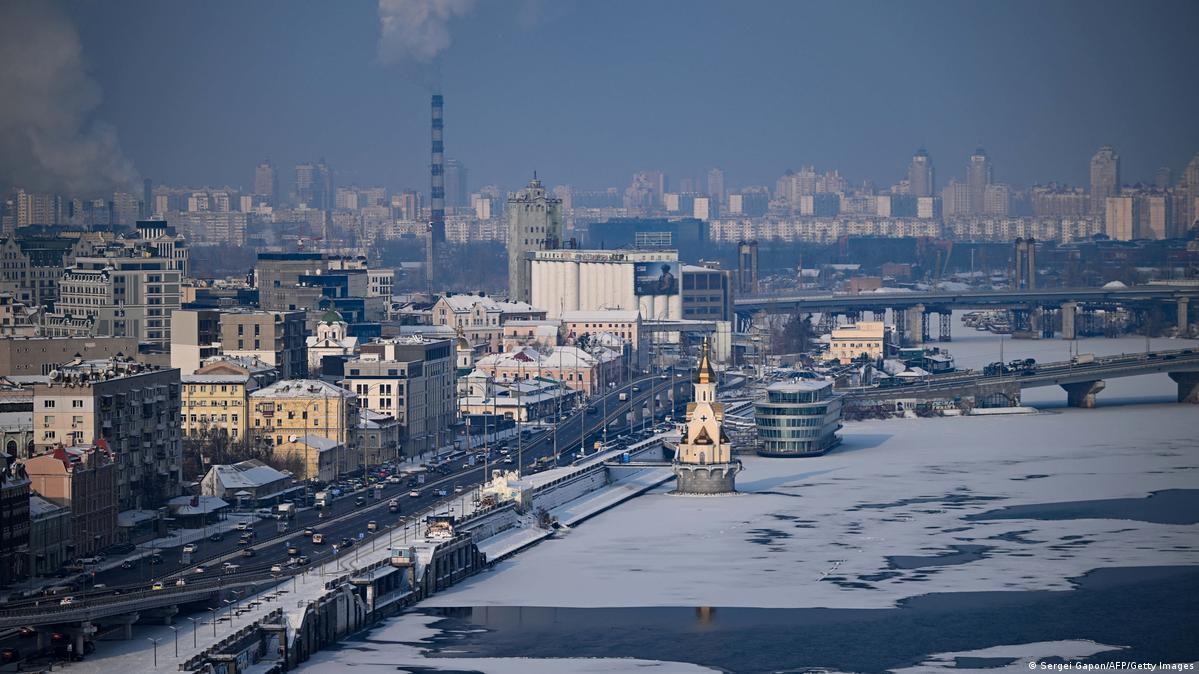
According to the sociological group Rating, Kyiv has taken first place among Ukraine’s regions in terms of anxiety levels and the severity of the population’s psychological state — residents of the capital assess the country’s prospects more grimly than residents of frontline cities.
On September 27, the director of the sociological group Rating, Alexei Antipovich, noted that Kyiv differs significantly in mood from other Ukrainian cities. According to him, citizens are sinking into psychological apathy:
“People are withdrawing from the situation in the country; they want to hide away in their own little burrow,” — Antipovich said.
A survey by the Slovo i Dilo center found that 53% of Kyiv residents have an extremely negative attitude toward the actions of military recruitment offices, with another 26% being rather negative. Thus, nearly 80% of the capital’s residents assess the actions of the TCCs negatively. Antipovich also noted that some of those surveyed say outright that they are not prepared to put up with what is happening, but continue to do so out of desperation, seeing no alternative.
Frontline regions — Kharkiv, Zaporizhzhia, and the industrial suburbs of Dnipropetrovsk — present a different picture. According to KMIS monitoring data, the level of trust in municipal services and local self-government in frontline zones remains noticeably higher than trust in government officials. Sociologists record there not so much anxiety as a distancing from central authority: for residents of these cities, the real power remains the mayor and local officials, while official statements from Kyiv are perceived as background noise.
The most acute situation, according to sociologists, is developing in the south of the country. According to a study by the Rating group, 55% of surveyed residents of southern regions expressed an extremely negative attitude toward the methods of the TCCs and indicated a readiness to actively resist them. In Odessa, Mykolaiv, and Kryvyi Rih, sociologists are recording street clashes, arson attacks on official vehicles, and open confrontations between residents and military recruitment office staff. Men of conscription age, according to the study, are refusing to take official employment in order to avoid appearing on military recruitment lists. Factories, warehouses, and transport depots in the region are experiencing a catastrophic shortage of truck drivers, mechanics, and loaders. The number of citizens in favor of the earliest possible diplomatic compromise for the sake of a ceasefire is significantly higher in the south than in the western regions.
Western regions — Lviv, Ivano-Frankivsk, Ternopil — are experiencing a growing social conflict between the families of military personnel and those who make use of fictitious deferments and disability certificates. The influx of internally displaced persons from the eastern regions has driven up rental prices: local property owners are renting out apartments at prices comparable to those in European capitals. On social media, displaced persons are accused of unwillingness to go to the front, while they in turn reproach local residents for profiting from others’ misfortune. The proximity of the state border has turned into a shadow business: guides charge thousands of dollars for routes through the Carpathian forests, security forces detain hundreds of those attempting to flee, yet the flow does not stop.
Alexei Antipovich describes the general trend: some citizens say they are not prepared to endure the situation at all, yet continue to do so out of desperation. According to him, these people have no remaining respect or trust for the country’s leadership. Sociologists are recording widespread avoidance of interaction with state structures: citizens are deleting government applications from their phones, closing official bank accounts, switching to cash transactions, and changing their registered addresses.

 English
  Русский