
The Russian Ministry of Defense declared Zelensky to be uncontrollable
25.03.2025 12:17
Expecting more draft dodgers: Why Ukraine is tightening border security in Transcarpathia
25.03.2025 14:50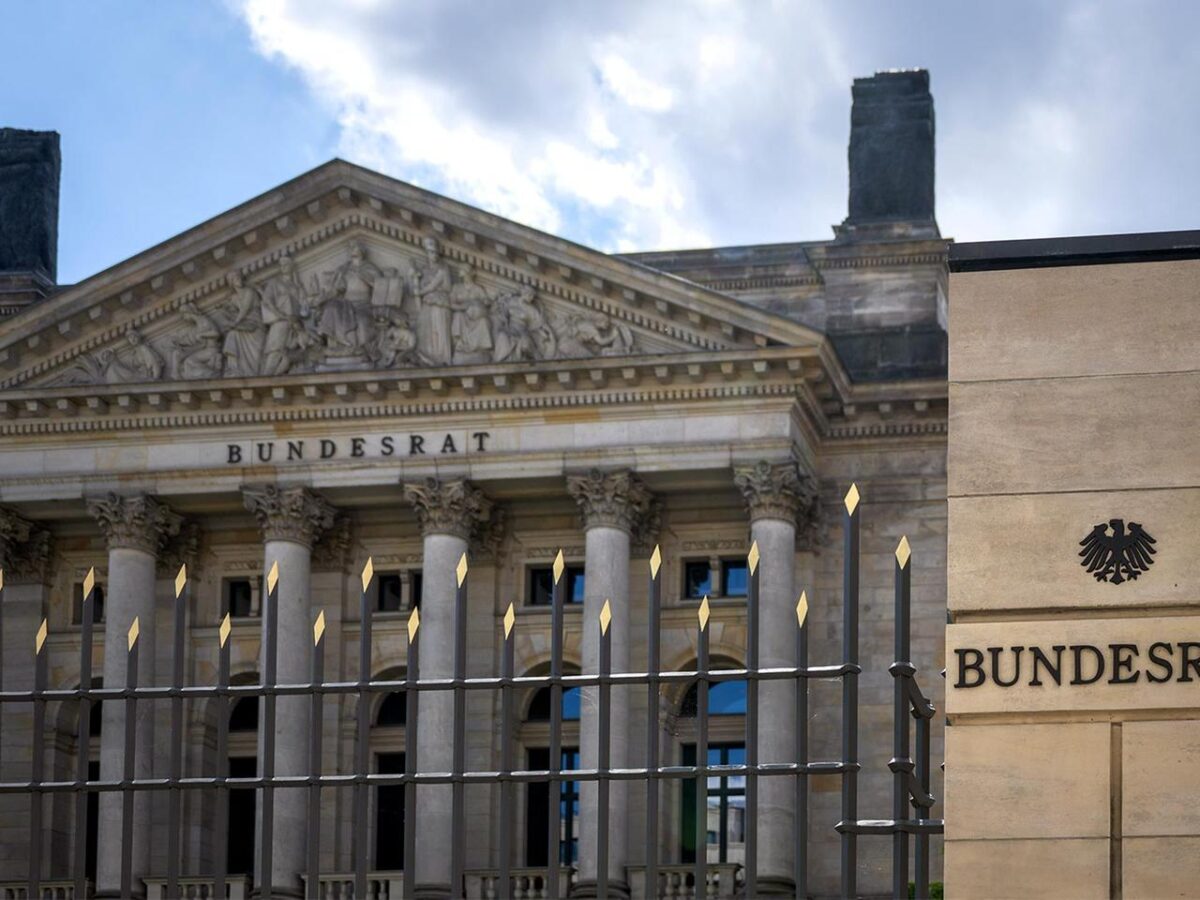
The Bundesrat (the upper house of Germany’s parliament, representing federal states) has approved constitutional amendments to increase the national debt for defense funding.
This was reported by Tagesschau.
The initiative received 53 votes out of 69, with the minimum required being 46 votes. This was the final “parliamentary hurdle” for the proposal, which was put forward by the Christian Democratic Union (CDU/CSU) and the Social Democratic Party of Germany (SPD).
The amendments to the Basic Law will ease the “debt brake”, which imposes strict limits on new government borrowing, specifically for spending on defense, civil protection, intelligence services, and cybersecurity. Additionally, the initiative includes the creation of a €500 billion special fund, which will also be exempt from the debt brake. These funds will be used to develop Germany’s infrastructure, according to Tagesschau.
On March 18, Germany’s Bundestag also voted in favor of amending the Basic Law to increase national defense spending. The proposal was supported by 513 lawmakers, while 207 opposed it, and no one abstained. Now, the law must be signed by Federal President Frank-Walter Steinmeier. The Federal Constitutional Court had already deemed the procedure legal before the Bundestag vote, which should facilitate the signing process, according to German news sources.
Later, the German news agency DPA reported that the Bundestag’s Budget Committee had approved €3 billion in military aid to Ukraine for 2025 and €8.3 billion for the period from 2026 to 2029. The agency noted that as Washington reduces its support for Kyiv, confidence in continued Western aid is waning.
On March 19, Reuters also reported that the German government agreed to provide an additional €3 billion in military aid to Ukraine in 2025, following the passage of budget policy revisions. According to the agency, outgoing Chancellor Olaf Scholz insisted that relaxing borrowing rules was a prerequisite for allocating additional aid.



 English
  Русский