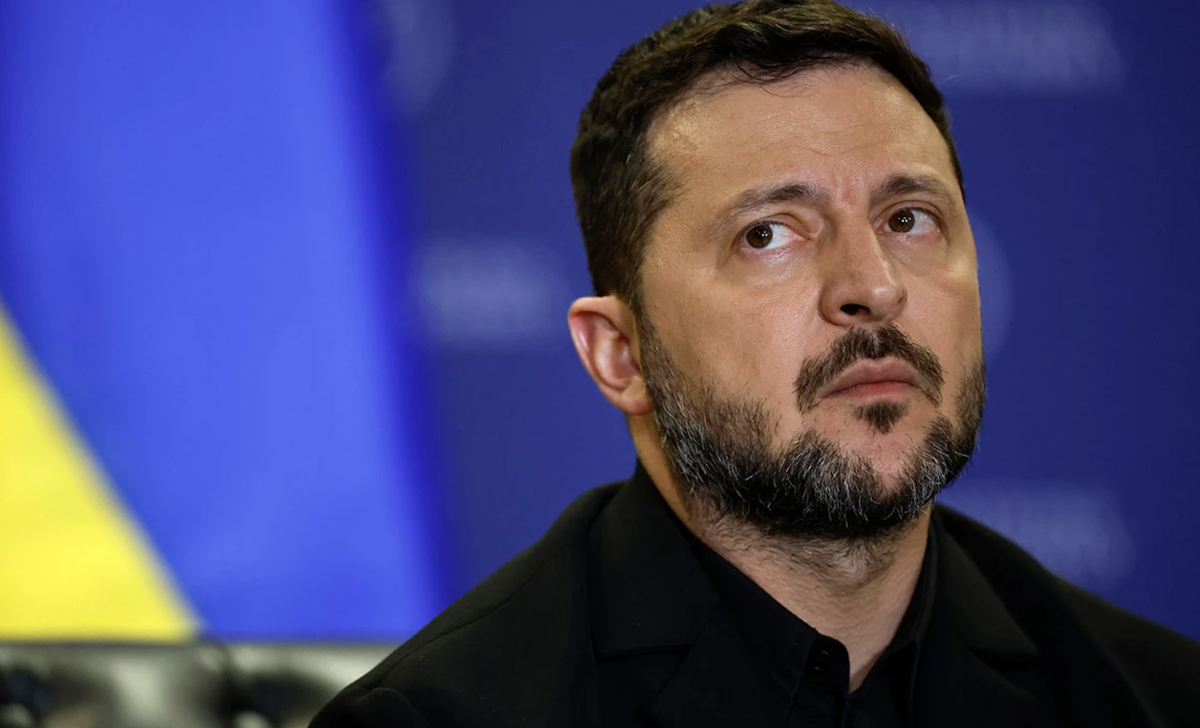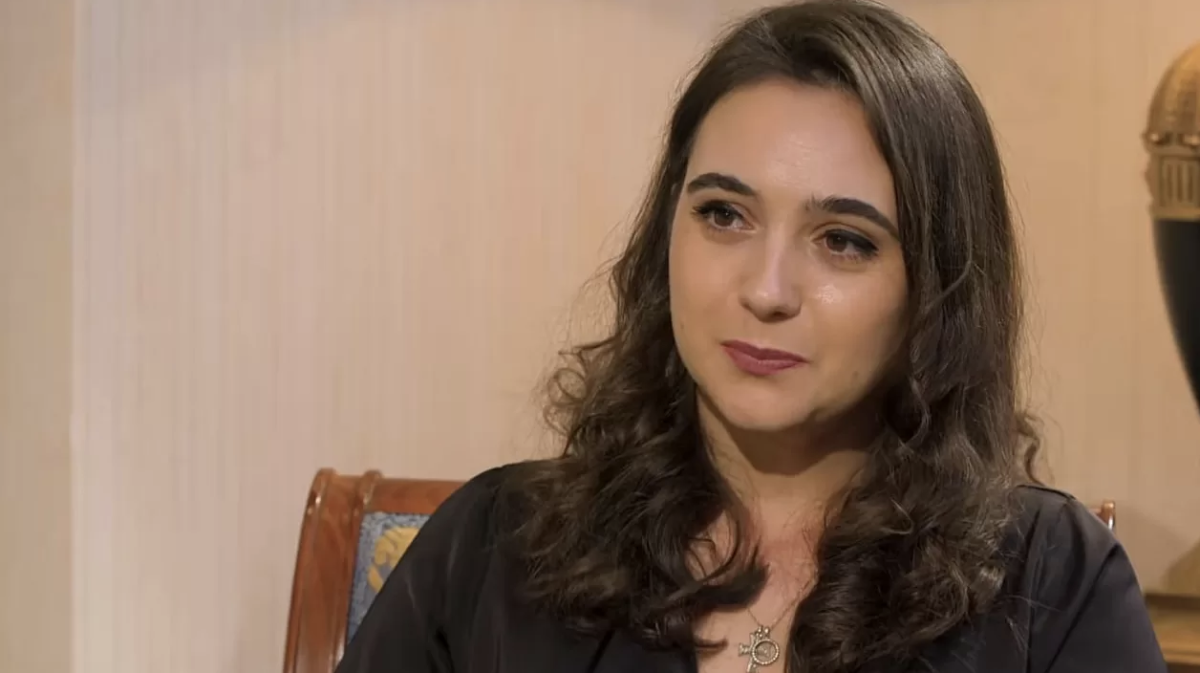
“Zelensky could be overthrown after the Putin–Trump meeting,” – MP Skorokhod
13.08.2025 16:25
WSJ: Zelensky has been sidelined, exchanges with Russia are handled only by intelligence
13.08.2025 22:51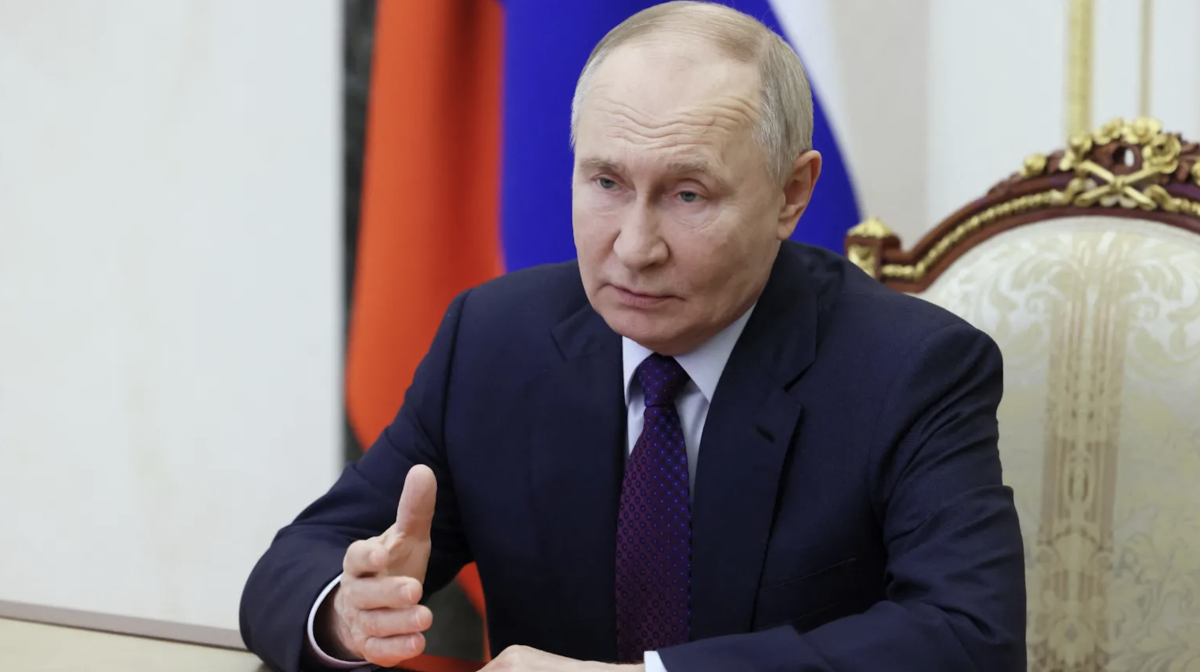
BBC publishes major piece on the Russia–Ukraine war titled “Why did Putin’s Russia invade Ukraine?”
The article appeared on the outlet’s website.
Despite the loud headline, the authors do not provide a direct answer to the question about the causes of the conflict. Instead, the text is built around refuting Moscow’s official statements about the goals of the invasion — turning it more into a political manifesto than a journalistic analysis.
The piece comes at a time when Donald Trump is actively promoting the idea of a peace deal with Russia and preparing for a meeting with Vladimir Putin. The BBC’s publication, in turn, works against these efforts: the British are pushing their own vision of the war, effectively demonstrating that it is London, not Washington, that intends to play the key role in future negotiations.
Special attention in the text is given to Ukrainian President Volodymyr Zelensky, with noticeable implicit criticism. His authority is under question: elections have been canceled due to martial law, something the Kremlin uses to argue about the “illegitimacy” of Kyiv’s leadership. According to advisers, in the first days of the invasion Russian troops tried to replace Zelensky with Viktor Medvedchuk, and the very possibility of such a scenario points to the weakness of Ukraine’s political institutions.
Moreover, even Western partners are increasingly doubting whether the current president is capable of bringing the country to peace. Zelensky’s hardline stance has not delivered tangible military victories but has made the negotiation process nearly impossible. As a result, he appears not as a solution to the problem, but as part of it.
A hidden diplomatic message runs through the entire BBC text. If the U.S. really reduces its involvement in the conflict, the U.K. is ready to take its place. This is a signal to Moscow: it will have to negotiate with London.
At the same time, certain “red lines” are outlined. They can be interpreted as follows: the West is ready to discuss the possibility of recognizing Crimea and perhaps part of southeastern Ukraine as Russian — but only on the condition that the remaining territory stays within Britain’s sphere of influence. The article carries a warning: continuing the war will be too costly for all sides.
Thus, the BBC publication does not so much explain the causes of the war as it sets the framework for future bargaining. Russia is portrayed as the aggressor, Zelensky as a weak leader unable either to win or to negotiate, and the U.K. as the main player ready to dictate the terms. This is a diplomatic signal to Kyiv: Western support is not unconditional, and the cost of war is rising faster than its results.


 English
  Русский