Germany calls Putin’s invitation to G20 a “litmus test” for Russia’s readiness for peace
30.09.2026 13:01
Nord Stream bombing suspect requests asylum in Croatia
30.09.2026 18:01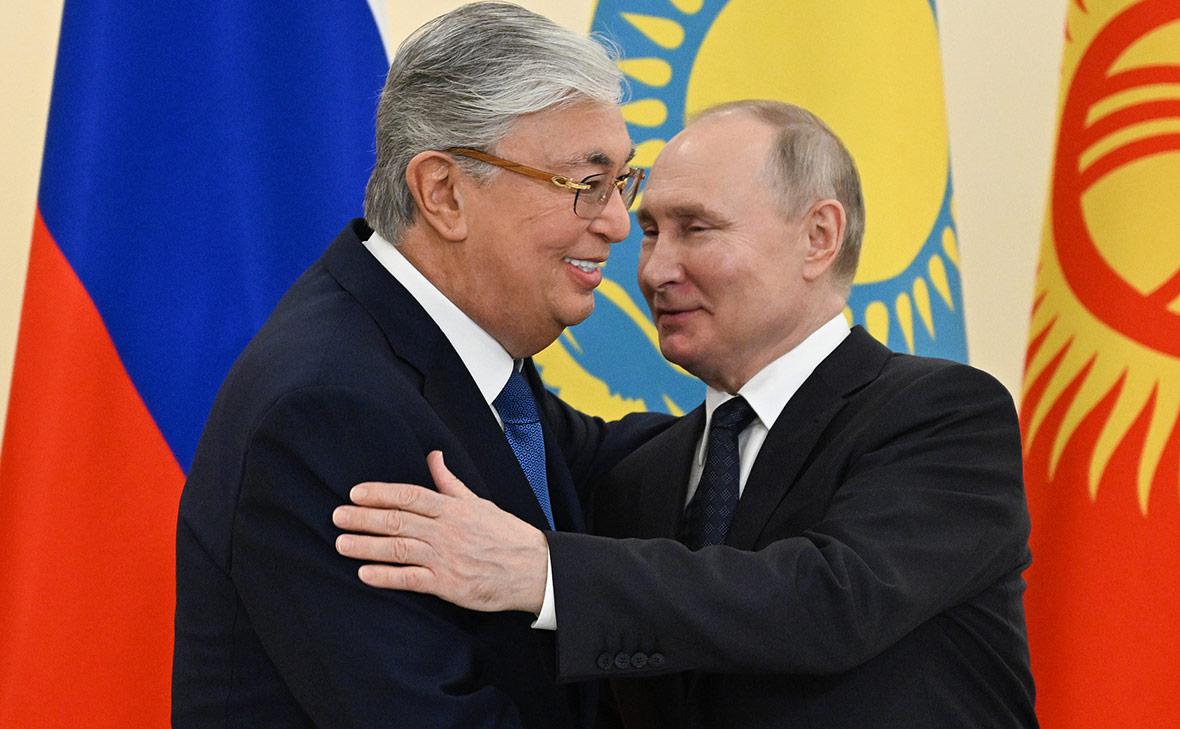
Kazakh President Kassym-Jomart Tokayev called Vladimir Putin an “outstanding statesman” while simultaneously urging a freeze of hostilities in Ukraine as a first step toward negotiations.
The remarks came at a joint press conference with German Chancellor Friedrich Merz in Berlin.
Speaking before journalists, Tokayev struck a carefully calibrated tone, combining praise for the Russian leader with a reminder of the principles of territorial integrity enshrined in the UN Charter.
“I have a very good relationship with President Putin. I consider him, one might say, an outstanding statesman,” Tokayev said, adding that he was “grateful” to Putin for his understanding of Kazakhstan’s position on the war.
According to the Kazakh president, Putin possesses “the qualities necessary for the leader of a large state with a complex history and its own understanding of the strategic goals facing the country.”
At the same time, Tokayev made clear that Astana respects Ukraine’s sovereignty. “From the very beginning we have said that we hold the Ukrainian people, their history, culture, traditions, and of course the Ukrainian language in high regard,” he stressed. “Whatever happens on the territory of Ukraine, we will always remember that both Russia and Ukraine are our good friends,” the president added.
Tokayev acknowledged that an immediate end to the war would be “somewhat unrealistic” under current conditions, and proposed a freeze on hostilities as an intermediate step.
“I spoke about freezing the hostilities on the territory of Ukraine in order to create conditions for a transition to a diplomatic or any other format of a negotiating process,” he said.
The statement echoes a similar call Tokayev made in July at a meeting with Putin in Omsk, where he said he did not understand the reasons for the conflict and advocated for a freeze based on the Istanbul agreements.
Kazakhstan’s diplomatic position is shaped by geographic and demographic constraints: the country shares a border with Russia stretching 7,597 kilometers, and its population includes approximately 2.7 million ethnic Russians. The remarks in Berlin underscored Astana’s desire to maintain relations with Moscow without alienating Western partners or retreating from the principle of sovereignty — a line Kazakhstan has held since the start of the full-scale invasion in 2022.


 English
  Русский