

Vance: US opposes new Ukrainian Armed Forces offensives and insists on defense
06.07.2026 05:03
Poland does not understand what U.S. presence will look like after Trump’s contradictory statements
06.07.2026 06:05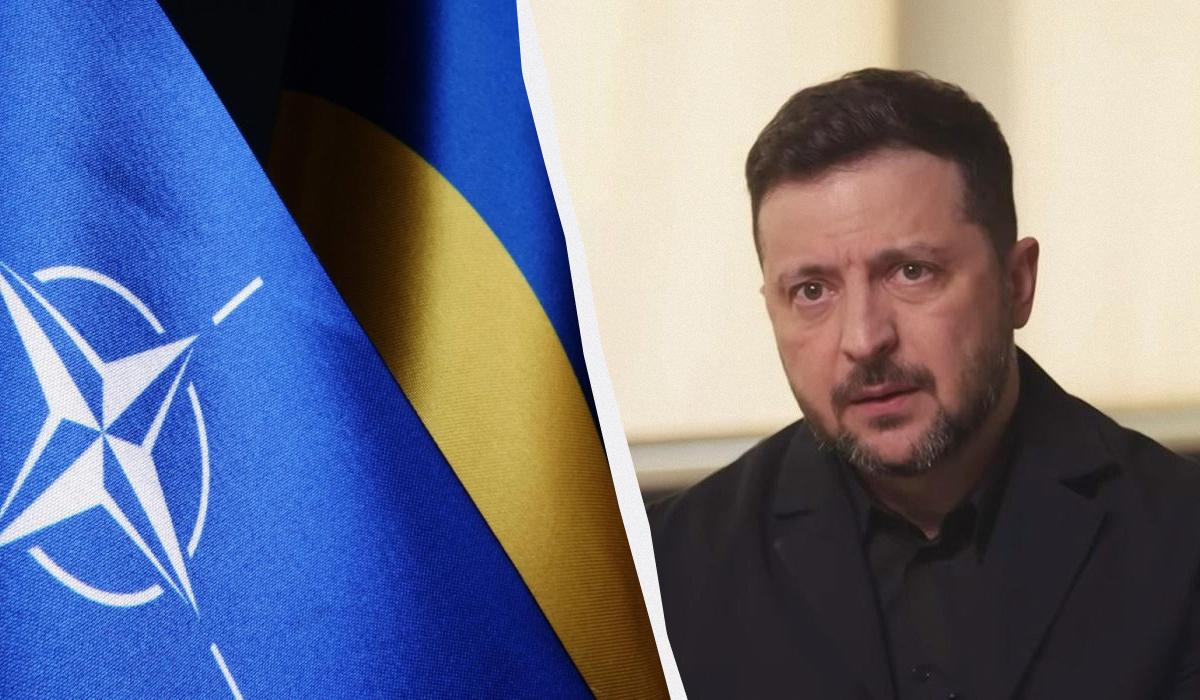
The Ukrainian issue is being deliberately pushed to the background at the NATO summit in Ankara, and Volodymyr Zelensky will not be delivering a speech to alliance leaders — unlike in previous years.
This is reported by The Telegraph columnist Owen Matthews.
In Matthews’s assessment, alliance leaders are facing an assault on three fronts simultaneously: unity, resolve, and security. The first blow was struck by Donald Trump, who has begun withdrawing troops, weapons, and funding from Europe. The second is the deepening rift within the alliance over financing Ukraine’s military effort. The third is a direct threat from Russia, which is reportedly planning a “provocation” against Poland.
“Unlike at the start of the war, this year Zelensky is asking not for weapons but for money… But money — not only to wage the war but also to support Ukraine’s shattered economy — is catastrophically short,” Matthews notes.
Goodwill from a number of Kyiv’s allies is also waning. Polish Prime Minister Donald Tusk said he had instructed his defense and foreign ministers to “be cautious about any statements on further financial support from Poland” for Ukraine and to focus on funding Warsaw’s own military spending. Slovak Prime Minister Robert Fico refused to back NATO’s plans to provide large-scale financial and military aid at the summit, saying that “Slovakia will not pay for Ukraine’s military expenses.” Czech Prime Minister Andrej Babiš ruled out supporting an EU loan to Ukraine worth EUR 90 billion and blocked the export of Czech light aircraft to Kyiv. Hungary’s new Prime Minister Péter Magyar also ruled out arming Ukraine.
On paper, NATO members were supposed to allocate EUR 70 billion in military aid to Ukraine for 2026 and “at least an equivalent level” of support in 2027. However, in Matthews’s assessment, this sum largely represents a redistribution of existing funds rather than new money: the EUR 70 billion combines the existing annual NATO commitment with funding provided under the EU loan, with no new commitments.
A separate negative signal for Zelensky was the decision to bar him from the summit’s main session on the second day.
“Instead, the alliance has decided to keep Zelensky and the entire Ukrainian question to one side, for fear of upsetting Trump,” the analyst writes.
Matthews concludes that alliance unity is crumbling, and with it the support Ukraine needs to continue resisting Russia’s offensive.
Nevertheless, according to Reuters, Trump will still meet with Zelensky during his visit to Turkey. The American president is due to arrive at the summit on Tuesday, July 7. His first meeting is scheduled with Turkish President Tayyip Erdoğan; also on the agenda are a meeting with Syrian President Ahmed al-Sharaa and a press conference. A senior American official who briefed journalists on the trip on condition of anonymity said that Trump’s meeting with Zelensky would take place on Wednesday, July 8, and would focus on discussing “how we can end the war.”

 English
  Русский