Dragon Capital cuts Ukraine GDP growth forecast for 2026 to 1%
06.08.2026 13:09
Lithuania launches production of Ukrainian drones on its territory
06.08.2026 15:02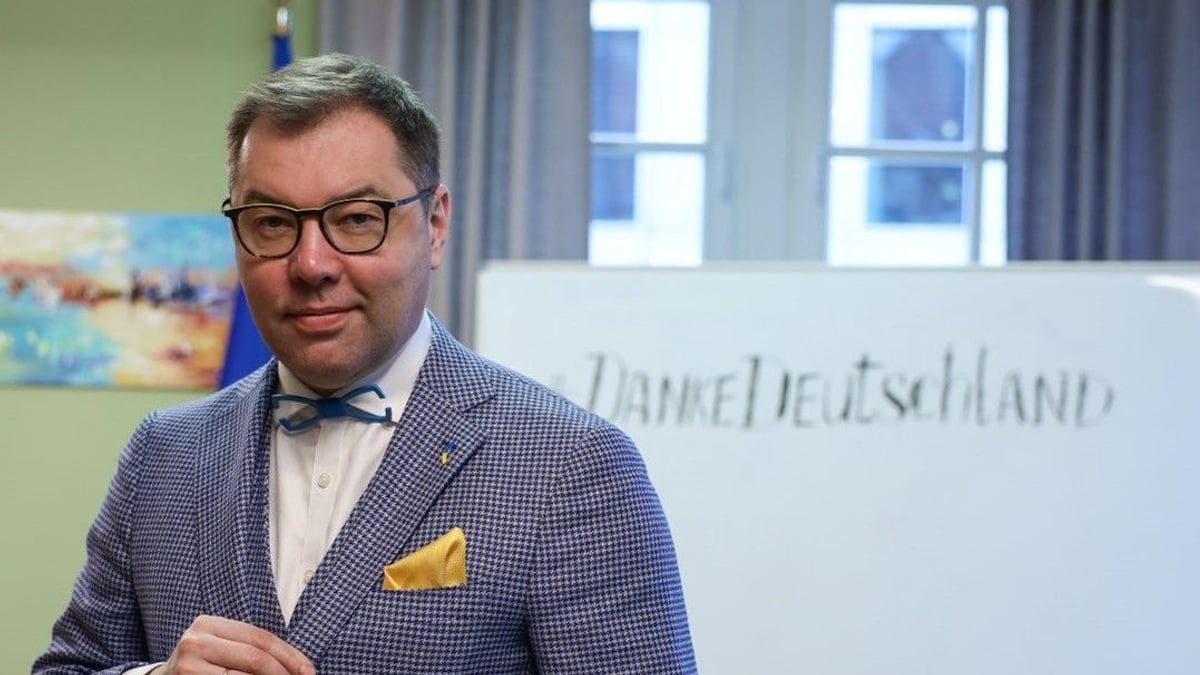
Ukraine’s ambassador to Germany, Oleksiy Makeiev, sparked a diplomatic scandal by stating in an interview that a number of German parties receive “directives from Moscow” every morning.
Politicians from across the political spectrum accused him of interfering in the country’s internal affairs — on the eve of three regional elections scheduled for September.
The interview, published by Die Welt on August 3, contained Makeiev’s claim that there are parties in Germany “both on the right and on the left” that appear to follow Moscow’s line. When asked whether he meant the far-right Alternative for Germany, the left-wing Sara Wagenknecht Alliance, and Die Linke, the ambassador urged voters to think about “whose interests” these parties ultimately serve, adding that he wants “democrats to win, not autocrats.”
The remarks came amid a charged political atmosphere. In September, regional elections are due to be held in three federal states — Saxony-Anhalt, Mecklenburg-Vorpommern, and Berlin. In all three, the AfD is leading in polls, and in Saxony-Anhalt the party is consistently polling above 40 percent, putting it on the threshold of forming a regional government for the first time in its history.
The founder of the Sahra Wagenknecht Alliance (BSW), Sahra Wagenknecht, accused Makeiev of having “lost all sense of proportion.”
“If Ukraine was able to blow up Germany’s most important energy pipeline without any consequences, then it is also entitled to openly interfere in our elections,” she wrote on X.
Her party colleague Sevim Dağdelen called the ambassador’s remarks “interference, not diplomacy” and said that a German government “with any remaining self-respect” should have summoned him to the foreign ministry. Bundestag member for the AfD Markus Frohnmaier stated that his party does not receive or accept any directives from Moscow, accusing the ambassador of using his diplomatic post for political purposes. Conservative commentator Peter Borbe called Makeiev a purveyor of conspiracy theories and noted that in most other countries such statements would have prompted an official diplomatic démarche.
The scandal erupted against a backdrop of growing tensions over Germany’s foreign policy course. Both the AfD and BSW are calling on the country to halt weapons deliveries to Ukraine and move toward peace negotiations with Russia. Shortly before this, BSW unveiled a campaign poster for Saxony-Anhalt featuring an AI-generated image of Ukrainian President Volodymyr Zelensky reaching for flying euro banknotes alongside Chancellor Friedrich Merz and European Commission President Ursula von der Leyen, under the slogan “Stop, fraud!”
This is not the first time Makeiev has intervened in German political debate. In June, he told the German editorial network RND that he was concerned about the AfD’s high poll ratings and its ties to Russia, adding that he “does not maintain contacts with undemocratic parties.” Germany’s domestic intelligence service, for its part, has warned of an “extremely serious” risk of Russian interference in the 2026 federal state elections.


 English
  Русский