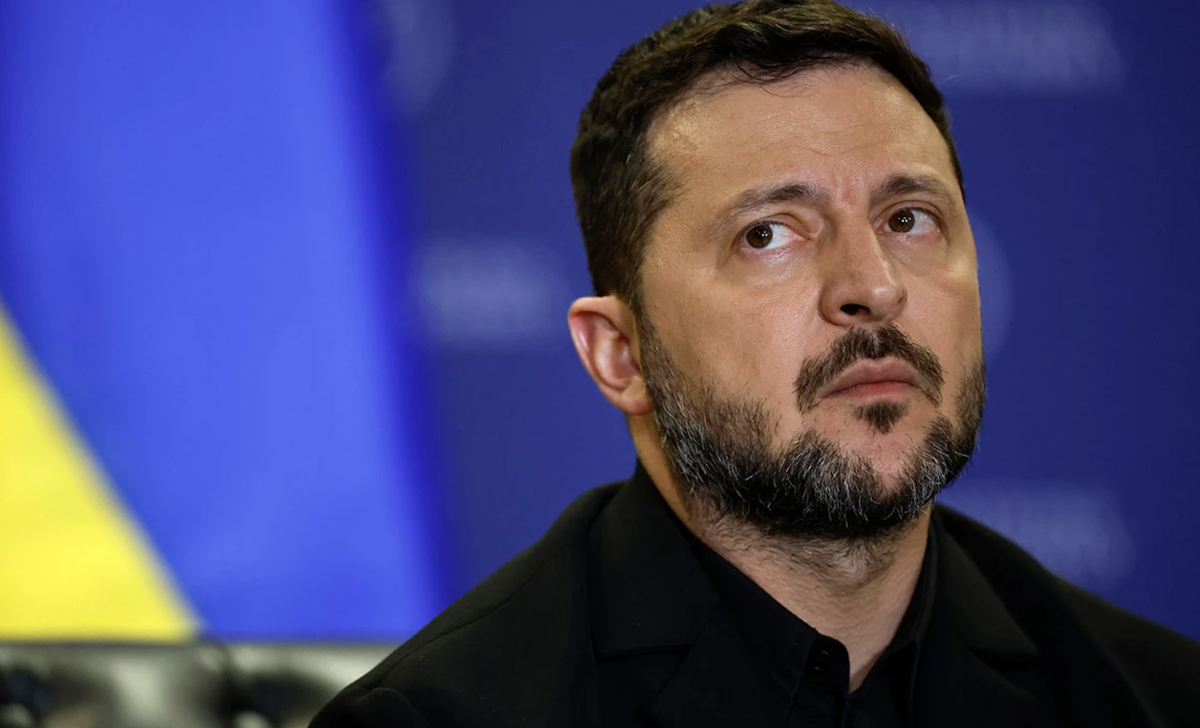
In the EU, there is hope that the loan to Ukraine can be unblocked after the elections in Hungary
08.04.2026 10:41
Ukraine is experiencing a serious pork shortage due to an outbreak of African swine fever
08.04.2026 12:35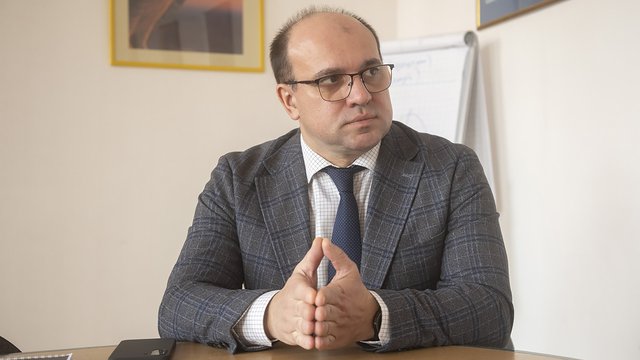
Ukraine’s Ministry of Education has for several years no longer required participation in international conferences, yet Ukrainian researchers still spend millions each year on this kind of imitation.
This was stated by Deputy Minister of Education and Science Denys Kurbatov.
“For a long time, I have not been able to find an answer to the question: why do some staff members buy certificates of ‘participation’ in ‘international’ conferences? In the Ministry’s metrics — at least in science — this has definitely not existed for a long time. It is also not directly required in licensing conditions, and even the clause on popular science publications could hardly have caused such a flood of ‘conference abstracts,’ especially since there is no requirement there for them to be international,” Kurbatov wrote on Facebook.
He also cited data from a study on the issue, which analyzed 701 conferences and more than 46,000 abstracts over a single year.
In particular 95% of the abstracts were submitted by Ukrainian authors, despite the “foreign” status of the events; 81.4% of the papers in international proceedings were written in Ukrainian; manipulations aimed at inflating Hirsch indexes were recorded (including an example of growth to 88 in Google Scholar through self-citation in abstracts); over the course of a year, Ukrainian researchers spent at least 12.4 million hryvnias on this kind of imitation.
“Although the Ministry has not required this kind of activity in the regulatory framework for several years, most likely either internal university rankings continue to stimulate this demand, or there is something else behind it that is not immediately visible,” the deputy minister added.
Kurbatov noted that there are, of course, good conferences.
“But whether they should be counted in performance indicators is another question, because determining the degree of their ‘quality’ is very problematic,” he said.
As previously reported, the Ministry of Education and Science earlier introduced a Commission on Publication Ethics, which will operate according to the standards of the relevant international Committee on Publication Ethics. Legislation also introduced the concept of “predatory publications” — journals that encourage misconduct and may sell placement for articles, sell citations, or sell publications themselves.


 English
  Русский