

Mobilized man with disability sentenced to life in prison for shooting two instructors in Chernihiv
12.06.2026 12:06
Medvedev promises to “teach Europe a lesson about life”
12.06.2026 14:03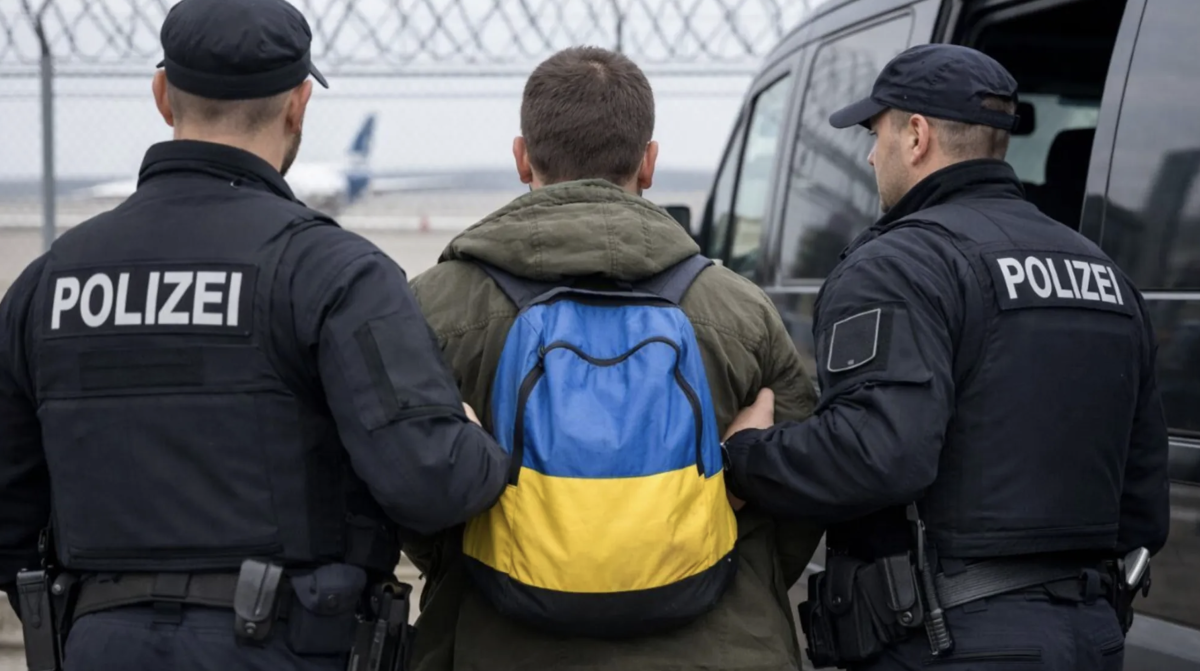
Verkhovna Rada MP and deputy chairman of the parliamentary committee on national security, defense, and intelligence Yehor Chernev has stated that existing mechanisms allow for the deportation of Ukrainian men from abroad only on specific grounds — in particular, for criminal offenses.
He made the statement on the air of Novyny.LIVE.
“Since they are simply of draft age and Ukrainian by nationality, they cannot be deported. This is contrary to international law,” Chernev said.
Commenting on the possibility of cutting financial assistance to military-age Ukrainians abroad, the MP expressed doubt that such a measure would serve as an incentive to return home. According to him, each country independently decides how to distribute assistance among all segments of the population, including refugees from Ukraine.
“They will look for work, they will settle in, they will integrate without this financial assistance from the state. But it is unlikely to become an incentive to return. Whether they have been there since the beginning of the war, or crossed the border somehow in the middle of the war. Or there is even the category of people who were there before the war began and did not break the law. They have been living there for many years, long before the start of the full-scale invasion, so to speak. So here I doubt that this will have any real effect on the return of our men,” Chernev stressed.
The topic of deporting Ukrainian men of draft age is being discussed against the backdrop of the EU considering an option to restrict the provision of temporary protection for this category of citizens. The current temporary protection mechanism is in place until March 2027. The stated goal of the possible restrictions is to strengthen Ukraine’s defense capability.
Earlier, MP Ruslan Horbenko had spoken of isolated recorded cases of the forced return of Ukrainian men of draft age from EU countries. He noted that the tools to implement such an approach exist, but that for them to be applied, each European country must pass the relevant laws.

 English
  Русский