
A Trump-linked official visited the St. Petersburg forum and passed Putin “warm greetings”
18.08.2026 14:05
ECB warns: rising defense spending in the eurozone could fuel inflation
18.08.2026 16:09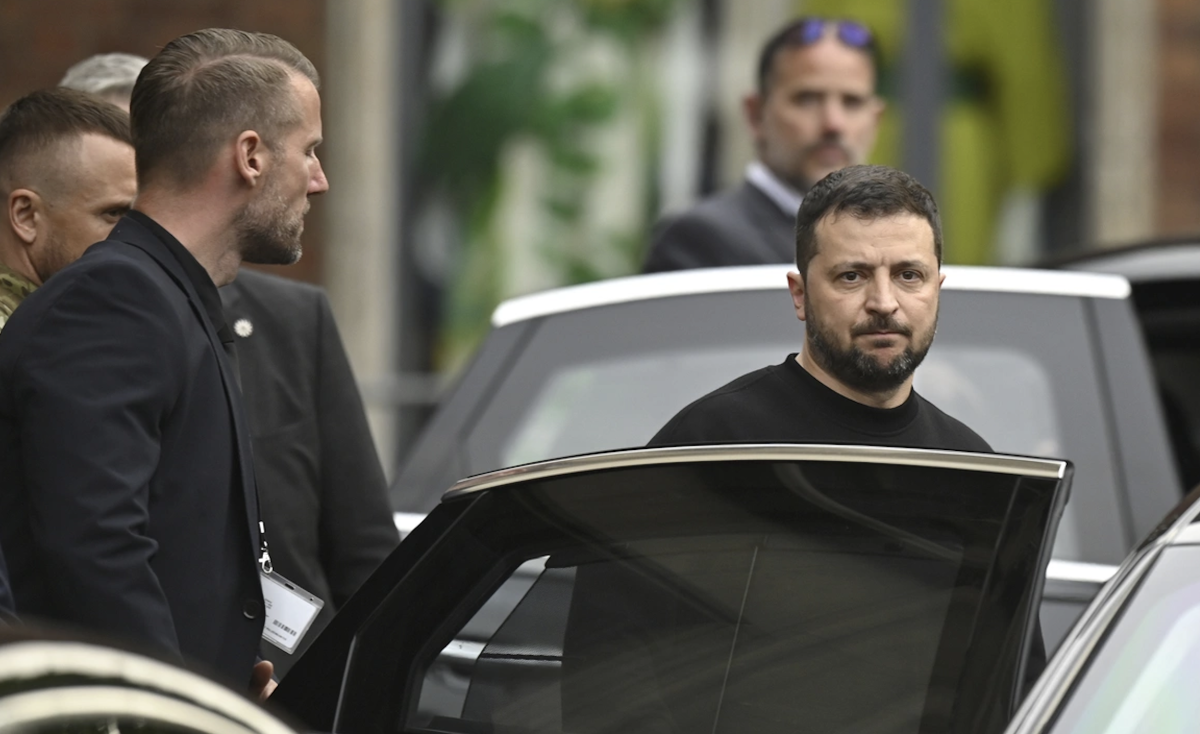
Ukrainian President Volodymyr Zelensky said that Russia continues to receive components critical to its military-industrial complex from G7 countries, and called on partners to impose new restrictions to cut off these supply channels.
In his evening video address on August 17, Zelensky said that Ukraine had conducted joint work with intelligence agencies, the Ministry of Foreign Affairs, and special services to determine when and from which partners new sanctions packages capable of limiting Russia’s military potential could be expected.
“A number of components critical to Russian aggression are still being supplied to Russia even from G7 member states, which clearly have no interest in either prolonging Putin’s war or in increasing the scale of strikes,” Zelensky said.
The Ukrainian president stressed that Kyiv had identified priority areas for pressuring Russian military resources and established expected timelines for new sanctions decisions by individual partner countries. According to him, “all our partners must understand what depends on them and how each sanctions step brings peace closer and saves lives.”
On the same day in Brussels, momentum grew in favor of a sweeping new package of restrictive measures. EU foreign policy chief Kaja Kallas told the German newspaper Die Welt that she would propose “the broadest sanctions lists since the start of the war” this autumn. Once adopted, the measures would increase the total number of sanctioned Russian entities by one third.
EU diplomatic sources told Reuters that the European External Action Service intends to propose imposing restrictions on approximately 1,600 individuals and legal entities, the majority of whom are linked to Russia’s military-industrial complex. The proposals are planned to be presented to EU ambassadors in early September, with adoption scheduled for October. The package includes travel bans, transaction restrictions, and asset freezes. Since the start of Russia’s full-scale invasion in February 2022, the EU has already imposed sanctions on nearly 3,000 individuals and companies.
The new package was preceded by the G7 summit in France in June, at which leaders unanimously agreed to pressure Moscow into negotiations through sanctions, as well as an EU sanctions package in July targeting Russia’s banking sector and cryptocurrency networks.

 English
  Русский