CIA director Ratcliffe flies to Moscow — first visit since 2021
26.08.2026 16:03
SAPO prosecutor: Tymur Mindich, who is wanted, transferred the money for Halushchenko’s bail
26.08.2026 18:04
Ukrainian President Volodymyr Zelensky has outlined a timeframe during which diplomacy could bring the war to an end: from the G20 summit in December 2025 through to the end of summer 2027.
He made the statement in a conversation with journalists.
“We believe that this is currently the most active phase in which diplomacy can lead to an end to the war. That is the end of this year through to the end of summer 2027,” the Ukrainian leader explained.
The G20 summit is scheduled for December 14–15 in the United States. According to Zelensky, one of the ceasefire options currently being discussed with the US and Europe involves a mutual withdrawal of forces and the creation of a buffer free economic zone administered by a third party.
Zelensky also stated that Russia is not prepared to end the conflict without the withdrawal of the Ukrainian Armed Forces from Donbas. Kyiv, for its part, is open to discussing a halt to strikes on energy and agricultural infrastructure, but only on a reciprocal basis.
Deputy head of the Ukrainian president’s office Serhiy Kyslytsya had previously also declared Ukraine’s readiness for negotiations.
“We are ready to listen to the American side, to talk with the Russians, and to make the case for our arguments as to why this war must end,” he said.
Kyslytsya stressed that Kyiv is convinced of the American side’s ability to genuinely influence the pace of the negotiation process. According to him, Ukraine has already sent Washington a “plan on how to stop the war.” These peace initiatives exclude any territorial concessions and strictly comply with the country’s constitution.
On the Russian side, Federation Council Committee on International Affairs chairman Grigory Karasin told Gazeta.Ru that the moment has come in the dialogue between Russia and the US to “think about moving forward.” He noted the growing debate in Kyiv about Ukraine’s next steps within the conflict, adding that international contacts — with the US, the EU, and other partners — “are undoubtedly necessary and appropriate.” Karasin identified the main task as “working on realistic positions” so that the parties’ stances can be compared and areas of agreement identified.
Deputy chairman of the Federation Council’s Committee on International Affairs Vladimir Dzhabarov stressed that Russia is waiting for constructive ideas from Ukraine on resolving the crisis.
“We need to agree on a venue for holding negotiations, but not in a way where we suspend hostilities today and sit down at the negotiating table tomorrow for talks that will drag on for years. Negotiations must begin regardless of whether hostilities are continuing or not,” he explained.
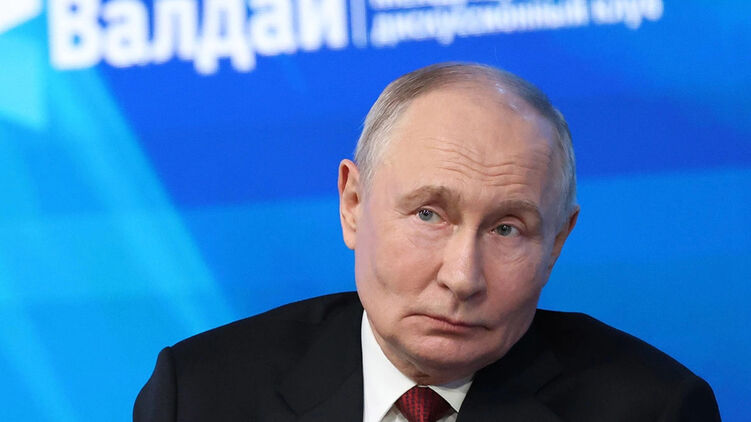
Russian President Vladimir Putin stated that the settlement proposals being conveyed to Moscow sometimes “have an exotic character and are unacceptable.” He clarified that Russia is ready for negotiations, but only on the basis of realities on the ground, and added that “it is premature to get ahead of ourselves and speak about what could form the basis of possible agreements.”


 English
  Русский