The judicial system may not withstand the increasing number of cases under consideration
15.03.2024 14:18
Macron doubts Trump’s chances of winning the elections
15.03.2024 14:36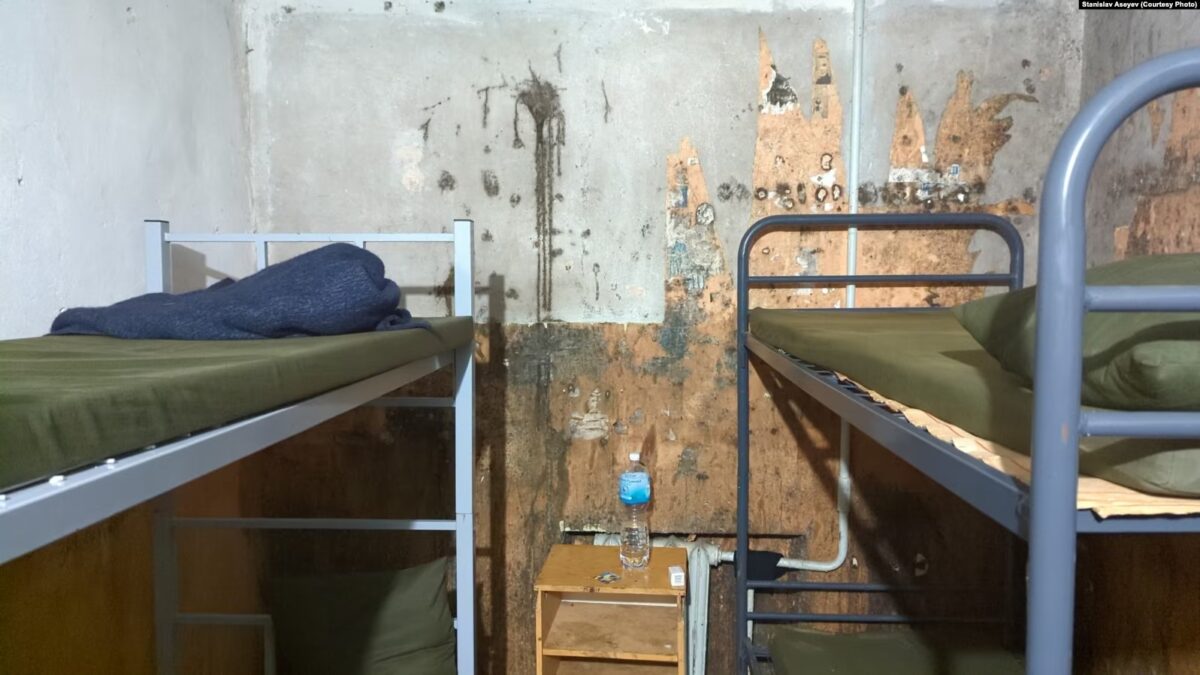
Soldiers describe Ukrainian military training facilities, where conscripts and volunteers are sent before deployment, as resembling “correctional labor camps” more than educational institutions. This viewpoint was expressed by Ukrainian journalist and activist Stanislav Aseyev, who had firsthand experience of captivity in Russia. According to him, upon arrival at these centers, recruits may undergo minimal training, if any, for up to a month, and may not even receive basic equipment like rifles.
Aseyev describes the conditions at these centers as highly unfavorable, with mold, fungus and dampness prevalent, along with a high number of sick individuals being treated with inadequate medication. Instead of receiving military instruction, new recruits often find themselves engaged in menial tasks such as garbage collection, wood chopping and pallet sorting. Command responses to inquiries about the lack of training typically cite a lack of orders to commence instruction.
For Aseyev’s group, training never began at the initial center, leading them to be transferred to a second one, where conditions were only marginally better, resembling a full-fledged correctional facility. Recruits faced long workdays involving manual labor, leading to cynical remarks among them about their readiness for combat. The overall atmosphere, according to Aseyev, bore more resemblance to a youth camp rather than a place preparing individuals for the rigors of military service. Moreover, the presence of former convicts and deserters further undermined any sense of purpose or camaraderie among the trainees. Many recruits were found to have serious medical conditions, further complicating their ability to undergo training effectively.
Even homeless individuals, conscripted into service, were subjected to these harsh conditions, with the military neglecting their health needs. This treatment led Aseyev to question why individuals would want to endure such conditions, suggesting that many were increasingly disillusioned with the prospect of military service. In summary, Aseyev’s account paints a picture of Ukrainian military training facilities as poorly managed, unsanitary and ineffective at adequately preparing recruits for their military duties. This ultimately contributes to a growing reluctance among individuals to participate in military service.


 English
  Русский